Your history. Your inbox.
7 uniquely curated newsletters to choose from.


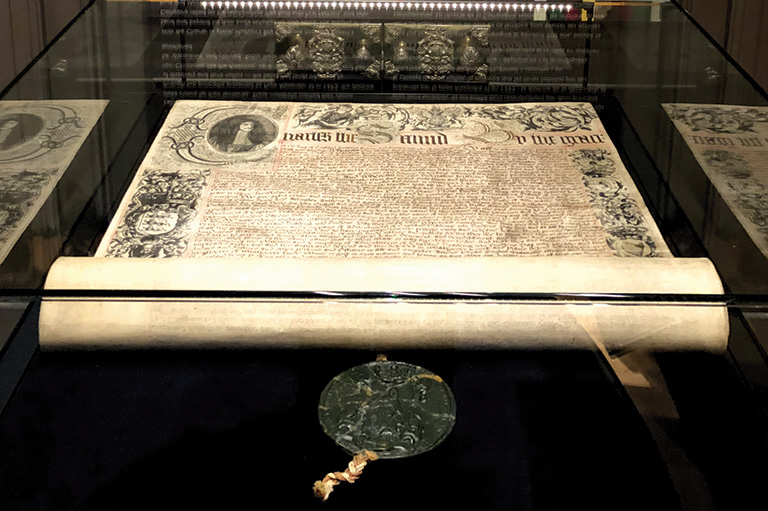
In April 2025, the 355-year-old Hudson’s Bay Company was sinking into bankruptcy, its properties liquidated, its subsidiaries sold off and its remaining assets being cleared out at bargain prices. One detail of the death spiral made headlines across Canada: “Hudson’s Bay to put the royal charter on the auction block.”
Could the retail giant really auction away this “crown jewel,” this “holy grail,” King Charles II’s Royal Charter of 1670, which created the Governor and Company of Adventurers of England trading into Hudson’s Bay? Yes, it could. And might some deep-pocketed private collectors seize the prize when the auctioneer’s gavel came down? Yes, they might.
Then, a rescue was announced. Last November, as the auction of HBC’s final assets loomed, the charitable foundations of two of Canada’s wealthiest families, the Westons and the Thomsons, announced a joint bid for the charter so large that it deterred all competition: $18 million.

With 7 uniquely curated newsletters to choose from, we have something for everyone.
They weren’t bidding for themselves. The Westons and the Thomsons promised to donate the charter into the shared custody of four distinguished Canadian cultural agencies: the Manitoba Museum, the Archives of Manitoba, the Royal Ontario Museum and the Canadian Museum of History.
With additional support from the Desmarais and Hennick families and an endorsement from the National Centre for Truth and Reconciliation in Winnipeg, the four cultural agencies also committed to work with First Nations, Inuit and Métis communities “to foster an understanding of the significance of the charter through the past and into the present and future.” The Hudson’s Bay Company Royal Charter of 1670 would at last be officially welcomed into Canada’s historical patrimony.
The donors declared Manitoba, the region once known as Rupert’s Land and long central to the history of HBC, would be the official home of the charter. Winnipeg, once briefly the company’s Canadian headquarters, would now be where the document lived. Though the charter had never been kept in Winnipeg before, this was like a homecoming.
Throughout these happy moments, questions arose that go to the meaning of Canada. Who should interpret the meanings of King Charles’ Royal Charter of 1670? What does it say to us and about us?
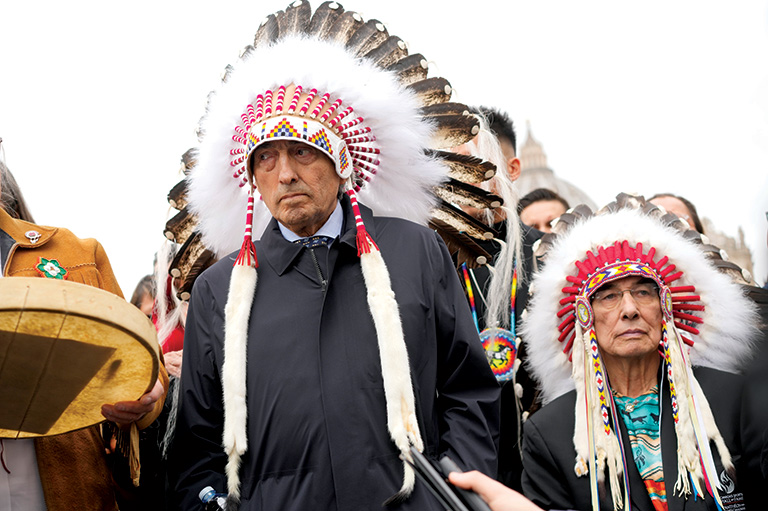
Phil Fontaine has strong views about the charter. Born on the Sagkeeng First Nation in Manitoba, Fontaine served three terms as National Chief of the Assembly of First Nations. He helped bring the evils of residential schools to public attention by revealing his own grim story, and he went to Rome to urge Pope Benedict XVI and Pope Francis to have the Catholic Church make amends for how it treated Indigenous Peoples. For Fontaine, the charter means, above all, the Doctrine of Discovery and terra nullius — “terra nullius” being the claim that European monarchs and explorers had a right to seize “empty land” without regard to its inhabitants. “I call it the land swindle,” says Fontaine, something granted to legitimize Indigenous dispossession. Who better than his people to use the charter to teach that lesson? Fontaine suggests that when HBC collapsed, the Canadian government should have stepped in to acquire the charter and entrust it to the First Nations for interpretation and display.
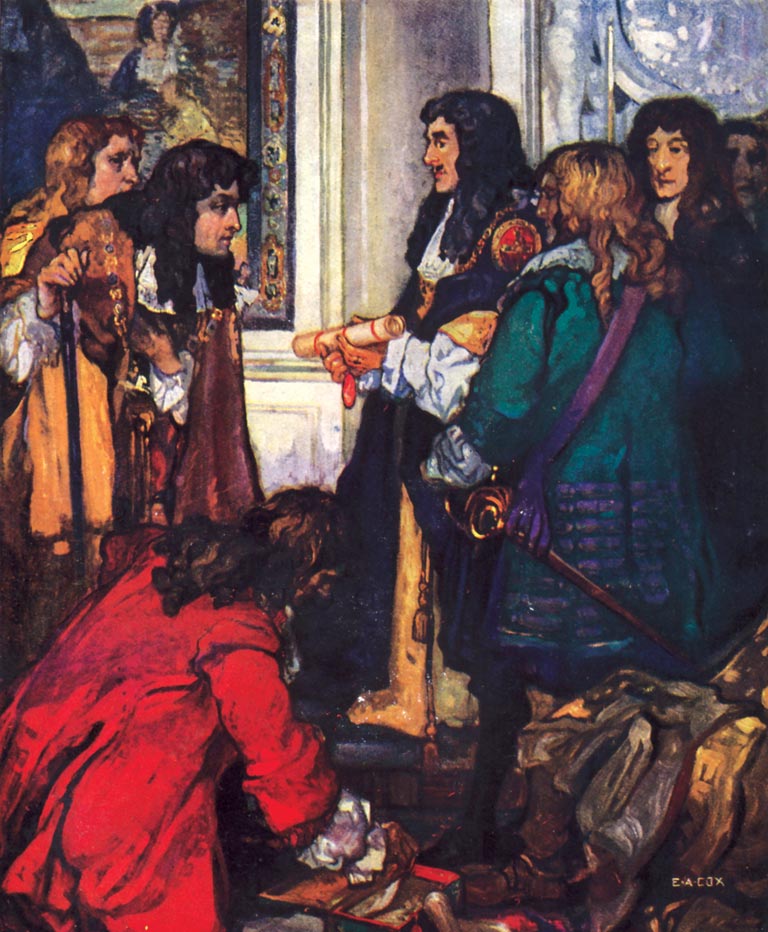
Fontaine is right about the charter’s profoundly colonial mandate. Its five pages and 6,600 words can still shock readers who decipher the document’s calligraphed text. In 1670, King Charles II gave perpetual and unlimited authority to the princes, dukes, earls and knights who governed HBC. Henceforth, all the territories around far-off Hudson Bay — 40 per cent of what would one day become Canada — would be called Rupert’s Land after Charles’ cousin Prince Rupert of the Rhine, first governor of the company, though he never saw North America. The company could build forts, import settlers, seek a sea passage to Asia, set up courts, raise armies, make war on non-Christian peoples they might encounter — and trade for beaver pelts.
Charles II was the last great autocrat to rule in Britain, an ally and protege of Europe’s greatest absolute monarch, France’s Louis XIV, “the Sun King” and builder of Versailles. The powers Charles authorized HBC to wield in Rupert’s Land mirrored those he felt entitled to wield over his own subjects, the people of Britain. Charles’ charter for HBC was a statement of a king’s unlimited power to shower benefits upon his favourites and impose his will on all others, at home and overseas.
Yet, Charles II’s autocratic plan went unfulfilled. Just 18 years after his seal was affixed to the HBC charter, his Stuart dynasty was overthrown and his heirs driven into exile under the protection of the French king. Henceforth, British monarchs would be subject to the will of Parliament. In 1690, Parliament demonstrated its new relationship with the Crown by enacting its own revisions to the HBC charter.
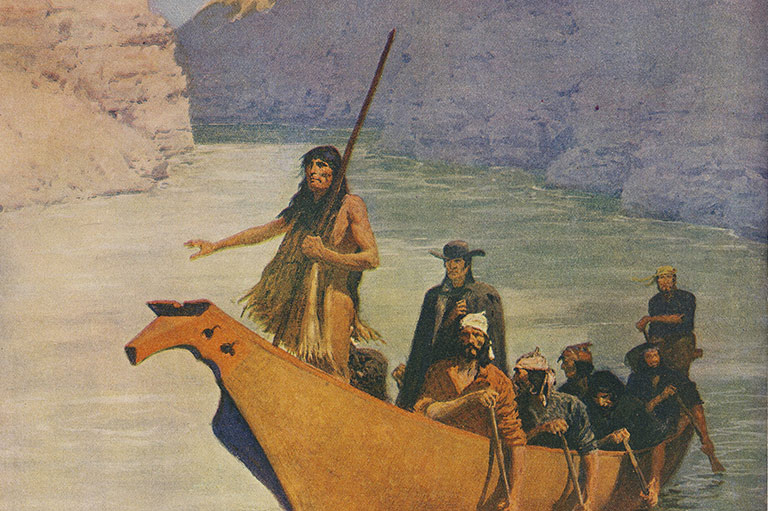
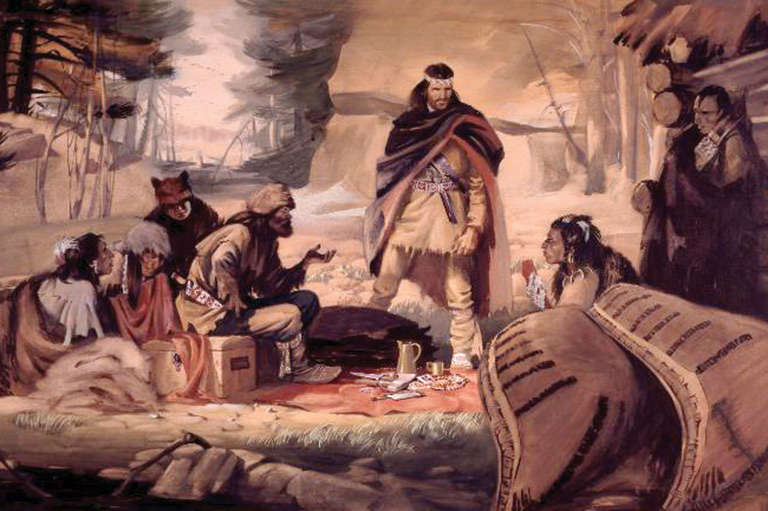
Charles II’s vision of absolute control went unfulfilled in Rupert’s Land, too. For a century and a half after 1670, the only part of the HBC project that thrived was its fur trade. The Indigenous Peoples were ready to do business. Indeed, Métis historian Olive Dickason suggested in a CBC Radio interview that it was the James Bay Cree who in effect founded HBC by showing the voyageurs Médard Chouart des Groseilliers and Pierre-Esprit Radisson the advantages of opening a sea route via Hudson Bay. The company needed the goodwill and expertise of the Indigenous partners who traded and transported furs in Rupert’s Land. When the company eventually moved inland, it was to sites the hunters and traders told them about. As independent peoples and traders, the Cree and other nations of the northwest sustained a cautious but often harmonious relationship with HBC’s envoys for a century and a half — meaning no armies, no wars against non-Christians and few European settlers in its territory for 150 years.
Since HBC could never prevent Indigenous traders from comparing HBC’s offerings against those of its competition in Montreal, even the royally sanctioned trade monopoly was a dead letter. Decades became centuries, and the 1670 charter, sitting in a locked iron chest at Hudson’s Bay House in London, was rarely looked at.
The charter was still being ignored in 1849, when Métis fur trader Pierre-Guillaume Sayer walked free from a Red River courtroom in what’s now Manitoba. He was to go unpunished for defying HBC’s fur trade monopoly. “Le commerce est libre!” he told a cheering crowd, which then fired gunshots into the air to celebrate. Sayer was a leader in the burgeoning Red River Métis community that now farmed, trapped, hunted and traded across Rupert’s Land without much regard for the supposed stranglehold the now-old charter had given to HBC.
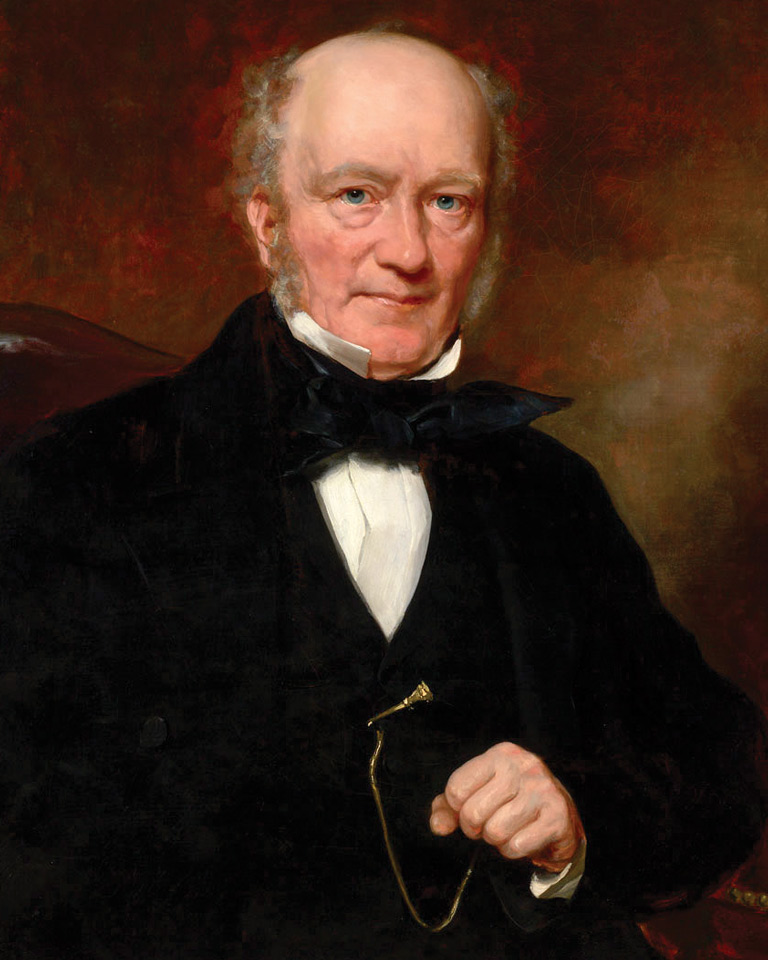
By letting Sayer go unpunished for defying its trade dominance, HBC was confirming it no longer had any will to defend its charter privileges. The company no longer needed this protection, anyway. Through absorbing its only important rival, the North West Company of Montreal, in 1821, HBC had secured a commercial monopoly rather than a charter-decreed one. Its hundreds of trading posts would eventually stretch from northwestern Quebec to the coast of British Columbia and from the American border to the islands of the high Arctic. The company could at last impose prices and conditions on its Indigenous partners. Under the leadership of George Simpson as governor-in-chief, it did so ruthlessly.
For HBC, the charter had become as much a nuisance as a protection. Once the Métis and Lord Selkirk’s Scottish colonists were established in the Red River heartland of HBC territory, the company faced the prospect of properly governing Rupert’s Land, which would now need courts, a council of representatives and the means to defend its territorial claims against the looming challenge of the expanding United States. With trading posts everywhere and a prospering business it dominated, governing was a burden the company neither wanted nor had the skills to manage.
In 1869, with the new Dominion of Canada committed to acquiring Rupert’s Land as part of its own master plan for expanding to the Pacific and the Arctic, the Hudson’s Bay Company yielded its rights to the Crown by signing a deed of surrender. At last, it became an ordinary business corporation.
HBC drove a hard bargain for all of its rights and titles. To secure the transfer of the territory, Canada paid the company £300,000, or almost $1.5 million in Canadian dollars. HBC also retained abundant land grants in the fertile regions being eyed for settlement. But when it surrendered its rights, the company held on to the 1670 charter document. For what it paid, Canada might have demanded the charter itself. But the document stayed in storage at London headquarters as HBC transformed itself into a land developer and a retail giant.
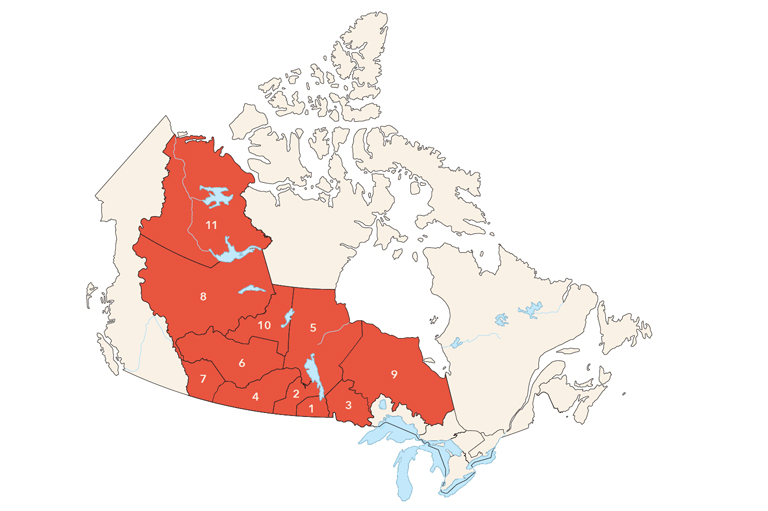
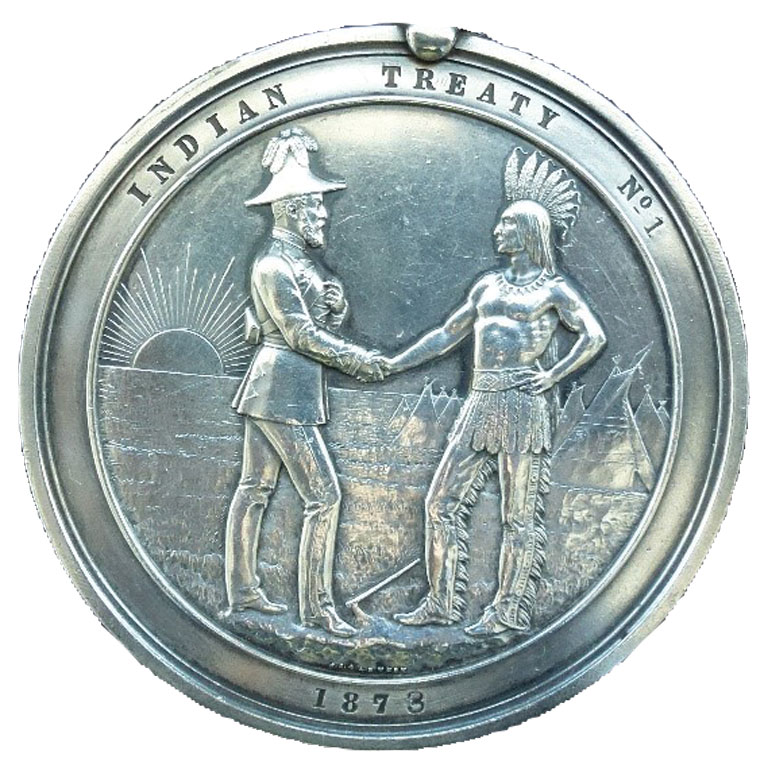
Meanwhile, Rupert’s Land had proven to be no easy acquisition for the new Canadian nation’s government. The Red River Métis refused to see themselves traded to Canada without being consulted. They took up arms to assert their rights as British subjects, leading to the creation of the Province of Manitoba in 1870 and a negotiation of Métis land titles. And since both the Royal Proclamation of 1763 and the British North America Act of 1867 stipulated that Indigenous land couldn’t pass to settler control without agreement between the Crown and First Nations, Canada was required to acknowledge Indigenous title across Rupert’s Land and enter treaty negotiations. In 1871, Canada and the Cree and Anishinaabe of southern Manitoba negotiated Treaty 1 at Lower Fort Garry, just north of Winnipeg. Over the next 50 years, 10 more treaties would cover the old Rupert’s Land territory and beyond.
Advertisement
In 1973, an HBC staff librarian and archivist named Shirlee Anne Smith left her Winnipeg home and moved temporarily to London. HBC had decided it would become a Canadian company and relocate its headquarters to Canada — and Smith’s assignment was to ensure that its historical treasure travelled safely. The company’s archival records, 300 years of testimony to its engagement with Indigenous Peoples, would keep her busy in England for a year before she returned to Winnipeg, along with about 18 tonnes of HBC documents. Manitoba and HBC had agreed that the company’s records would be deposited as a special collection on long-term loan to the Archives of Manitoba, at the heart of old Rupert’s Land.
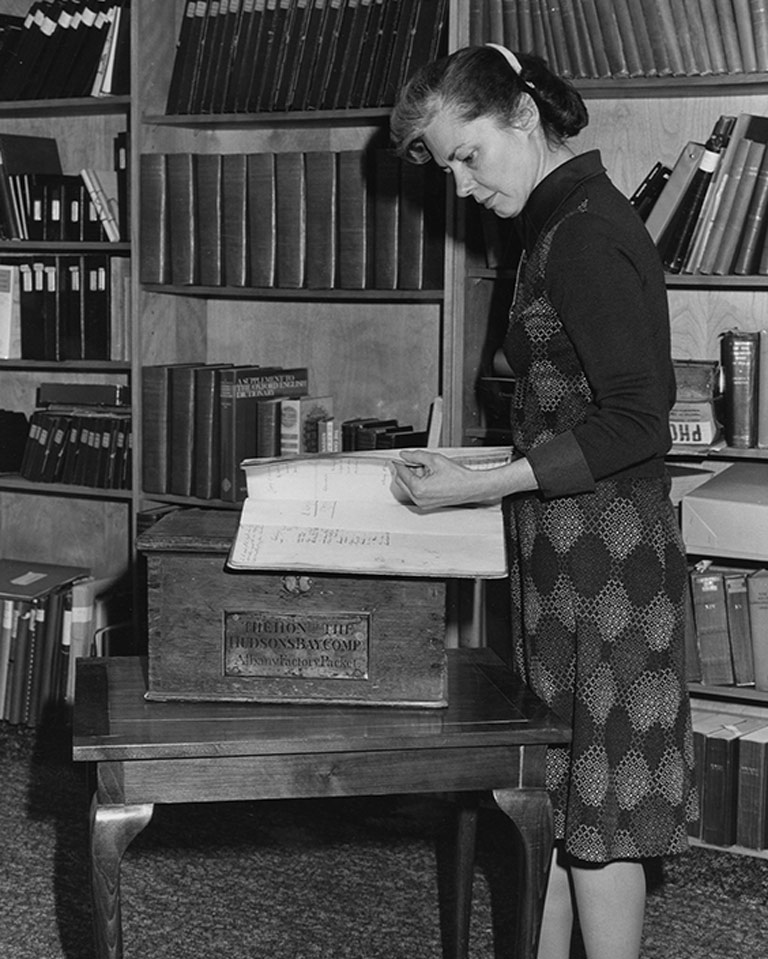
Smith served as keeper of the Hudson’s Bay records until her retirement in 1990, and the collection became a magnet for researchers, from anthropologists to historians to land-claims lawyers to Indigenous Elders. “No one knew more about the company’s operations than her,” said Judy Valenzuela, her successor as keeper. In 2007, UNESCO formally entered the collection into the “Memory of the World” register of globally significant archives.
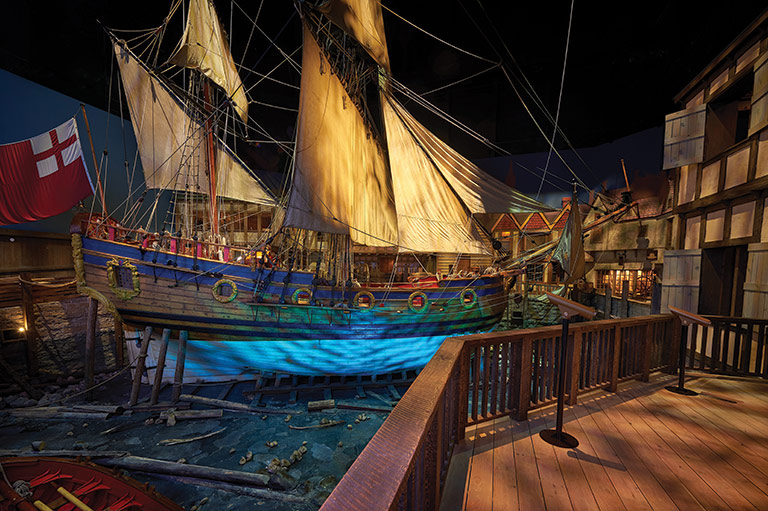
In the 1990s, Winnipeg lawyer Rolph Huband, a long-serving corporate secretary and vice-president of HBC, concluded it was time for the company to divest itself of its remaining historical collections — and in 1993, the HBC’s archival records became a permanent donation to the Archives of Manitoba. The Manitoba Museum, which already displayed HBC’s full-sized replica of its first trading vessel, the Nonsuch, now received the company’s 28,000-item collection of historical artifacts, five-sixths of which were Indigenous crafts and tools. Some had been featured in a museum the company had opened in 1920; they now became key attractions bringing many visitors to the expanded Manitoba Museum. These huge donations earned HBC a proportionately huge tax deduction, which the company put into a foundation to provide ongoing support for the preservation and display of the Winnipeg artifacts and archives.
And what about the charter? The company had decided in the 1970s, and again in 1993, that it would keep its founding document to itself. In 1974, as the HBC records (including nine supplemental charters) reached Manitoba, the original charter document was flown to Toronto, which had just replaced Winnipeg as HBC headquarters. There it lay in a high-tech sealed case way up in an office tower, securely protected against the ravages of time but seen by only a handful of company staff and their guests.
Why was this precious document full of such meaning not on display for all Canadians in one of our great institutions, like Champlain’s astrolabe, the Constitution Act of 1982 or Bill Reid’s sculpture The Raven and the First Men? Like Chief Phil Fontaine, who (as noted earlier) believes the charter and its interpretation should have been delegated to Indigenous Canadians, former governor general Ed Schreyer raised doubts about any Canadian having to pay for it now. Schreyer was premier of Manitoba when the Hudson’s Bay records were first deposited in the Archives of Manitoba; he recently said he recalls no exemption being made for the royal charter when the HBC archival loan agreement was negotiated in 1973. Was the charter perhaps already “ours”?
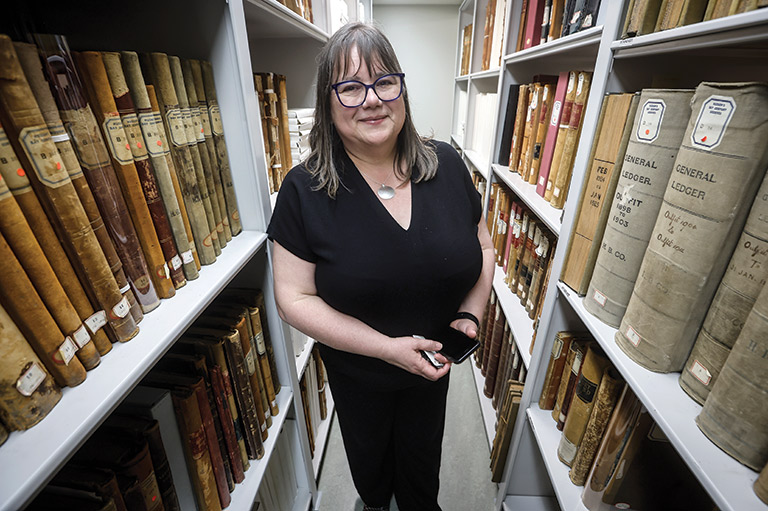
The diligent archivists at the Archives of Manitoba had reviewed the records when the auction loomed, and they recently noted: “The Archives of Manitoba can confirm that the HBC did not deposit the Royal Charter in 1973 nor donate it in 1993. The Charter is also not mentioned in either the 1973 deposit agreement or the 1993 donation agreement.” There was no Rolph Huband or Shirlee Anne Smith at the company in 2025, and in its time of crisis, its receivers were within their rights in securing what value they could for the creditors.
Why was the charter not on display for all Canadians?
What meaning should charter viewers find in it? The royal charter is unique testimony to a transformational moment in the long history of Canada; its significance hasn’t been extinguished by the demise of HBC. It documents an empire’s claim to appropriate the lands of the First Peoples of Canada without their consent. And title to land remains alive and contested in our national dialogue over the meaning and implementation of treaties between the Crown and First Nations.
Canada from 1871 on described the numbered treaties and other agreements with First Nations as “surrenders” and contended that they extinguished Indigenous title in all the territory they covered. Under the Indian Act of 1876, Canada began moving Indigenous Peoples who “made treaty” to small reserves, where Canadian Indian Agents could control economic activities, undermine Indigenous governments and ban cultural practices and ceremonies. The Royal Charter of 1670 no longer applied, but it was as if its unfulfilled claims to sovereign power over Indigenous Peoples had been transferred, not abandoned.
Save as much as 40% off the cover price! 4 issues per year as low as $29.95. Available in print and digital. Tariff-exempt!
Consistently, the Chiefs and Elders who put their marks on treaties insisted they had negotiated the treaties as sharing agreements, not surrenders, and had never agreed to yield their lands or their way of life. In recent decades, a tidal wave of scholarship, by Indigenous and non-Indigenous researchers alike, has confirmed that the official treaty texts filed in Ottawa may say “cede, yield, release, and surrender,” but at every treaty negotiation, Canada’s commissioners were obliged to promise “the land will always be yours,” “you may hunt and fish forever” and the reserves would be places “where no white man can bother you.” First Nations leaders remember those promises. When they speak of the need for treaty implementation, they mean sharing agreements, not surrenders.
The late Cree lawyer and writer Harold Johnson was born and raised in what the Royal Charter of 1670 called Rupert’s Land. In his book Two Families, Johnson declared that newcomers to Canada have a perfect right to be here. The treaties signed with his forefathers guarantee that. To validate that right, he added, all the newcomers must do is uphold the treaties. Perhaps in a future that includes treaty implementation, those who visit the royal charter wherever it’s displayed will know its imperial claims are finally in the past.
In the 1990s, the late Canadian art conservator Kenneth Lockwood was retained to ensure that the charter was properly maintained. How did he go about protecting this artifact written in centuries-old inks on animal-skin parchment from the ravages of time and temperature? The solution, he said in a 1997 interview, was to put it in a box with climate controls and a window — and to make sure it was very well sealed. This may not sound like rocket science, but in fact, it was. To secure his display case, Lockwood had consulted NASA, whose experience in protecting its astronauts from the vacuum of space had made them world leaders in the technology of keeping things sealed.
We hope you’ll help us continue to share fascinating stories about Canada’s past by making a donation to Canada’s History Society today.
We highlight our nation’s diverse past by telling stories that illuminate the people, places, and events that unite us as Canadians, and by making those stories accessible to everyone through our free online content.
We are a registered charity that depends on contributions from readers like you to share inspiring and informative stories with students and citizens of all ages — award-winning stories written by Canada’s top historians, authors, journalists, and history enthusiasts.
Any amount helps, or better yet, start a monthly donation today. Your support makes all the difference. Thank you!
Advertisement