Your history. Your inbox.
7 uniquely curated newsletters to choose from.


Efforts to add women to history curricula in Canada began in the 1960s and 1970s with the publication of new historical narratives by women historians. Their work was a springboard for change to history curriculum across Canada for the next 50 years. Canadian educational reformers demanded a more inclusive curricula that encompassed multiple diverse narratives, a demand that included gender equity. Feminist social historians examined issues related to immigration, economics, labour, race, and government policy. New publications brought forward new stories that found space in traditional history textbooks and school resources, albeit in sidebars or as supplementary paragraphs.
Over time, more stories emerged, and by the early 2000s, the voices and experiences of women become a standard, with new curricula across Canada reflecting their inclusion. However, the next 25 years did not see the development of lessons or new pedagogical strategies to support teachers in how to best include the unique stories of women. One publication, Framing Our Past (Cook, McLean & O’Rourke, McGill-Queen’s Press, 2001) addressed the gaps by providing primary documents for educators and researchers to focus on women. But what remained absent, was major pedagogical instruction or sample lessons on how to incorporate women’s historical experiences into established timelines and stories. Steps to embrace historical learning through a lens of critical thinking encouraged students to ask more questions and engage in deeper analysis, however, it has not necessarily set a new path for gender inclusion.
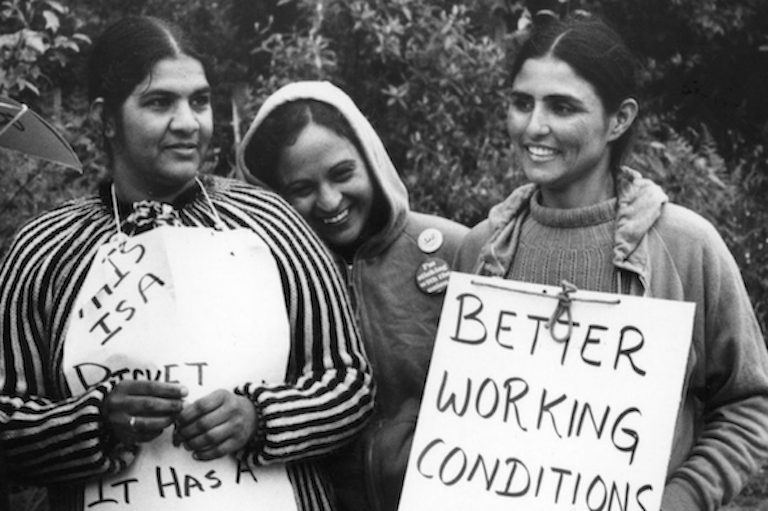
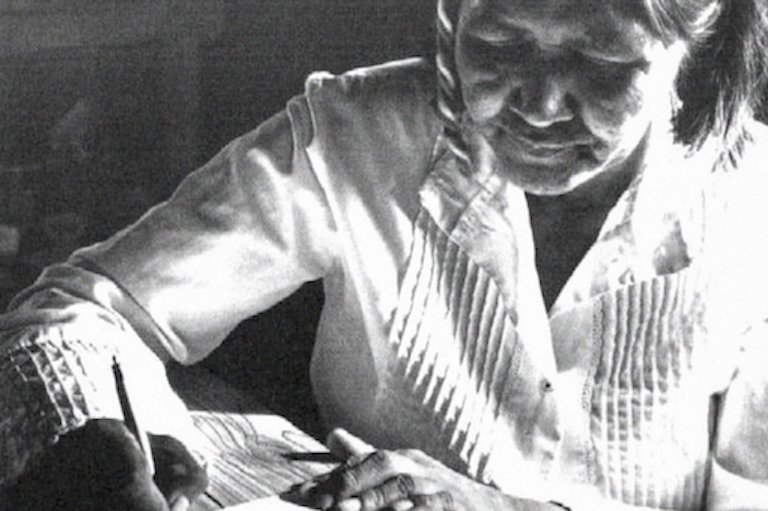
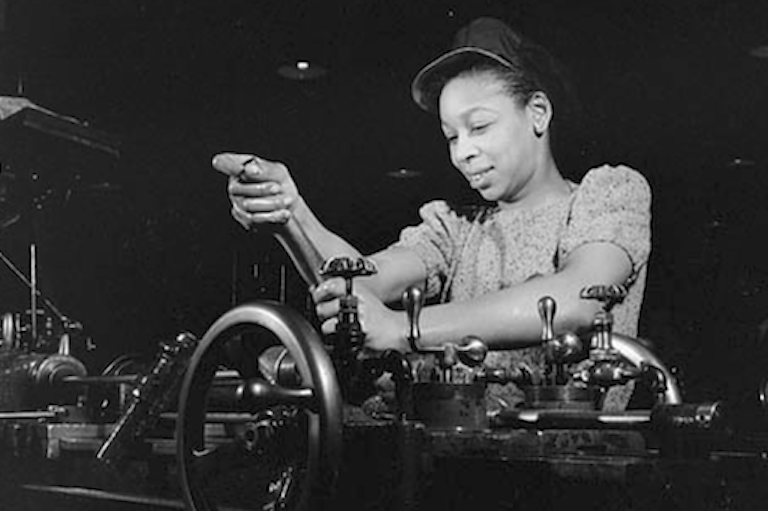
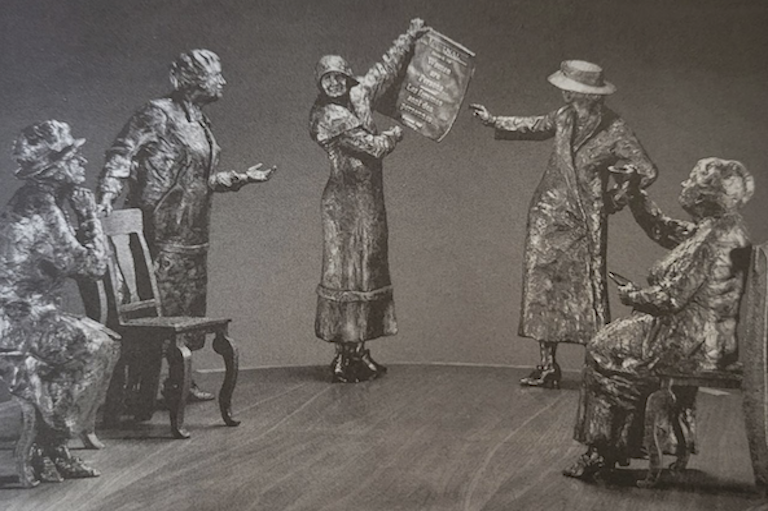
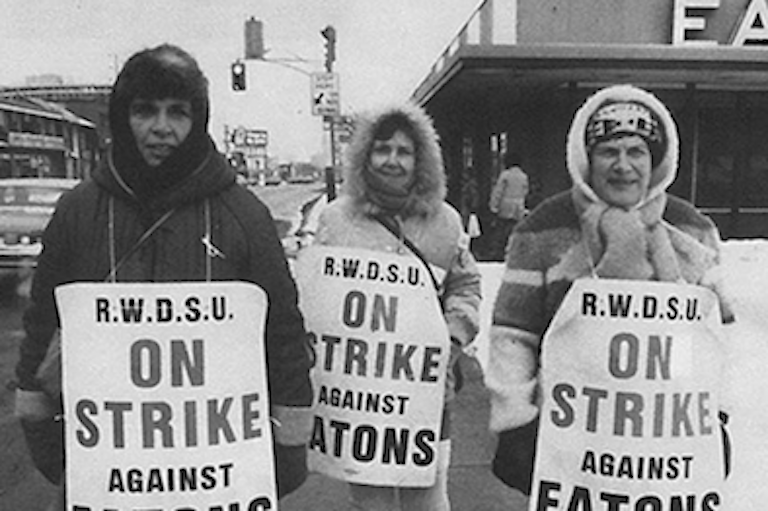
The lessons provided here attempt to address the gaps. Incorporating the work of both early and current scholars of women’s history, specifically, primary documents originally found in Framing Our Past: Constructing Canadian Women's History in the Twentieth Century (2001) and supplemented with more recent documents. This SSHRC funded project focuses on a series of topics that impact women. Our lessons include: South Asian Women’s Immigration to Canada, An Historical Examination of Canadian Women Journalists, Women Workers During World War Two and Oral Historical Accounts, The Persons Case, Canadian Women and Political Activism in the 20th and 21st Centuries, Household Labour and Technology in the 19th and 20th Centuries, Indigenous Women’s Rights; Questions of Identity and Nationhood and Women Artists and the Challenge to the Canadian Artistic Canon and Canadian Identity. All eight lessons are in both English and French. The French lessons are more than a translation of the English; they include specific French documents. Members of the research and writing team, including the original editors of the book, developed these lessons and resources to bring historical narratives into schools and university teacher training programs. The lessons were shared with academic historians, and practicing teachers, who all provided feedback and suggested changes. We have written and rewritten all the lessons, to ensure they honour and respect the voices and historical experiences of the women and provide multiple options for use in history classes. Although the lessons seem exceedingly long, they are meant to be taught over several classes, or, as students in grade 10-12 contain different learners, we suggest that teachers cherry pick the parts of the lessons that best address student needs.
Teachers decide what is best for their classes!
The lessons contain all the primary documents, and links to online sources where the documents can be found. Questions and lesson activities are provided, but could also be altered by teachers, who are looking for new documents and critical questions. We hope you enjoy incorporating these lessons and welcome your feedback. Thank you!
— Marie-Hélène Brunet and Rose Fine-Meyer
Advertisement
We acknowledge the generous support of Canada’s History, Ontario Women’s History Network, Thinking Historically—For Canada’s Future Research Project, University of Ottawa Faculty of Education and SSHRC—CRSH. We also want to thank McGill-Queen’s University Press for granting the rights to use content from the Framing Our Past (2001) original book.