Your history. Your inbox.
7 uniquely curated newsletters to choose from.


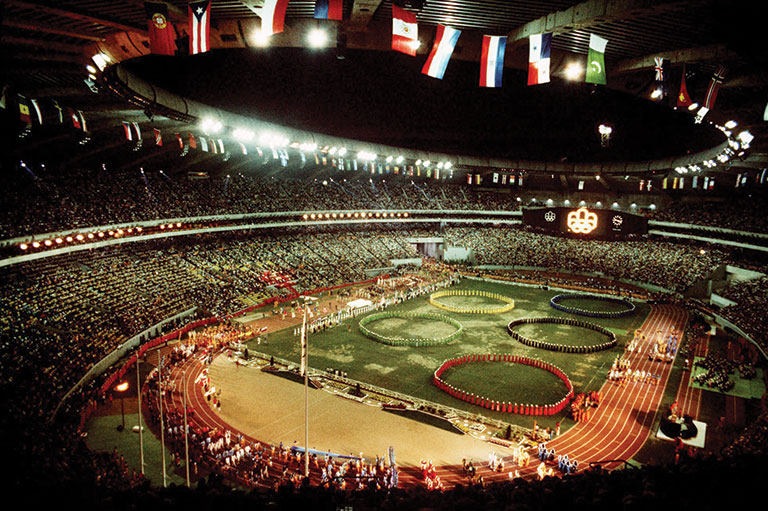
From July 17 to Aug. 1, 1976, the world’s eyes were on Montreal for the Games of the XXI Olympiad. The only Summer Olympics to be held in Canada, the Games were a chance for the country to showcase itself to the world — and it did so in spectacular style.
But the Games weren’t without controversy, including a 29-country boycott due to New Zealand’s presence after that country’s rugby team played in South Africa, defying the United Nations’ calls for a sports embargo due to apartheid policies.
Despite the boycott, the Games’ infamously high price tag and the dawn of tighter security, Montreal 1976 shone in the international spotlight — starting with the Opening Ceremony (seen at right). Having two teenagers — Stéphane Préfontaine of Montreal and Sandra Henderson of Toronto — light the Olympic flame symbolized Canada’s francophone and anglophone communities. Here, Canada’s History walks you through some of the most memorable moments.

With 7 uniquely curated newsletters to choose from, we have something for everyone.
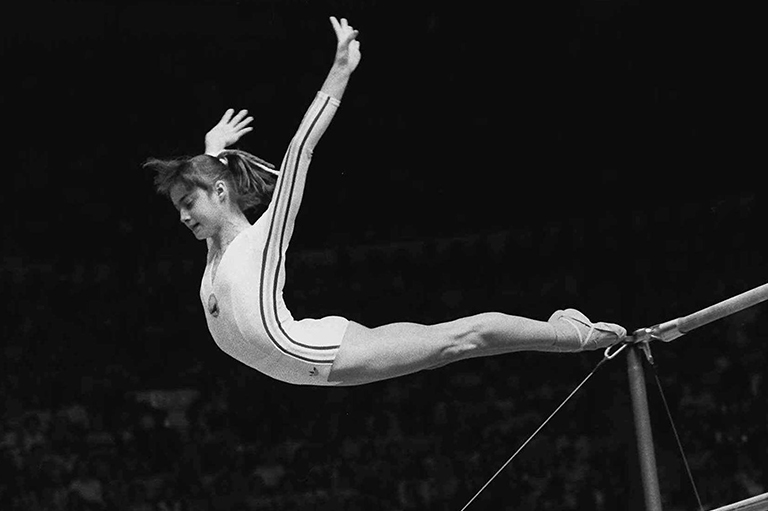
If there’s one name synonymous with the 1976 Summer Games, it’s Nadia Comaneci. At just 14 years old, the remarkable Romanian gymnast made Olympic history by scoring the Games’ first perfect 10 — and then going on to score seven more, four of which were for her performance on the uneven bars. Comaneci’s spellbinding skill on the bars, balance beam and floor earned her three gold medals and ignited worldwide interest in gymnastics.
Advertisement
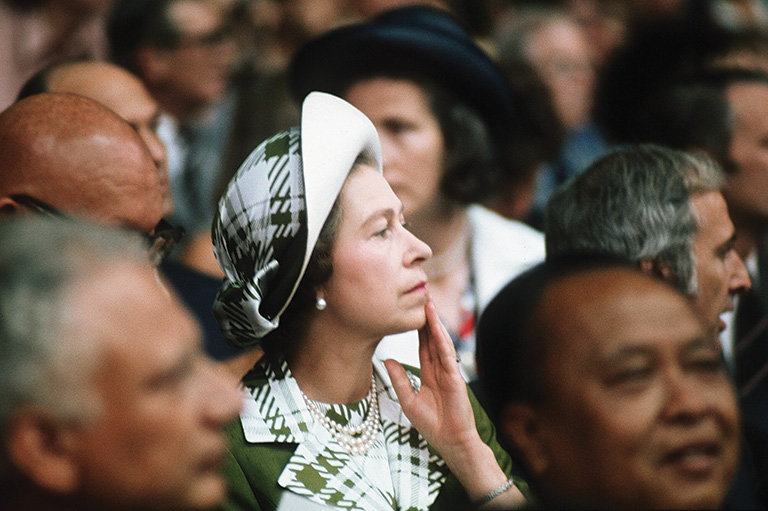
Besides officially opening the Games, Queen Elizabeth 11 attended various events — perhaps most notably, the equestrian cross-country competition that featured her daughter, Princess Anne. At 25 years old, the princess was the first member of the British Royal Family to compete in the Olympics, and despite a fall and a resulting concussion, she remounted her horse and completed the course.
As for the Queen, she also took in swimming, diving and cycling and, along with Prince Philip, hosted Canadian officials at a dinner on the Royal Yacht Britannia, moored in the Montreal harbour.
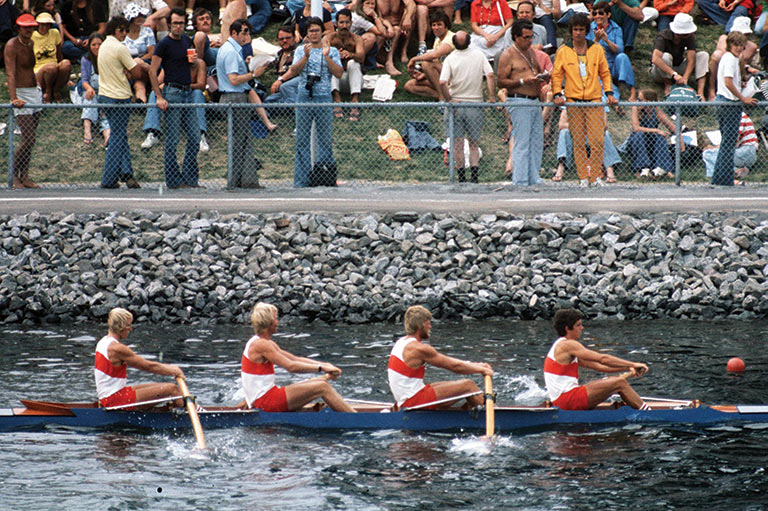
They may not have earned a medal, but the Canadian men’s rowing team did the country proud at the Montreal Games, earning six top-eight finishes. Just four years earlier, at the Munich Games, the team had none.
In another Montreal first, the 1976 Games also marked the debut of women’s Olympic rowing. The Canadian team came within one second of winning the bronze — highlighting their skill and spotlighting the lack of resources and coaching for women in the sport.
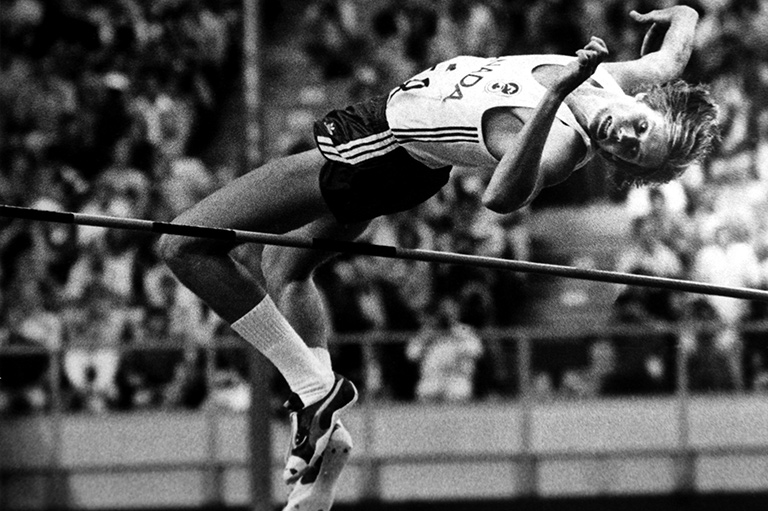
With the end of the Games in sight and still no gold medals for Canada, Vancouver’s Greg Joy must have been feeling the pressure. But the 20-year-old high jumper was up for the challenge. He cleared 2.23 metres, beating the then-world record holder — American Dwight Stones — to the crowd’s delight. Joy had scored the silver but still had a chance at gold. That hope was dashed, however, when he missed the 2.25 metre height. But earning that silver proved to be a point of national pride and Joy carried the Canadian flag in the Closing Ceremony, truly ending the Games on a high note for Canada.
Save as much as 40% off the cover price! 4 issues per year as low as $29.95. Available in print and digital. Tariff-exempt!
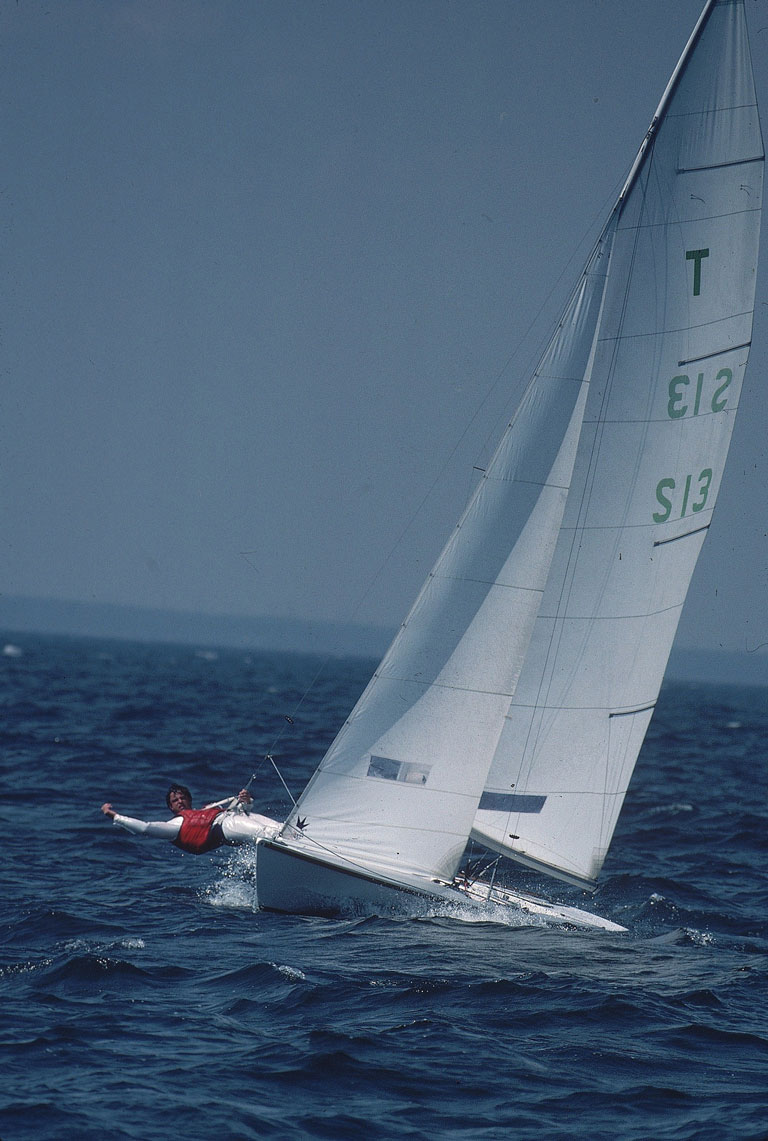
If Montreal rose to the challenge of hosting the Olympics, Kingston, Ont., ensured smooth sailing. The city’s purpose-built Portsmouth Olympic Harbour was the site for the sailing events and is fondly remembered by Sanford Riley, a member of the Canadian National Sailing Team and competitor in the 1976 Olympics. “I received so much support from the people in Kingston,” Riley recalls. “The fact that my daughter was born in Kingston during the Olympic Trials made the entire experience that much more memorable.”
We hope you’ll help us continue to share fascinating stories about Canada’s past by making a donation to Canada’s History Society today.
We highlight our nation’s diverse past by telling stories that illuminate the people, places, and events that unite us as Canadians, and by making those stories accessible to everyone through our free online content.
We are a registered charity that depends on contributions from readers like you to share inspiring and informative stories with students and citizens of all ages — award-winning stories written by Canada’s top historians, authors, journalists, and history enthusiasts.
Any amount helps, or better yet, start a monthly donation today. Your support makes all the difference. Thank you!
Advertisement