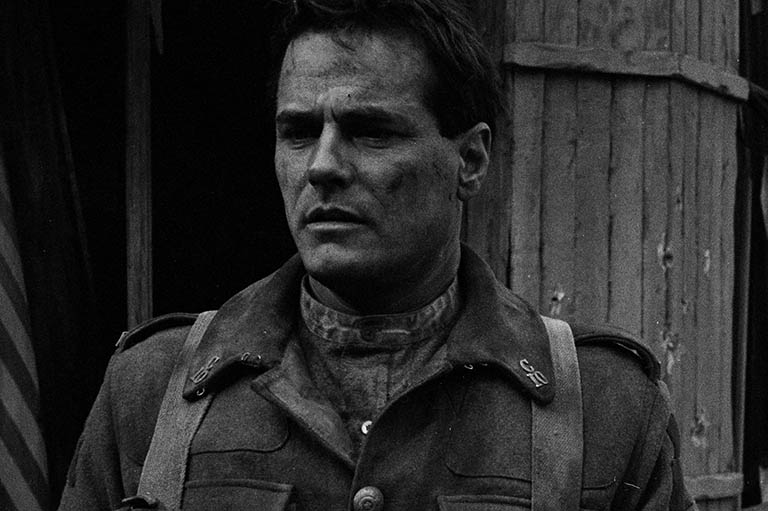
Fascinated with storytelling, individual experience, and Canadian symbols, Paul Gross, actor, filmmaker, screenwriter, in his multiple works, has been single-minded in highlighting subjects from the Canadian past.
Launched in 1997 for Canadian secondary-school students, this historical “cold case” website has become a major force in online education, but is also a fascinating exploration for the armchair sleuth.
Jean-Pierre Frigon stimulates the learning of history through a number of educational activities — presentations, projects, field trips, and exchanges — which involve students directly.
Nancy Hamer-Strahl places an emphasis on student achievement through the Multiple Intelligences teaching philosophy, which allows studentsto showcase and develop specific talents.
Bev Milobar denOuden created a local history inquiry project that presents students with the opportunity to discover the changes in their community over time using critical thinking to connect the past with the present.
In the Diamond Jubilee Re-Enactment, students create poster boards and organize an event to celebrate the sixtieth anniversary of Confederation. Dressed in 1920s attire, students invite the community to dance, eat, and learn about Canada's achievements and challenges.
Cathleen encourages hands-on learning through field trips and environmental studies outside of the classroom. Through “talking circles”, 7rd students share their learning and personal experiences.
Mike Ward believes that students learn best through personal experience, and with his social studies Pioneer Village his students are given that opportunity.
Rhonda Draper believes that learning is accelerated through expressions of the “musical voice” in young people. In her unit plan Canada: On the Wings of Our Song she exemplifies this teaching philosophy through a focus on folk songs.
Rose Fine-Meyer created a senior level high–school Interdisciplinary Studies course entitled Archives and Local History which has received accreditation as part of the Ontario curriculum.