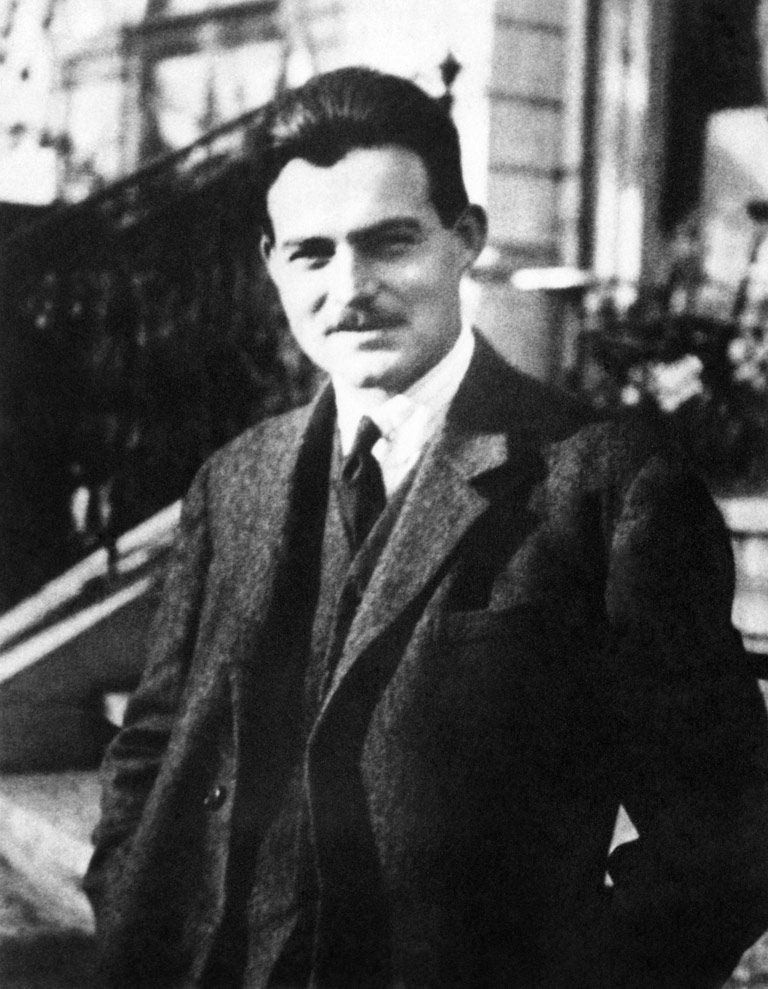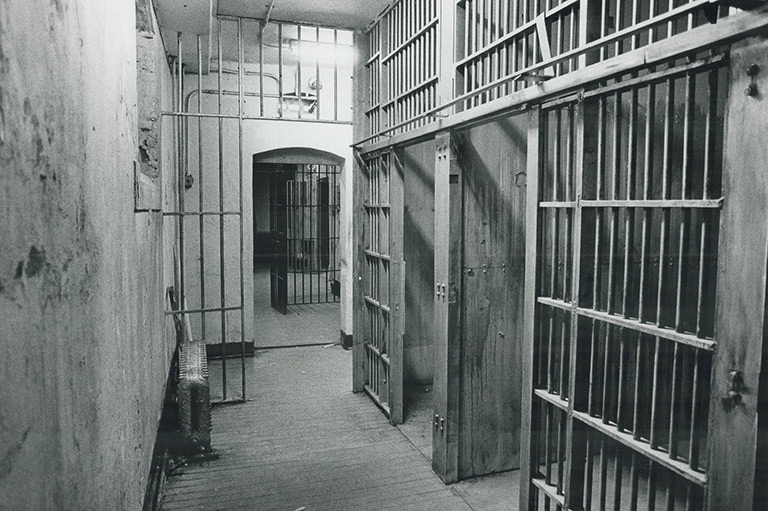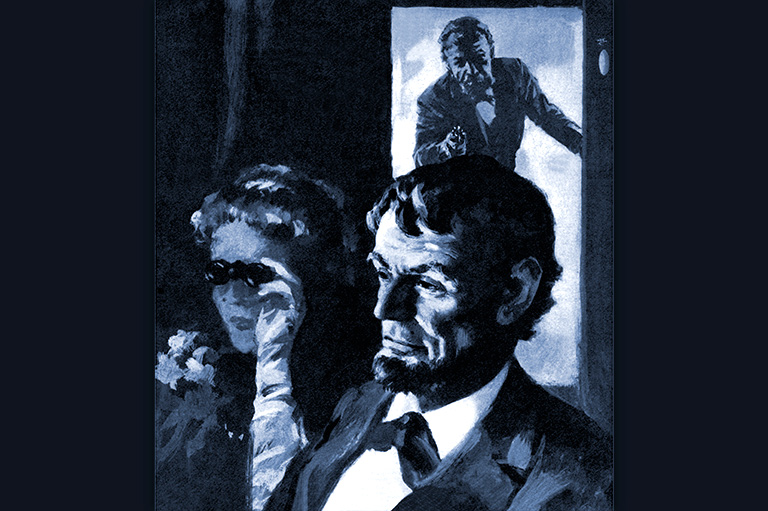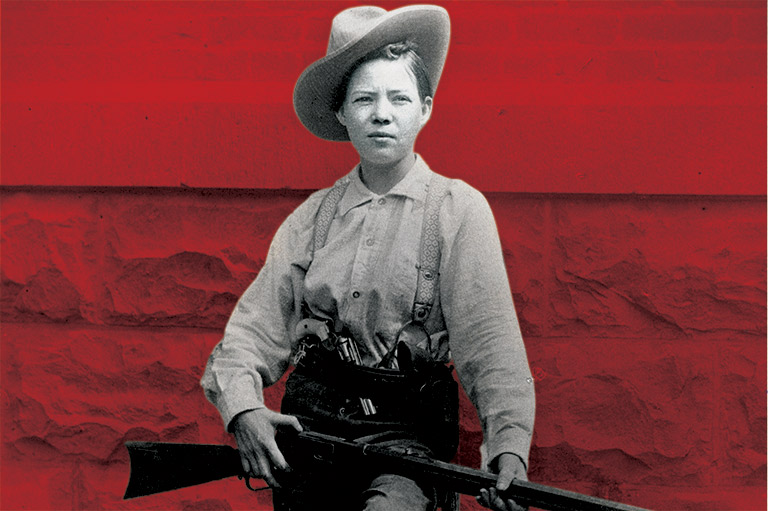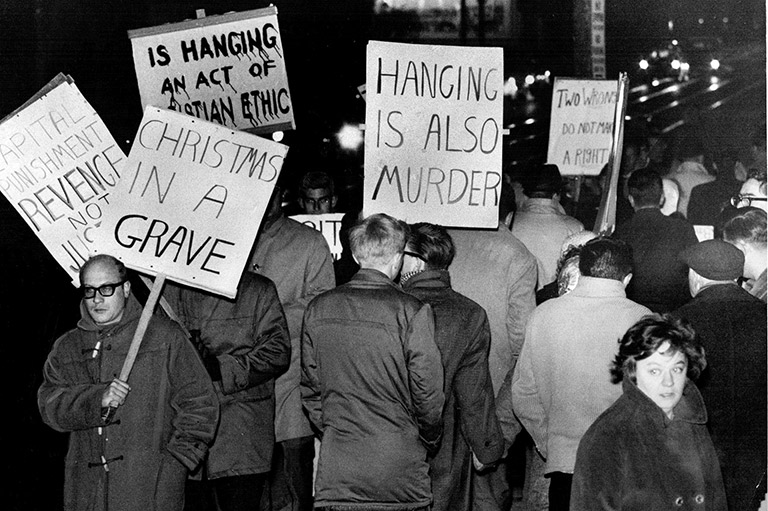
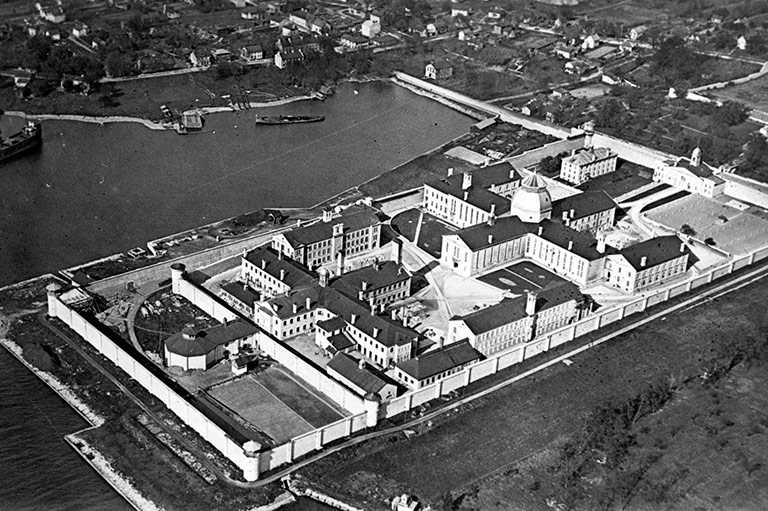
By the time the Toronto Daily Star reporter’s train chugged into the station in Kingston, Ont., one of the escapees had been recaptured. Police officers and prison guards were scouring a wooded area for four others who had scaled the six-metre wall surrounding the forbidding penitentiary that shared the city’s name. Ernest Hemingway scrambled to find and interview witnesses and pieced together a story that topped the paper’s front page the next day, Sept. 11, 1923, under the headline “Escaped Kingston Convicts Still at Large.”
The report offered a gripping moment-by-moment account of the escape and the inmates’ flight in a stolen car as a posse of lawmen pursued them through the city in commandeered vehicles. When the escapees’ car crashed on a country road, they fled into the woods, but the driver, who had been shot in the hand during the chase, was captured. That night, the pursuers cornered the remaining prisoners and blindly fired a hail of bullets into the darkness. The men vanished and none, it appeared, had been hit. “There is no blood,” Hemingway reported, “and there are no bodies.”

Your history. Your inbox.
With 7 uniquely curated newsletters to choose from, we have something for everyone.
The story ran to more than 2,000 words and was written in Hemingway’s trademark lean prose — concise, with short sentences to heighten the tension and drama, and brief but vivid descriptions of people and places. The inmates had set fire to a barn inside the prison, and the smokescreen hid them from armed guards posted in towers as they used a homemade ladder to scale the wall.
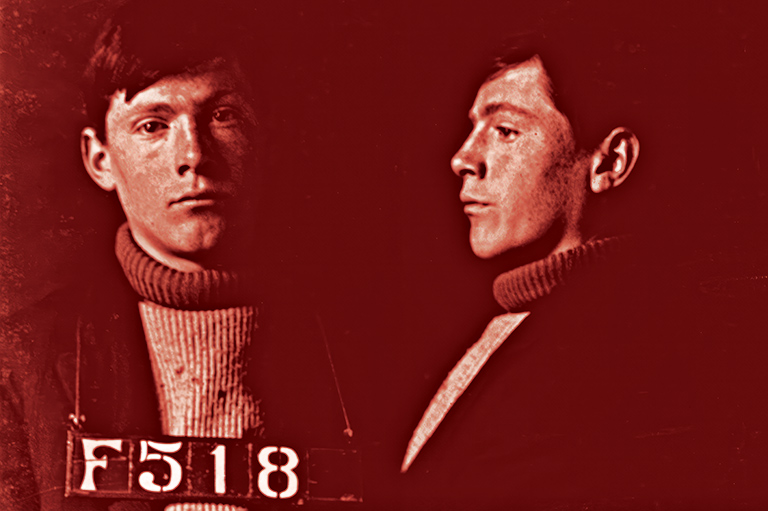
Hemingway gave each escapee a nickname. He dubbed the recaptured man, Edward McMullen, “Wyoming” because he was serving 14 years for robbing a bank in an Ontario town of that name. “Big” Gordon Simpson and “Young” Arthur Brown were each serving 10 years for robbery. Thomas “Runty” Bryans was also doing 10 years, for manslaughter. The red-haired ringleader of the escape was a “thick, freckle-faced man whose prison cap could not hide his flaming head.” He was the last inmate to climb the ladder and, when a guard tried to grab him, he swung the handle of a pitchfork and struck the man in the face. Norman Ryan, a notorious Toronto crook, was less than two years into a 25-year term for robbing banks; from now on, thanks to Hemingway, he’d be known as “Red” Ryan.
Hemingway spent two days in Kingston and filed three followup stories on the search for the escapees, all splashed on the Star’s front page, before returning to Toronto. Within days, he was taken off the story and handed a new assignment, to investigate fraud allegations against the promoters of an Ontario coal mine. But the man destined to become a giant of American literature and one of the most celebrated authors of the 20th century wasn’t done with Red Ryan. The bank robber’s exploits, Hemingway was convinced, had the makings of the plot for a gritty crime novel that would capture the reckless spirit of the rollicking, celebrity-obsessed Roaring ’20s.
The outlaw who earned plenty of nicknames besides Red — Canada’s Jesse James, the Lone Bandit, the Golden Boy of Crime — was born in Toronto in 1895. He grew up in the downtown neighbourhood of Queen and Spadina and became the black sheep of his Irish-Canadian family, convicted of petty theft at the age of 12 and sent to the Kingston Penitentiary at 17 for trying to shoot a man. A spree of armed robberies after his release put him back in prison in 1915. “What promised to be a career of serious crime,” Toronto’s Globe reported, had been “nipped in the bud.”
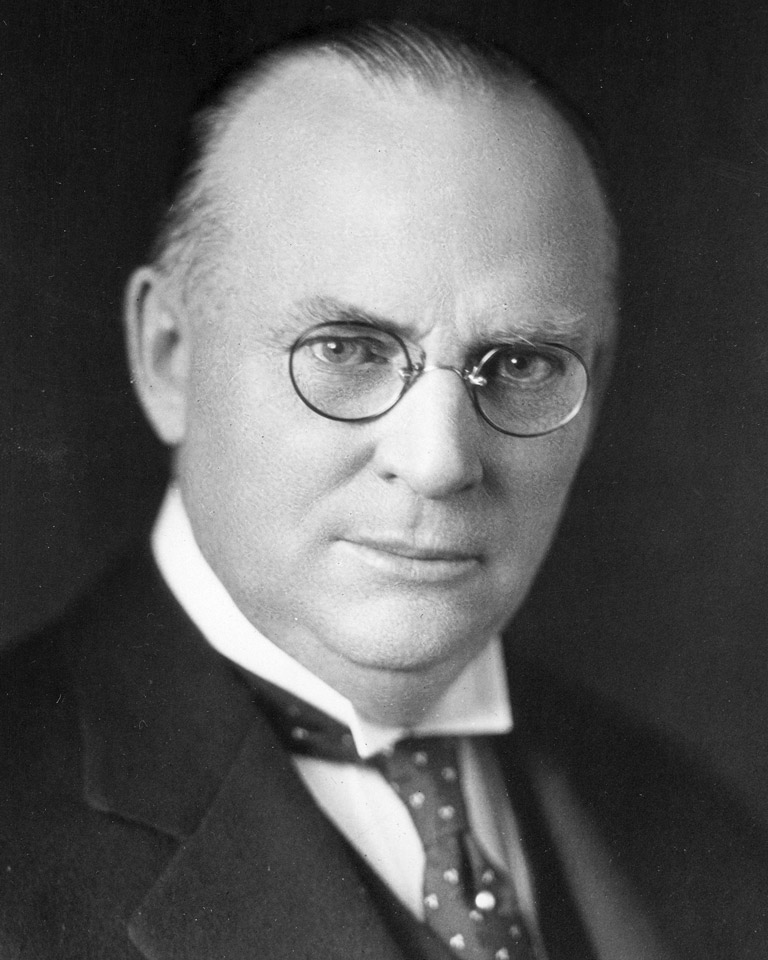
The prediction, however, was premature. Ryan was released in 1918 so he could enlist in the army and was shipped overseas, but the only enemy he fought was the law. Court-martialled for theft, he deserted. Once Ryan was back in Canada, he robbed banks in Ontario and Montreal until his arrest in 1921 after a gun battle with the police. “Norman Ryan,” declared Toronto police Chief Samuel J. Dickson as he was shipped back to Kingston to serve a 25-year sentence, “is a vicious, dangerous and resourceful thief.”
Hemingway, meanwhile, was 18 when he landed his first journalism job at the Kansas City Star in 1917. When the U.S. entered the First World War that year, he volunteered to drive ambulances for the Red Cross on the Italian front, where he was wounded. When he had no luck finding a reporting job in Chicago after the war, he headed to Toronto. His first bylined feature in the Toronto Daily Star was a humorous tale of getting a free shave by serving as a guinea pig for students at a barber’s college.

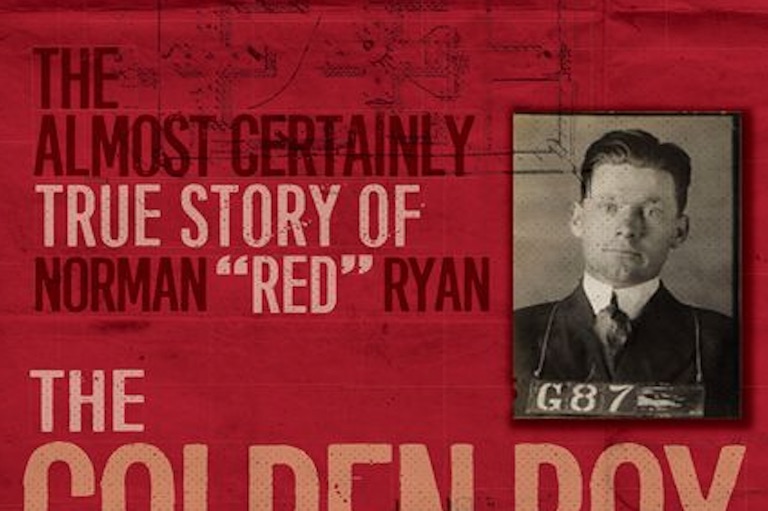
Born in Toronto in 1895, Red Ryan had been convicted of petty theft by age 12
He freelanced for the Star for a couple of years, then headed to Paris at the end of 1921 as a European correspondent for the paper, where he covered breaking news and postwar turmoil, interviewed Italian strongman Benito Mussolini and filed travel pieces from across the continent. Hemingway moved back to Toronto with his wife, Hadley, in 1923, to work full time for the newspaper; his first day back in the Star’s newsroom was the day of Ryan’s escape.
After the prison break, Ryan and his comrades hid in woods and swamps on the outskirts of Kingston for five days before hopping a freight train to a nearby city. They stole a car and drove to Toronto, where they robbed a bank, divided the loot and split up. Simpson and Bryans headed to Quebec, whereas Ryan and Brown crossed into Michigan and, over the next three months, robbed a string of banks from New York to North Dakota, using Minnesota as their base. Their haul was an estimated $200,000, equivalent to almost $3.7 million today.
Ryan, however, made the rookie mistake of writing to cronies and girlfriends back home. The authorities traced one letter to a post office in Minneapolis and cornered him there in mid-December 1923. Ryan shot at a cop and took a bullet in the arm before he was arrested. The next day, police were waiting for Brown at his girlfriend’s apartment in the city. He was shot dead as he reached for his gun.
By early January, Ryan was back in Canada and back behind the walls of the Kingston Pen. He was 28 — and, as punishment for the escape, he was now serving a sentence of life in prison.
That month, Hemingway left the Star and moved to Paris with Hadley and their newborn son, Jack. Ambitious and bullheaded, he had clashed with his editors and quit in a huff after being relegated to routine assignments, but he realized he was ill-suited for the daily grind of churning out the news. “Always the questions are who, where, when, how,” he complained to colleagues, as Ross Harkness recorded in his book J.E. Atkinson of the Star, “but never why, which is the most important question of all.”
Fiction offered the flexibility Hemingway needed to explore the whys that motivated people and shaped events. In 1925, he completed his first novel, The Sun Also Rises. It was based on visits to Spain with a group of British and American expats, where he took in bullfights and the running of the bulls in Pamplona. As he waited for it to be published, he began to think about his next novel.
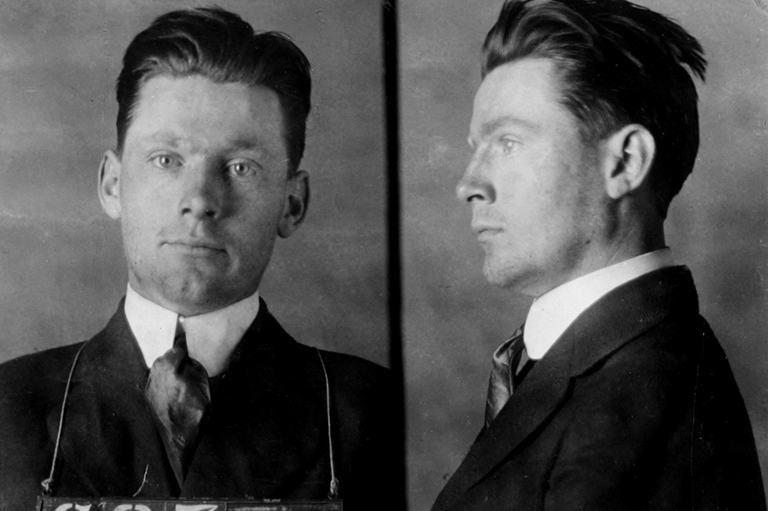
Hemingway never forgot Red Ryan and even kept the ticket stub from the train ride that took him from Toronto to Kingston to cover the escape. His next book, he scribbled in a journal in early 1926, would be “a picaresque novel for America.” He had a working title — A New Slain Knight, borrowed from an English folk song — and he had the perfect model for the bad guy anti-hero at its heart: “It will be about Red Ryan and his escape from Kingston Pen,” he wrote. “The flight — the hiding in the woods — the bank robbery in Toronto — the double crossing … the arrest … the trip back to Toronto and Kingston.” But as Hemingway put the words on paper, he had a change of heart. He could broaden his focus, he added, and tell a story about “all the tough guys. The jockeys, the bartenders — the Italian crooks…. It will not be the story of a weak disappointed youth caught and sucked up by fate. It will be the story of a tough kid lucky for a long time and finally smashed by fate.”
It sounded like a promising sequel to The Sun Also Rises, the kind of book that could transform him into a literary superstar. Popular culture in the 1920s — when Prohibition drove the liquor trade underground and Al Capone and other ruthless kingpins built their organized-crime empires — “was rife with guns and gangsters,” notes Hemingway biographer Leonard Leff. The author’s friend and rival F. Scott Fitzgerald, in a nod to the zeitgeist, had just cast a man who made his fortune consorting with gamblers and bootleggers as the main character in The Great Gatsby.
Subscribe to Canada's History
Save as much as 40% off the cover price! 4 issues per year as low as $29.95. Available in print and digital. Tariff-exempt!
As Hemingway worked on A New Slain Knight, however, both the main character and the storyline evolved. Ryan disappeared and the protagonist became Jimmy Crane, “a soldier of fortune,” as Leff describes him, “so dangerous that the American government has denied him a passport.” Hemingway drafted 50,000 words of the refocused story before abandoning it.
His next novel, published in 1929, drew on his experiences as an ambulance driver in the war. A Farewell to Arms was Hemingway’s first bestseller. Ryan’s exploits, it turned out, became the inspiration for the 1937 novel More Joy in Heaven by Canadian author Morley Callaghan, who was part of the Lost Generation of 1920s Paris and sparred with Hemingway in the boxing ring.
Ryan’s life after his capture in Minnesota, meanwhile, resembled Hemingway’s proposed storyline of a tough kid whose luck ran out. Press coverage of his crimes and capture turned him into a larger-than-life figure — an outlaw who wielded guns by day and wrote poetry at night (he published a book of reminiscences and poems in 1924, featuring such folksy one-liners as “The solitary cell is hell”).
Once Ryan was back in prison, he found religion — or at least claimed he had — and became a poster boy for efforts to rehabilitate prisoners and allow inmates to earn early release on parole. “Canada’s Jesse James” was a new man. He was credited in news reports — in error, as it turned out — with quelling an inmates’ riot. “The young bank bandit of yesteryear,” the Globe assured its readers in 1933, had “turned a new leaf.” Prime Minister R.B. Bennett, who was fighting a losing battle against the Great Depression and resurgent former prime minister Mackenzie King, needed a public relations boost and visited Ryan in prison. Bennett approved parole for the seemingly reformed robber in 1935.
“Crime reaps no dividend,” Ryan declared amid the reams of press coverage that chronicled his redemption and release. He was so famous that a Toronto car dealership hired him as a salesman and touted his name in advertisements to reel in customers. Not everyone was fooled; Gordon Sinclair, the Star’s famous globe-trotting reporter of the era, later dismissed him as “nothing but a dangerous little punk.” In his 2019 book, The Golden Boy of Crime, Toronto writer Jim Brown describes Ryan as a “spotlight craving … overrated bank robber” whose notoriety speaks volumes about our enduring fascination with crooks and crime.
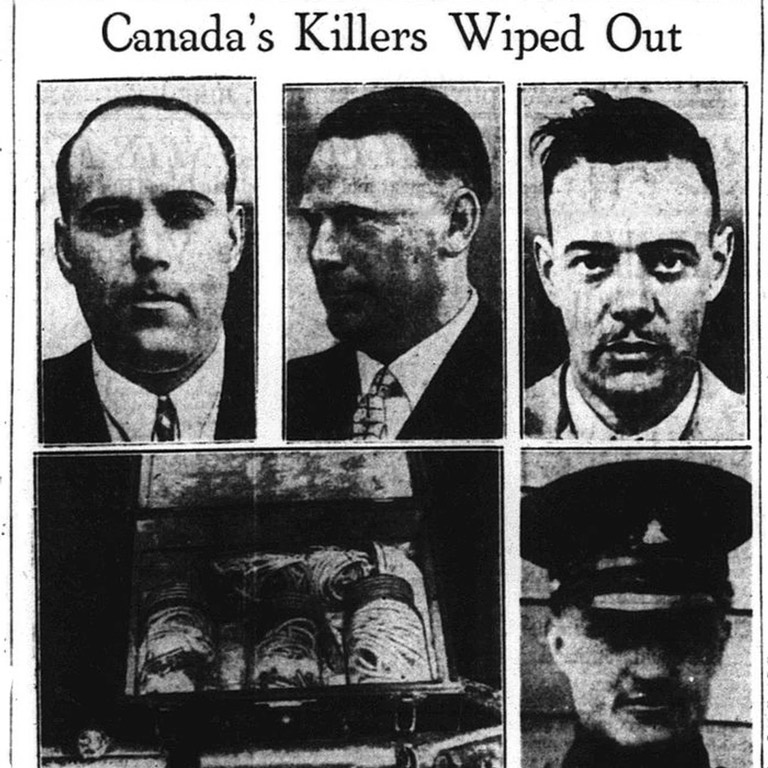
Within months of his release, Ryan had assembled a small gang and was robbing stores and banks. The authorities and crime reporters began to hear rumours that Red was back to his old ways. The gang shot and killed a man while stealing his car, then, in May 1936, they held up a liquor store in Sarnia, 290 kilometres west of Toronto. Police caught them in the act and Ryan gunned down one of the officers before he was hit by return fire. Both the policeman and Ryan died of their wounds. His legendary luck long gone, Red Ryan — as Hemingway had predicted — was finally smashed by fate.
Help keep Canada’s stories true, strong, and free
We hope you’ll help us continue to share fascinating stories about Canada’s past by making a donation to Canada’s History Society today.
We highlight our nation’s diverse past by telling stories that illuminate the people, places, and events that unite us as Canadians, and by making those stories accessible to everyone through our free online content.
We are a registered charity that depends on contributions from readers like you to share inspiring and informative stories with students and citizens of all ages — award-winning stories written by Canada’s top historians, authors, journalists, and history enthusiasts.
Any amount helps, or better yet, start a monthly donation today. Your support makes all the difference. Thank you!