Building a Better Canada

This year’s Governor General’s History Award winners show a deep appreciation of this country’s diverse voices
Written by Joanna Dawson Posted February 2, 2026

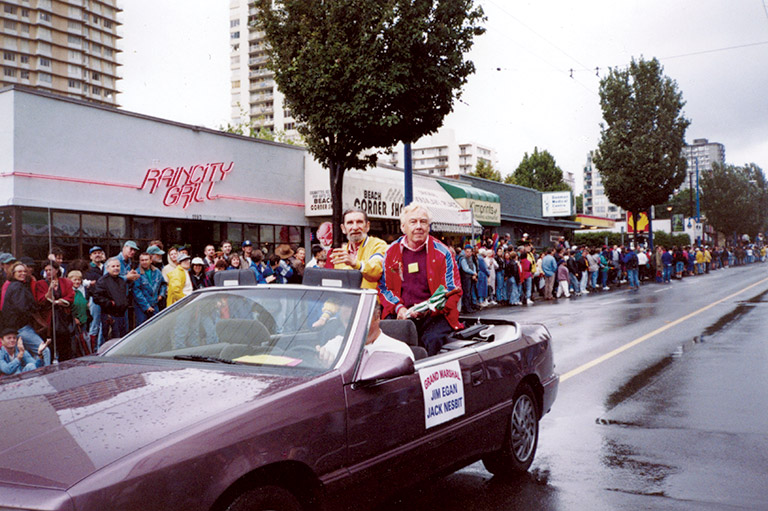
When activist James Egan and his partner, John Norris Nesbit, were denied spousal benefits, Egan challenged the federal government under the Old Age Security Act. Although the Supreme Court of Canada ultimately ruled against Egan, the court made a historic determination: sexual orientation constituted a prohibited ground of discrimination under the Canadian Charter of Rights and Freedoms. It marked a turning point for 2SLGBTQ+ equality in Canada. 

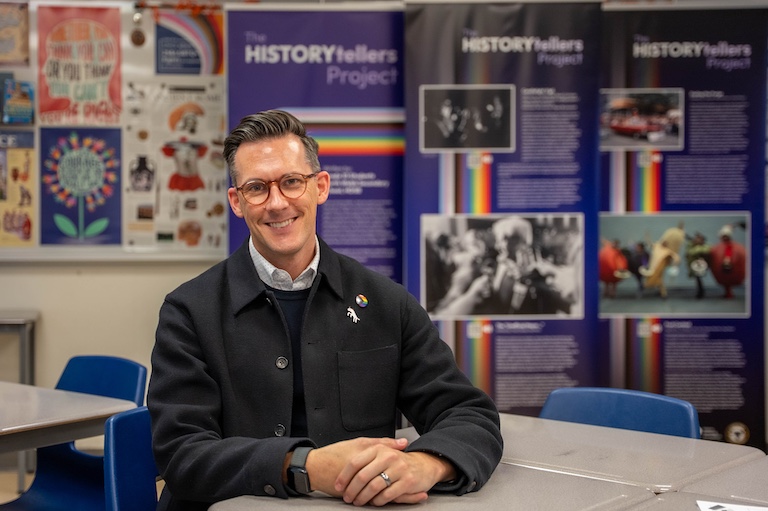
This pivotal moment in May 1995 was one of many explored by students in the Historytellers Project, led by Ontario teacher Ian Duncan. His Grade 10 students researched photos and documents held in the ArQuive, Canada’s 2SLGBTQ+ archives. They then shared their stories through an online and physical exhibit connecting history to present-day conversations about rights and inclusion. 

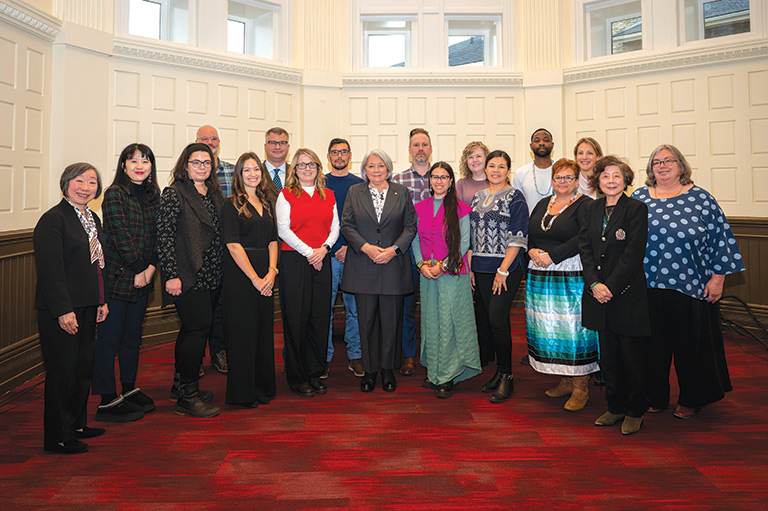
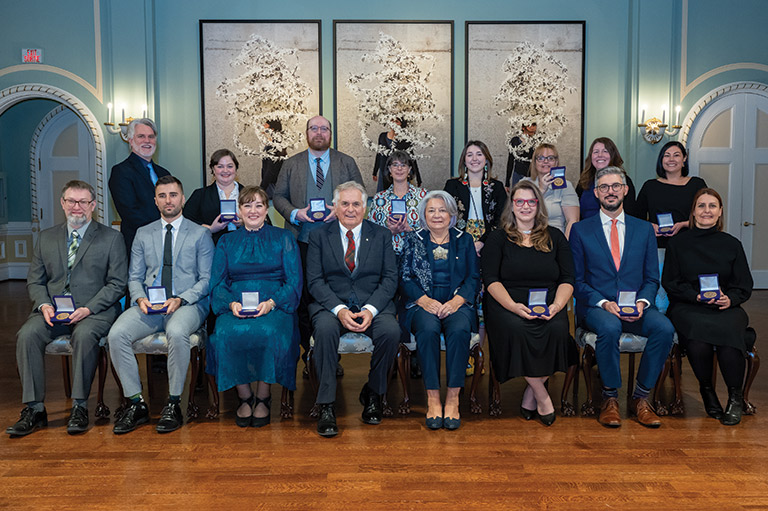
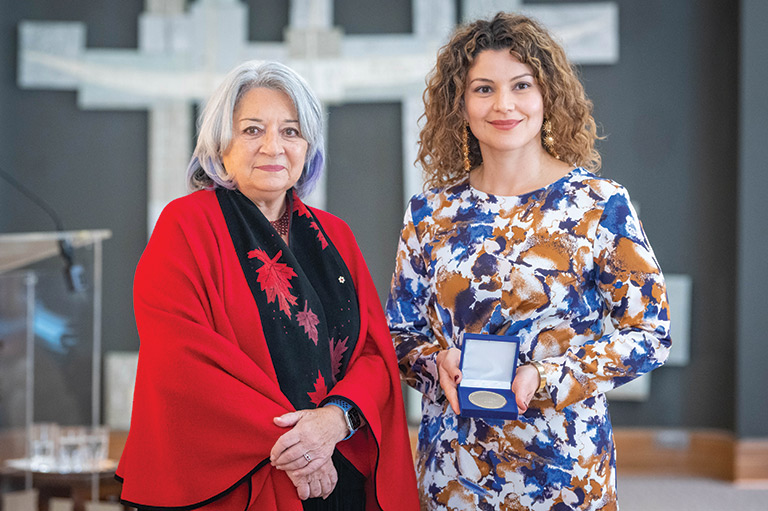
For this impactful approach to teaching history, Duncan and his students’ Historytellers Project is one of 12 initiatives receiving a 2025 Governor General’s History Award. Presented annually, the awards recognize outstanding contributions in five categories: teaching, community programming, museums, scholarly research and popular media. Together, they celebrate projects that make Canadian history more accessible, engaging and meaningful. 

This year’s recipients show that a deeper understanding of the past — one that honours diverse voices and lived experiences as well as multiple perspectives — can help build a more informed, empathetic and united Canada. 

2025 GOVERNOR GENERAL'S HISTORY AWARD RECIPIENTs

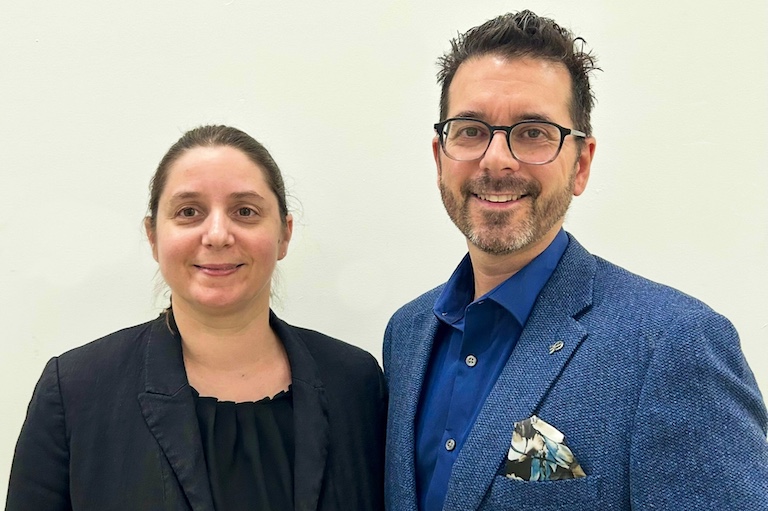
François Desmarais & Véronique Picard

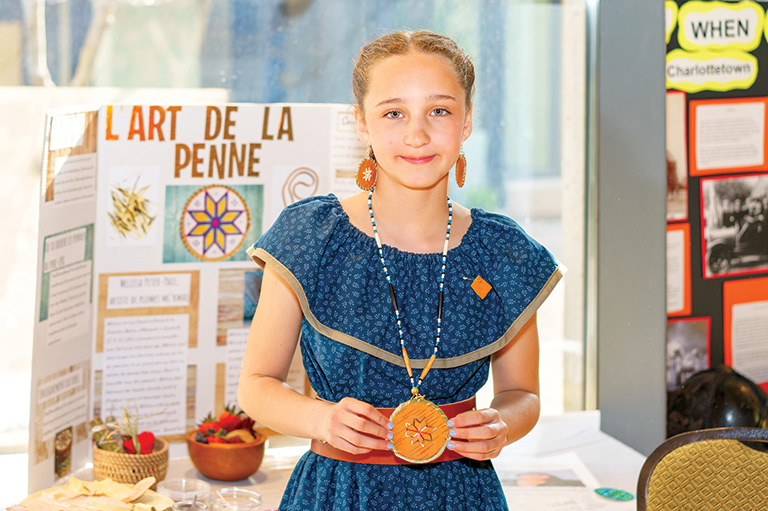
François Desmarais and Véronique Picard developed the Tissés serrés (Tightly Woven) project for their students, taking an innovative educational approach that puts history at the heart of the creative process.

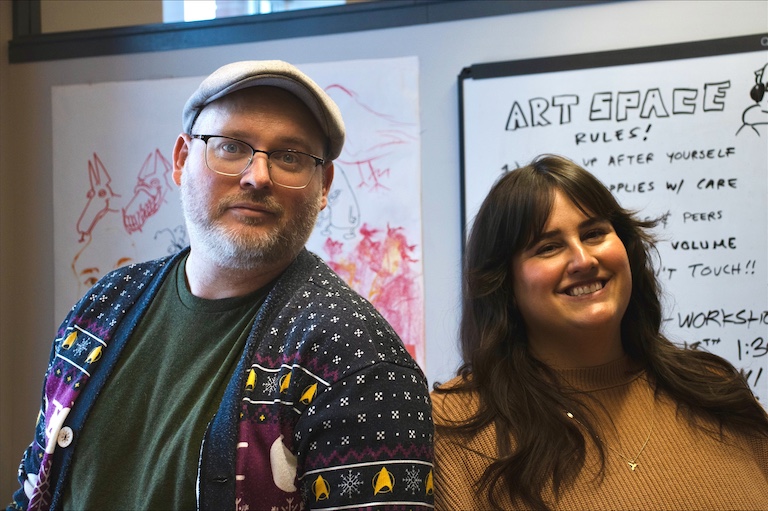
Ian Duncan

The Historytellers Project empowered students to uncover and share Canada’s often-overlooked 2SLGBTQ+ history.

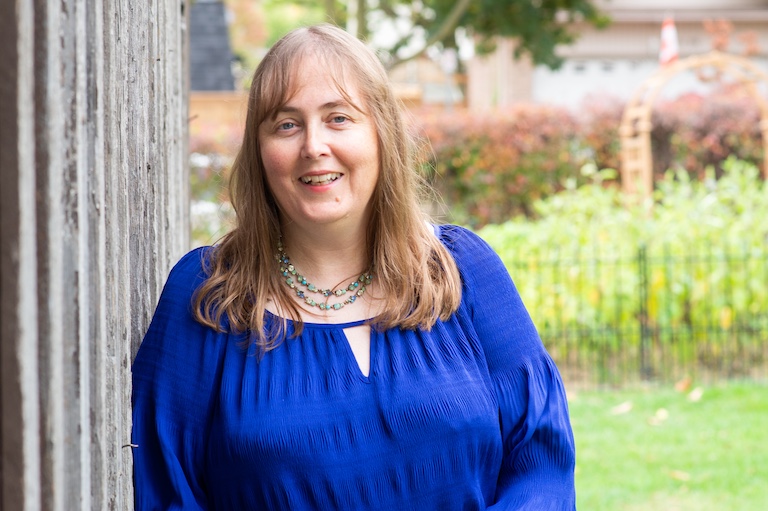
Heather Howell

Heather Howell’s students cultivated a heritage garden using traditional methods, growing vegetables and herbs similar to those raised by Burlington families in the late 19th century.

Kathryn Laframboise & Jonathan McPhail

The Black History Walking Tour was sparked by students’ concern over the near loss of a historic building — home to Canada’s first Black labour union.

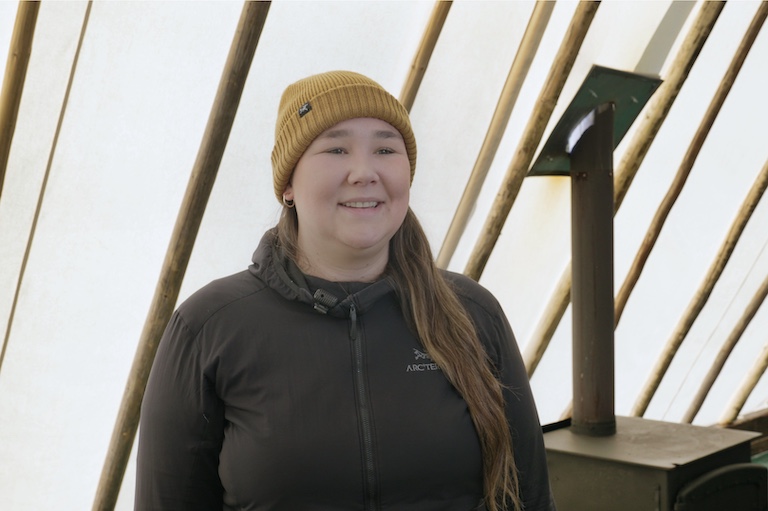
Manouchka Otis

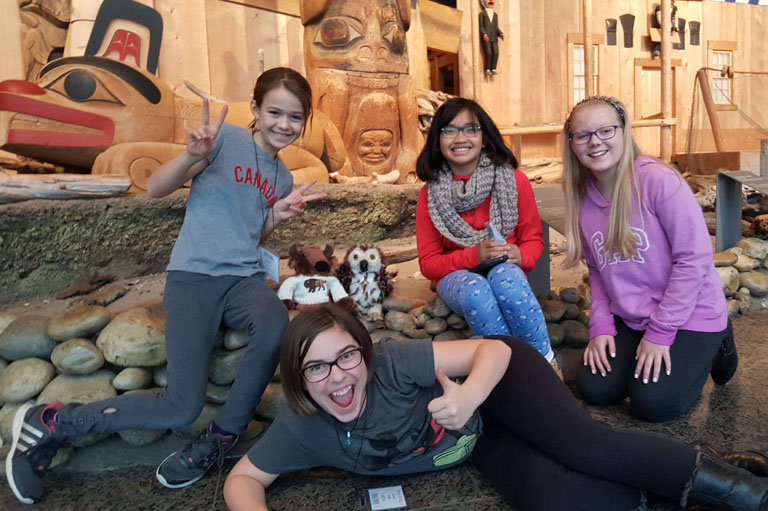
Manouchka Otis designed and implemented the Uapush Project, a pedagogical approach rooted in Innu knowledge, perspective and lived realities, offering a culturally relevant teaching experience.

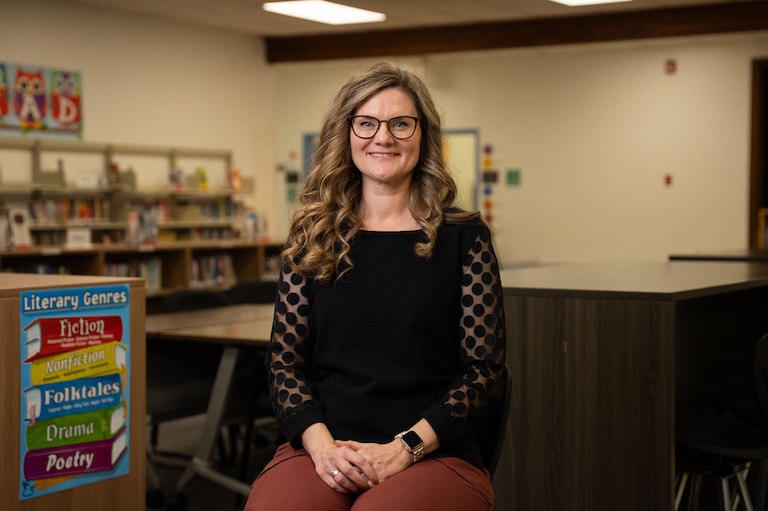
Erin Quinn

Through Discovering Our Roots, Erin Quinn’s students became historians and museum curators as they explored their community’s local history.

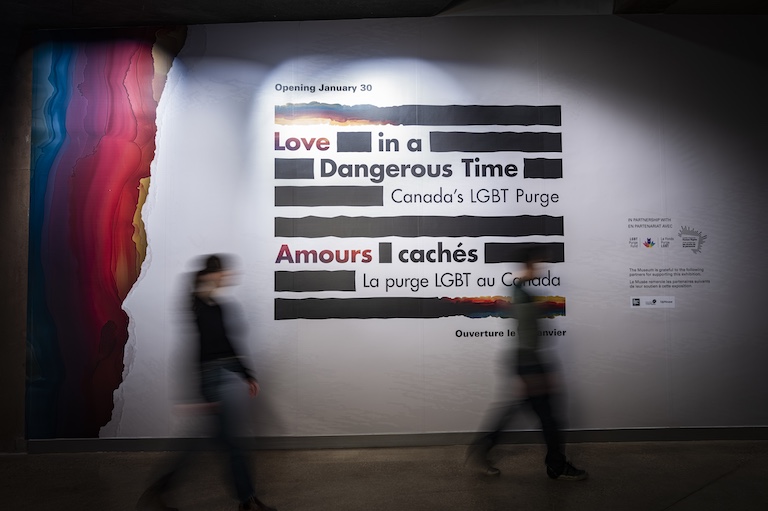
Love in a Dangerous Time: Canada’s LGBT Purge

Through immersive installations, AI technology, and newly commissioned artworks, this exhibition fosters empathy and invites visitors to reflect on the Purge as part of a broader history of sexuality and gender in Canada.

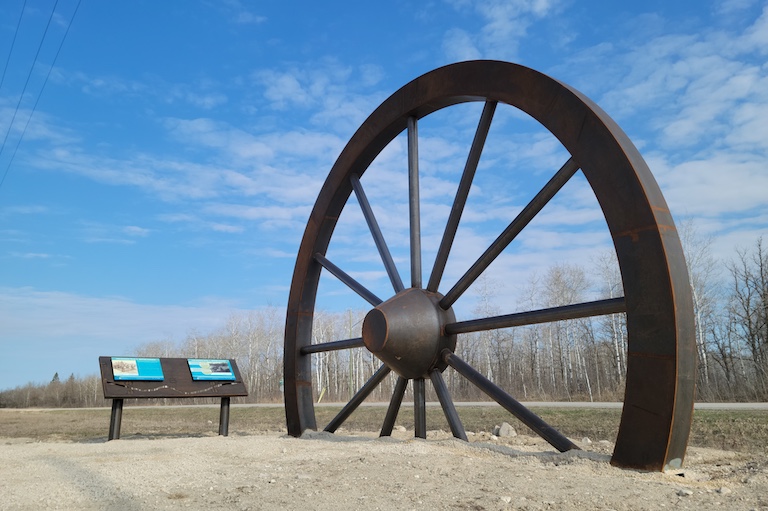
Dawson Trail Arts and Heritage Tour

The Dawson Trail Arts and Heritage Tour is a model for community-led heritage programming and collaboration, leaving an economic, cultural, and educational legacy that honours the goals of truth and reconciliation.

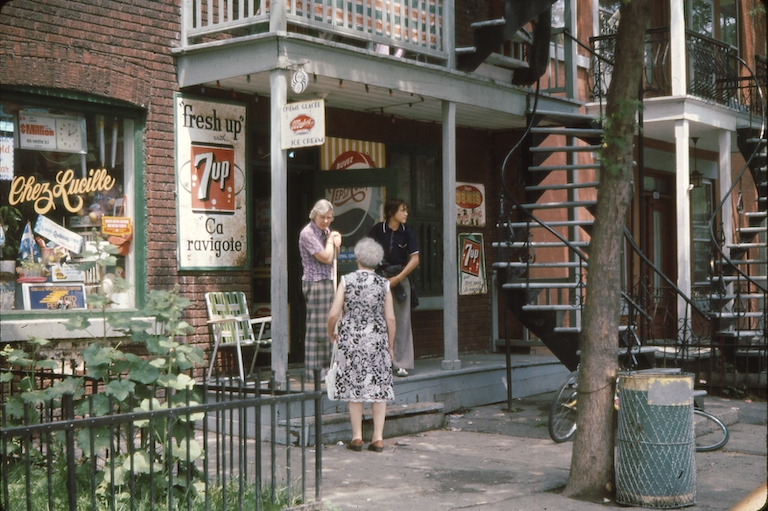
Géo-visualiser les patrimoines de Mercier–Hochelaga–Maisonneuve

This project actively breathes new life into the stories of a Montreal working-class neighbourhood whose collective identity continues to inspire and unite.

Crystal Gail Fraser

In its research methods, incorporation of Indigenous languages, and community-centred approach, By Strength, We Are Still Here makes a striking and original contribution to the literature on Indian Residential Schools in Canada.

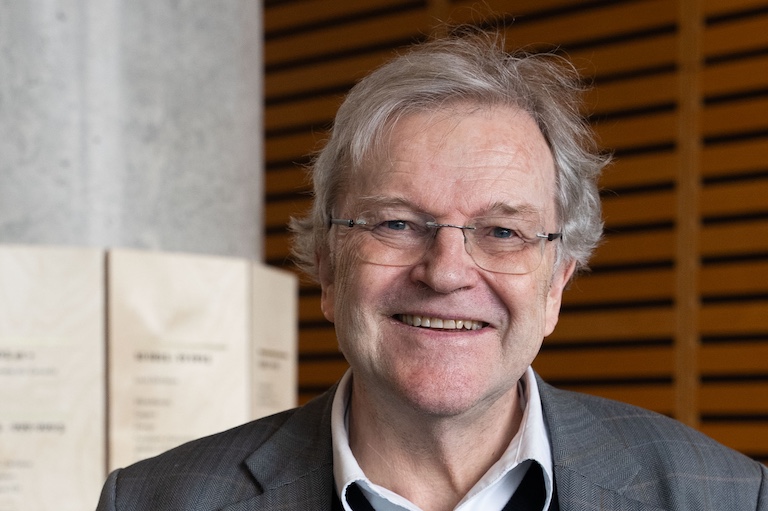
Hans-Jürgen Lüsebrink

In his superb intellectual biography of an important but largely forgotten figure in Quebec’s media and political scene at the end of the 19th century and the beginning of the 20th, Hans-Jürgen Lüsebrink makes a major contribution to Canadian history.

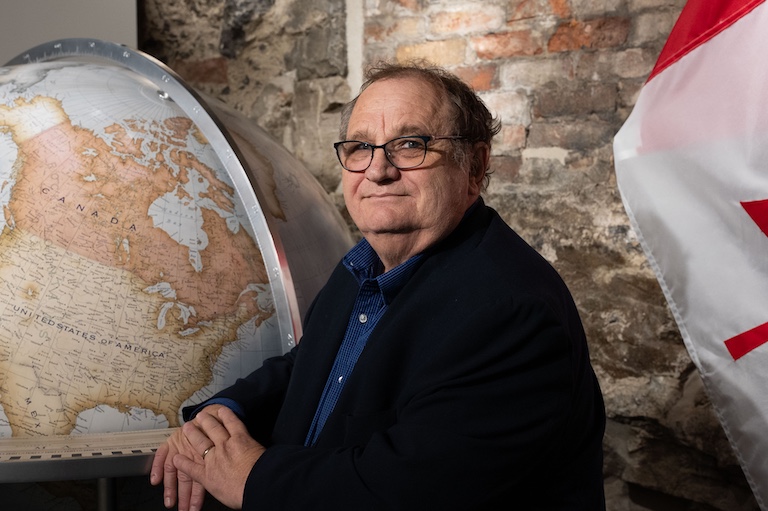
Mark Bourrie

Over four decades, Mark Bourrie's writing has revealed the complexity and richness of Canada’s history — from early encounters between Europeans and Indigenous peoples to the political struggles, wars, and media forces that have shaped the country’s modern identity.

This article was published in the Spring 2026 issue of Canada's History magazine. 

Related to Awards