Your history. Your inbox.
7 uniquely curated newsletters to choose from.


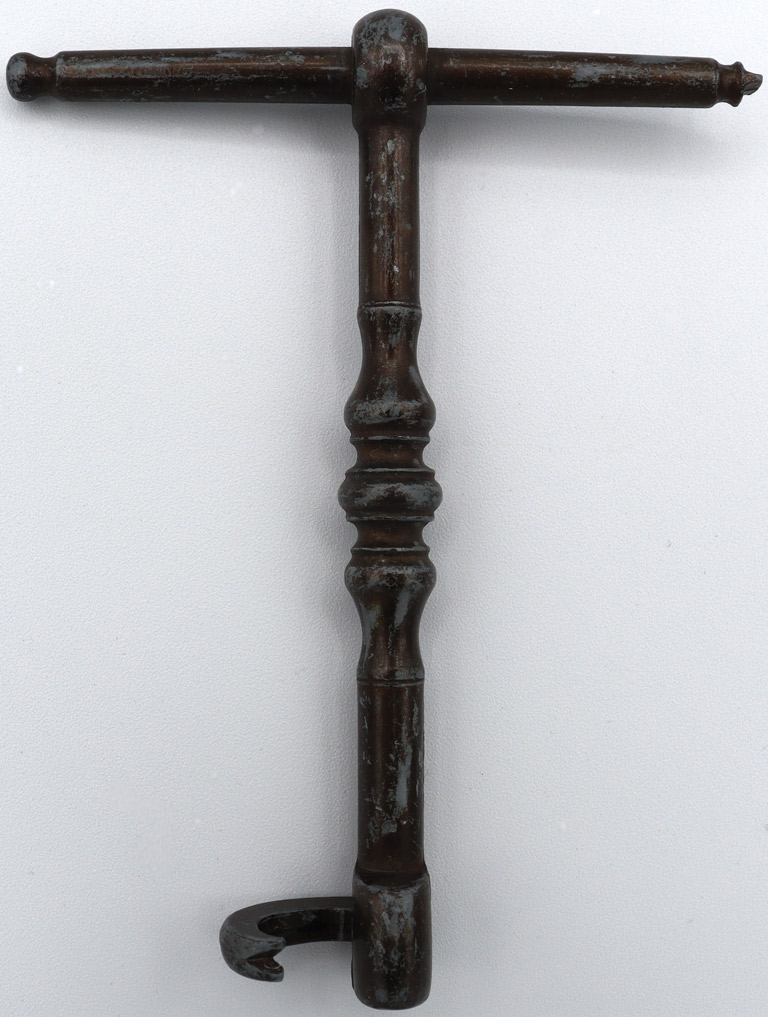
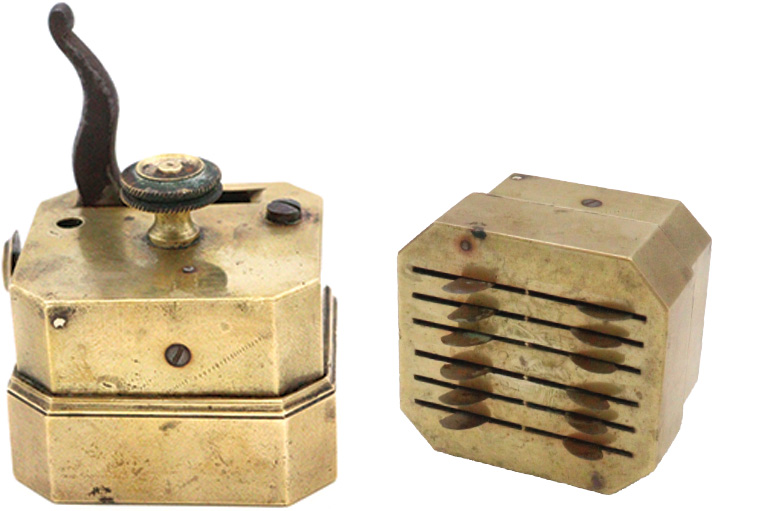
Resembling something from a carpenter’s bench rather than a dentist’s tray, the tooth key — also known as a dental key — was once the standard tool for tooth extractions. First appearing in the 18th century, the tooth key featured a rotating claw that clamped around the offending tooth while the practitioner twisted the handle to wrench the tooth free. Speed was its one advantage. Precision, alas, was not; broken teeth, splintered roots and torn gums were common side-effects.
Still, the tooth key endured for nearly a century, a testament to dentistry’s early pragmatism: better out than in. By the mid-1800s, forceps and anesthesia began to edge the dental key aside, offering accuracy and relief while ushering in a gentler — if no less necessary — age of oral surgery.
Today, tooth extraction is a regulated procedure supported by X-ray imaging, sterile instruments and reliable anesthetics. The once-ubiquitous tooth key now survives in museum collections, reminding us of how far dentistry has come — and how much pain helped pave the path to progress.

With 7 uniquely curated newsletters to choose from, we have something for everyone.
Advertisement