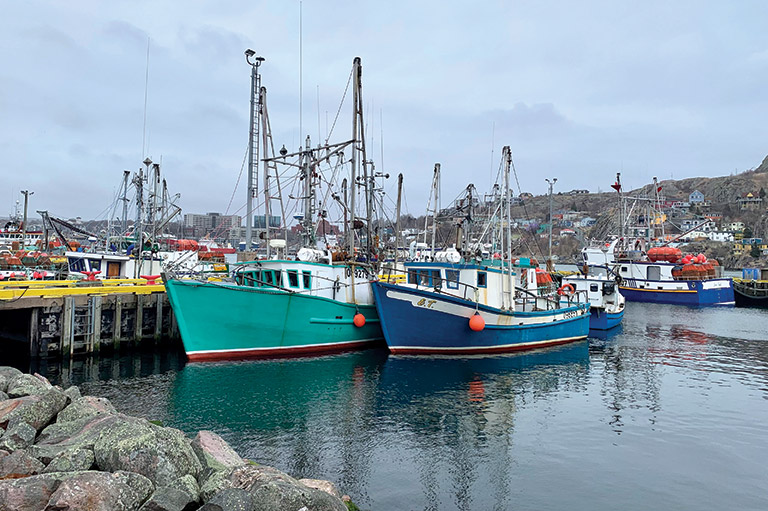
Under a picture-perfect sky, a stone’s throw from the North Atlantic Ocean, 400 hungry guests from as far away as Norway have descended on the small town of Elliston, on Newfoundland and Labrador’s Bonavista Peninsula. They’ve come to sample the province’s most storied commodity: cod.
Long lines snake around each prep station as six of Newfoundland’s top chefs work furiously to churn out plate after plate of their signature dish. Offerings include beer-battered cod with root-cellar slaw and panko-crusted cod with chanterelle mushrooms. Chatter, laughter and music fill the evening air. It’s all part of Elliston’s beloved Roots, Rants and Roars festival, which has called these shores home for more than a decade. Once guests have had their fill, they vote for their favourite meal, giving the winning chef the coveted bragging rights among the province’s tight-knit culinary community.
It’s no wonder being named cod champion means so much. For 500 years, Atlantic cod was the heartbeat of Newfoundland and Labrador’s history, economy and way of life. It’s the reason many communities exist. It’s also at the centre of the most devastating collective trauma this province has ever seen: the 1992 cod moratorium. That trauma forced Newfoundlanders to grapple with how to rebuild their communities, their province — and their very identity.

Your history. Your inbox.
With 7 uniquely curated newsletters to choose from, we have something for everyone.
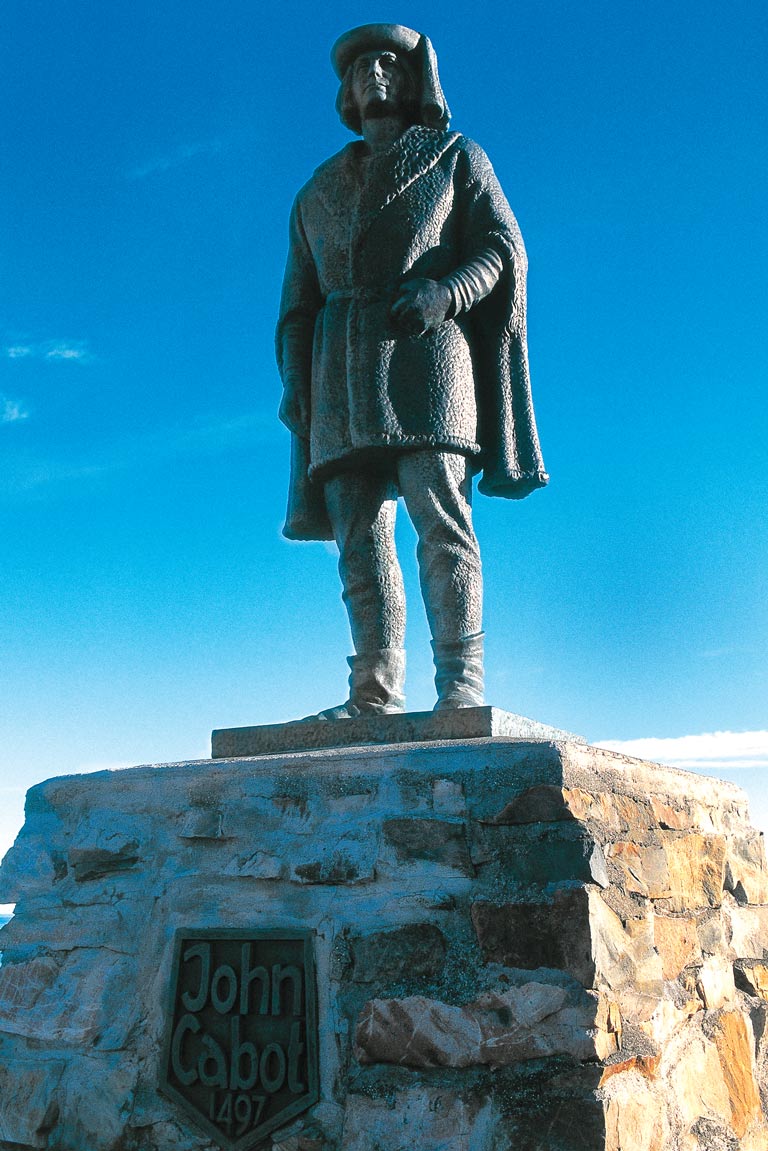
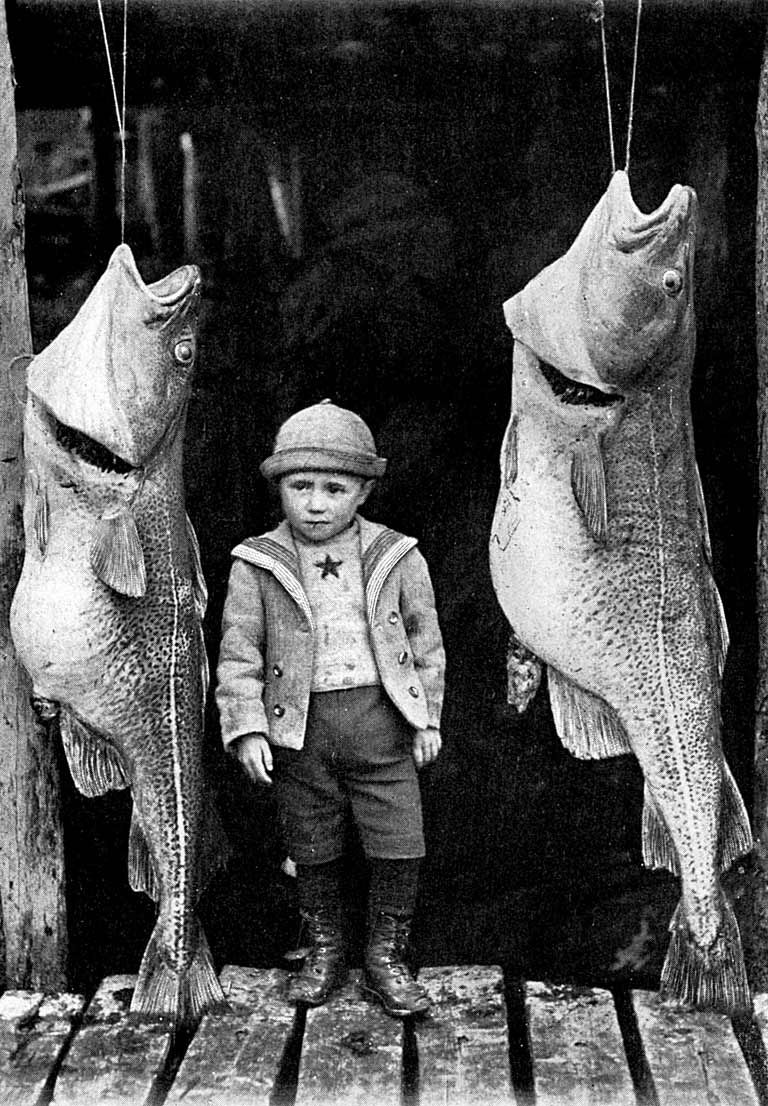
The rise and dramatic fall of Newfoundland and Labrador’s cod fishery dates back to John Cabot’s famed voyage in 1497, sailing west from Bristol, England, at the behest of King Henry VII in search of a shorter route to Asia. What he found instead was waters teeming with cod — so many that they slowed the progress of his boat. He would later tell an ambassador back in London that the cod were so plentiful that they could be caught by simply lowering baskets into the water.
Cabot’s discovery of what the King would call “New Found Launde” was not a “discovery” at all — Indigenous Peoples had lived there for centuries, the Vikings briefly landed 500 years earlier, and the Portuguese and Basque are thought to have fished the Grand Banks off Newfoundland before then. Yet, Cabot’s vivid tale of an unimaginable supply of cod spread quickly throughout Europe. Soon enough, fleets would begin arriving from England, Ireland, France, Spain and Portugal. In 1583, less than 100 years after Cabot’s arrival, Newfoundland became one of Britain’s first overseas colonies. A full-on cod rush was underway.
At first, the fishing was seasonal. Boats would arrive each spring so fishers could catch, salt and dry the cod to bring back to Europe. As demand grew, seasonal outposts became permanent settlements. By the 1880s, 200,000 people called Newfoundland home, lured by the promise of opportunity and adventure. Ninety per cent of the male workforce was employed in the fishery, and 90 per cent of the colony’s exports were fishing products. At its peak, Newfoundland was supplying more than half of all the fish eaten in Europe.
Then, in the beginning of the 20th century, the price of salted cod collapsed, forcing many fishers out of work and into debt. Yet, new technology that allowed fish to be frozen instead of salted soon revived the industry, as well as creating a big market in the United States. By the end of the Second World War, the cod fishery continued to be the main source of employment in coastal communities. In 1949, Newfoundland joined Canada and the fishery became a federal responsibility. That fact would play a key role in the crisis to come.
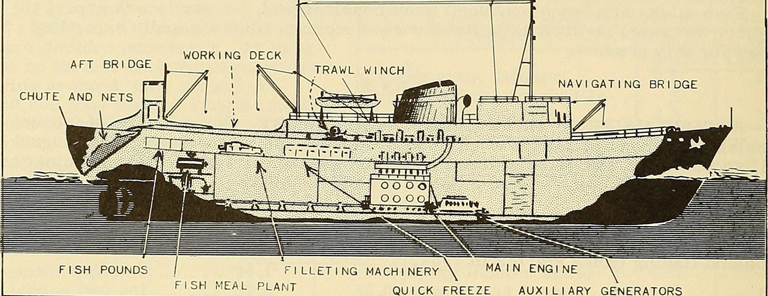
By the 1950s, smaller fishing boats gave way to new state-of-the-art factory-freezer trawlers. Essentially floating fish plants, these giant ships could process and freeze hundreds of tonnes of cod right on board, meaning they could stay at sea for months. The trawlers were equipped with advanced radar and sonar to locate fish with ease — and their gigantic nets dragged along the ocean floor, swallowing up everything in their path.
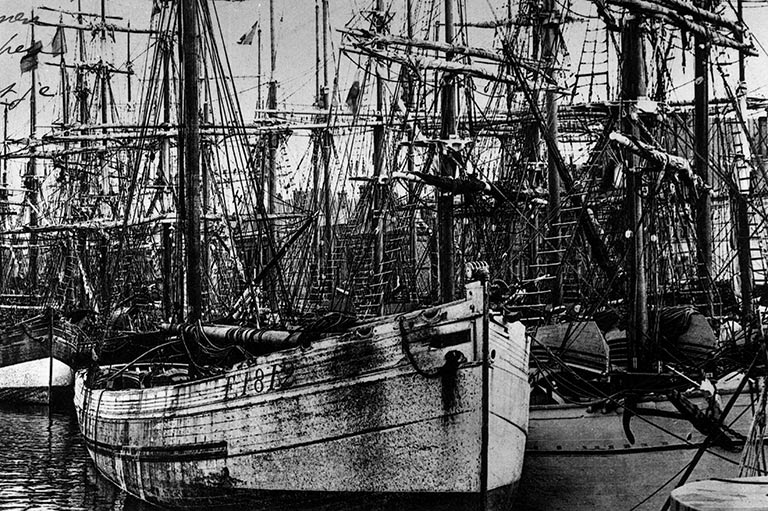
In 1949, Newfoundland joined Canada and the fishery became a federal responsibility
The first of those new trawlers — an 85-metre British vessel named Fairtry — arrived in 1954. Within a decade, nearly 1,000 trawlers from such fishing nations as France, Spain, Portugal, the Soviet Union, the United States and Canada were all patrolling the waters off Newfoundland, harvesting cod at an unprecedented scale.
Bigger ships and more efficient technology meant soaring catch rates. By one estimate, between 1960 and 1972, four to five billion cod were taken from the Grand Banks. In 1968 alone, trawlers caught an astronomical 810,000 tonnes off the coast of Newfoundland. The cod simply couldn’t reproduce as quickly as they were being fished, so stocks began to plummet.
In 1977, to push back offshore trawlers, Canada declared exclusive fishing rights within 200 nautical miles (370 kilometres) of its coastline. But the exclusive economic zone didn’t cover the entirety of the Grand Banks, leaving what’s called the “nose” and the “tail” exposed. Trawlers continued to fish in huge numbers just outside the zone — and sometimes within it — while inshore fishers ramped up their own catches in Canadian waters.
Better boats weren’t the only problem, either. Vessels from such countries as Spain began hiding their origin so they could deliberately skirt international catch quotas set for the Northwest Atlantic in 1970. Trawlers also ignored net-size regulations meant to protect smaller fish so they could reproduce and keep the species going. By the 1990s, the cod population had declined by as much as 95 per cent. The once-bountiful Grand Banks was gutted.
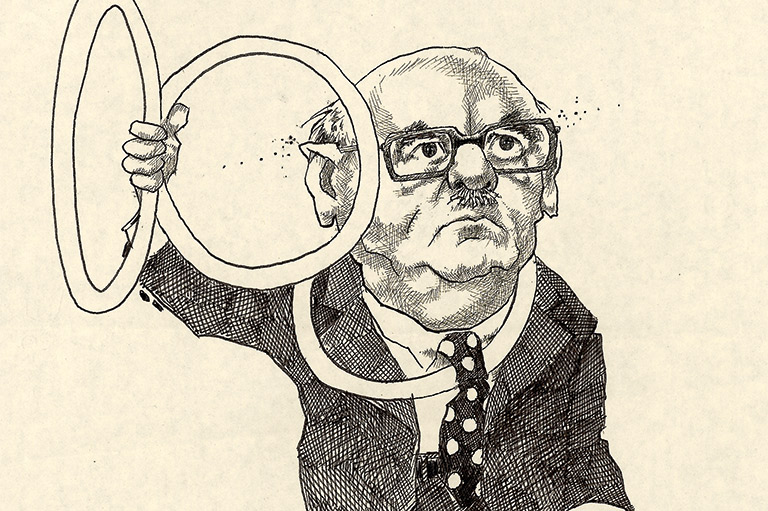
If the cod rush began with John Cabot’s voyage in 1497, it ended with another John nearly 500 years later — former federal fisheries minister John Crosbie.
Rumours of an impending moratorium were already swirling when Crosbie, who was born in St John’s, visited the fishing community of Bay Bulls — about 30 minutes south of St. John’s — for a Canada Day celebration in 1992. Almost immediately, Crosbie was surrounded by a mob of angry fishers and fish-plant workers demanding to know whether they would be allowed to continue fishing, just like their parents, grandparents and great-grandparents before them.
“Are you a Newfoundlander or is Ottawa more important?” a man in the crowd asked Crosbie. “This situation is not our fault!” a woman yelled. Boos and jeers erupted from the crowd.
Crosbie raised his voice: “Why are you yelling at me? I didn’t take the fish from the goddamn water, so don’t go abusing me.” That line would follow Crosbie for the rest of his life.
“You and your goddamn people took it!” yelled another fisher in a baseball hat, leaning in closer to Crosbie’s face.
“I’m trying to do what I can to help,” the minister retorted.
“You’re doing shit all!” the man in the hat yelled. As Crosbie walked away, a makeshift noose dangled above his head.
Less than 24 hours later at a St. John’s hotel, Crosbie made it official. There would be an immediate ban on cod fishing off the coast of Newfoundland and Labrador. Crosbie would later call the announcement the toughest decision of his political life. For hundreds of communities and thousands of fishing families, it was an absolute catastrophe.
Subscribe to Canada's History
Save as much as 40% off the cover price! 4 issues per year as low as $29.95. Available in print and digital. Tariff-exempt!
Clyde Wells, Newfoundland and Labrador’s premier at the time, doesn’t begrudge Crosbie for making the difficult announcement, but he understands the visceral reaction of the fishers. “[Fishing] was the only thing they did, the only thing they knew how to do,” he says. “They had to think of their families and their communities and the fish plants that depended on those cod stocks all around the province. It was a devastating impact.”
As disastrous as the news was, it was no surprise to local fishers that overfishing was endangering the cod. They had been noticing for years that stocks were falling, that the cod were getting smaller and harder to find. Yet, when fishers raised the issue, the Department of Fisheries and Oceans (DFO) insisted there was no problem, citing the massive catches of the large offshore trawlers.
“[The inshore fishers’] complaint was ‘You can’t catch the same fish twice,’” Wells recalls. “We’d tell the federal government, ‘If you’re going to catch the fish offshore, it won’t be there inshore.’”
That disconnect between policymakers in Ottawa and what was happening out on the water led the DFO to overestimate the cod population by as much as 100 per cent — based on what the trawlers were catching — then to set quotas for Canadian waters that were too large to maintain a healthy stock. Wells notes that the federal government also faced immense pressure to not reduce fishing quotas.
Ask a Newfoundlander who’s to blame for the collapse of the cod and you’ll get many answers. Brian Tobin — who became the federal fisheries minister a year after the moratorium began — believes the mistakes made in the management of the cod fishery pale in comparison to the recklessness of the offshore trawlers.
“I think Newfoundlanders and Labradorians are honest enough to say that we were not 100 per cent innocent in the way we practised the fishery,” says Tobin, who would go on to become the province’s premier in 1996. “But when you compare that to hundreds of factory-freezer trawlers sitting just outside the 200-mile limit or sneaking over the 200-mile limit and taking massive amounts of fish, the problem was that the world came and feasted at our table — and left nothing behind.”
To this day, the 1992 cod moratorium remains the largest mass layoff in Canadian history. Between 30,000 and 40,000 people lost their jobs in an instant. Even more found themselves unemployed in the years that followed, including those in industries that supported fishing communities — from grocers to construction workers. The federal government introduced compensation and retraining programs to lessen the blow, but fishers saw them as inadequate and the programs had little success in preparing people to start a whole new life from scratch.
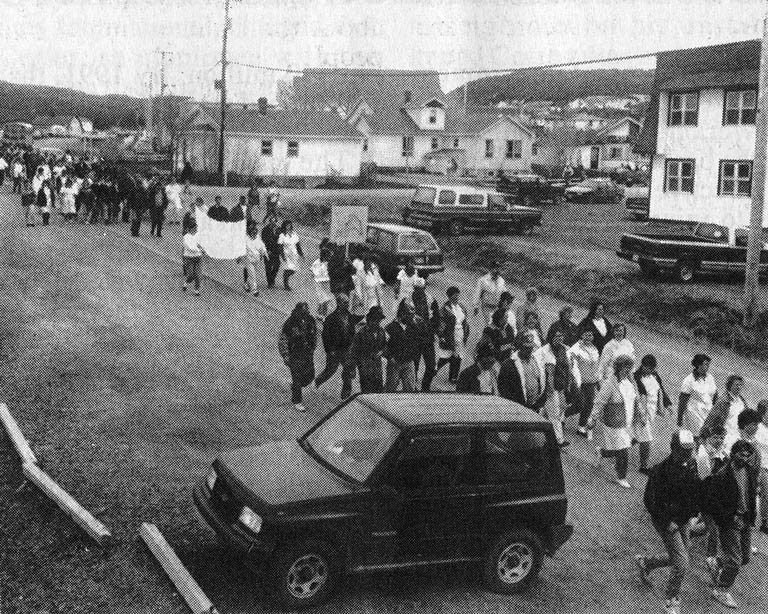
“I think Newfoundlanders and Labradorians are honest enough to say that we were not 100 per cent innocent in the way we practised the fishery”
In the years that followed, some fishers moved on to shellfish — mainly shrimp and crab — while others managed to find work in new fields. But many left the province entirely. And it wasn’t just fishers who left: within a decade, a full 10 per cent of the province was gone.
Bruce Miller is one of those who stayed. Like so many people in Newfoundland and Labrador, he quit school at age 14 to fish cod. Now 67, Miller grew up in the small fishing community of New Bonaventure, off Trinity Bay. He now lives in Dunfield, about 15 minutes away. Standing in his grandfather’s old fishing stage — a small wooden shack on the shore where cod was traditionally gutted — Miller reflects on the old days and what the moratorium meant to fishers like him.
“I’ve never done anything in my life that I liked better than fishing,” he says. “We were happy living the simple life. Once the moratorium came in, all those jobs were gone.”
A bad shoulder forced him out of the water before the moratorium hit, yet he still recalls how the announcement changed people forever, as he puts it, and how unfair it felt for smallscale inshore fishers across the province. “For Canada and Newfoundland to let it happen, to destroy the best renewable resource in the world [to the point] where there’s nobody living in little communities, it still blows my mind.”
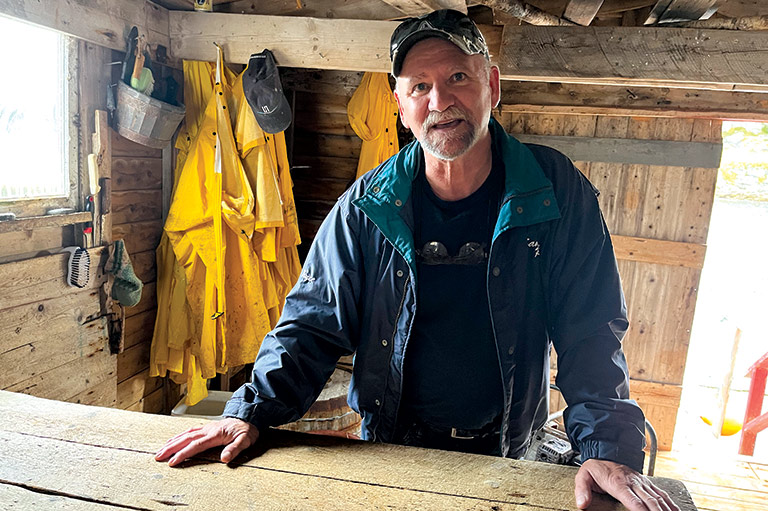
There are only 30 full-time residents left in New Bonaventure, and most are in their 50s and 60s. The community’s only store is long gone and the road into town is falling apart. The wharf — once a bustling centre of life — is now quiet, a relic of a time past. The same scene is repeated all along Newfoundland’s coast, where many communities have become shells of their former selves as people have left in search of work elsewhere. Miller’s own children are gone, too; while his daughter is still in the province, in St. John’s, his son is now in Fort McMurray, Alta.
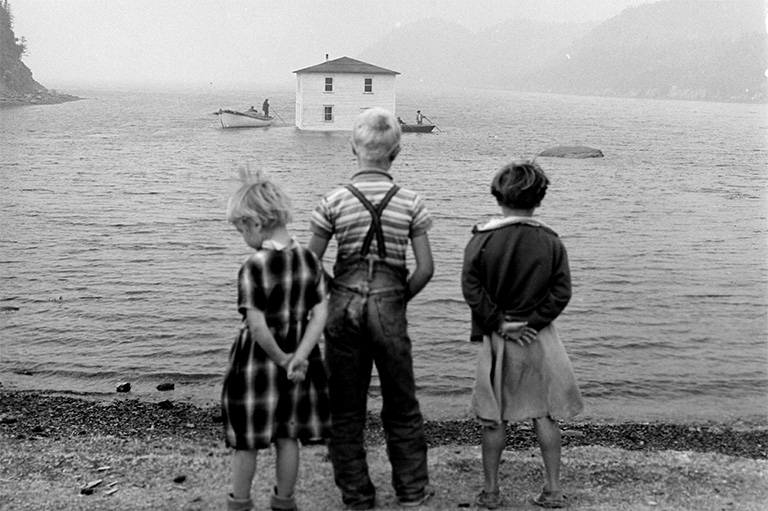
Until recently, Miller ran a boat tour where he would talk to visitors about the fishery, show them traditional methods of gutting and salting, and explain the resettlement programs launched by former premier Joey Smallwood. The legacy of those resettlements — of moving and abandoning entire fishing communities that weren’t economically viable — is complex in Newfoundland and Labrador. With a population that continues to age rapidly following years of out-migration, it’s a legacy that’s become familiar once again. Since 2000, nine communities have voted to resettle, including Great Harbour Deep, Snook’s Arm and Tilt Cove.
That harsh reality makes Miller nervous. “If you lose rural Newfoundland, if you lose these communities, you lose what we’ve got,” he says. “You lose the Newfoundland culture and the Newfoundland slang. I’m terribly worried about it, and I see it happening.”
Though not all fishing communities have been resigned to that fate. The end of the cod fishery hit Elliston hard. Young families began leaving. Businesses closed their doors. Many of those who stayed couldn’t afford to pay their bills. With a shrinking tax base and few options, the town council decided in 1994 to turn off its street lights to save money. It was a dark moment for the town — literally and figuratively — and it made national news.
But within a few years, they had a plan. Seven volunteers got together to brainstorm what the community could do next. Marilyn Coles-Hayley, one of those people, remembers papers overflowing with ideas that night. Eventually, they decided Elliston would market itself as a tourist destination — and Tourism Elliston was born.
Coles-Hayley, who has chaired Tourism Elliston since that first meeting, says authenticity was the key. “We wanted it to be true to who we are, and we wanted to represent our culture,” she explains. “We wanted people to get a true sense of what living on the island has meant for all of us.”
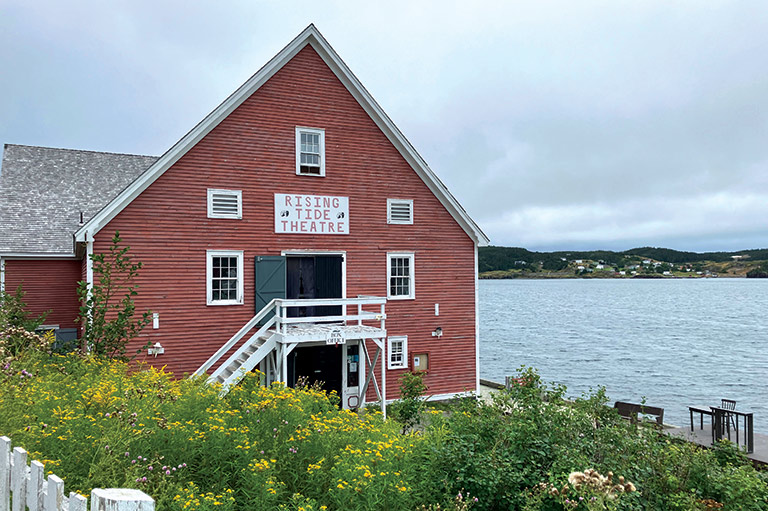
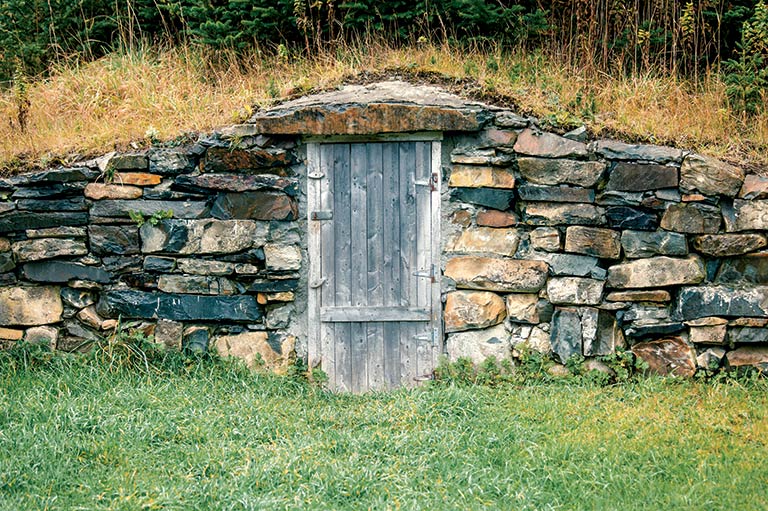
The group began restoring the town’s root cellars, eventually declaring itself the “Root Cellar Capital of the World.” They launched the Bird Island Puffin Festival to celebrate Elliston’s location as one of North America’s best spots to catch a glimpse of the iconic black, white and orange seabird. They started local businesses, too; first a craft store, then a restaurant. Over time, the private sector began investing in the community — artisan shops, restaurants and local accommodations. In 2009, Elliston hosted its first two-day Roots, Rants and Roars food festival that celebrates local culture. A decade later, the U.K.’s Daily Mail declared it one of the best culinary festivals in the world.
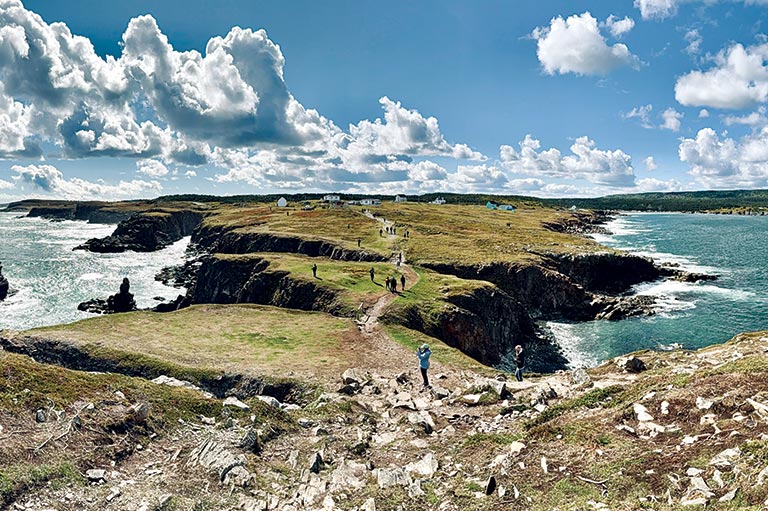
Tourism is now a billion-dollar industry in Newfoundland and Labrador — one that supports more than 20,000 jobs. In places like Elliston, it’s given people and communities a chance to reinvent themselves and regain control of their future. Coles-Hayley says that the loss of the cod fishery will always be felt. The town’s population — roughly 700 people in the mid-1950s — has dropped to just 315 today. Yet, she notes, tourism has helped bring excitement and hope to the community once again.
“We’re in a good place now,” says Coles- Hayley. “One of our goals is to build a community that people will want to live in and that people will want to come to. And we’re seeing that now. It’s so great to see that your community is alive.”
It’s been more than three decades since Newfoundland and Labrador’s once-iconic cod fishers pulled their boats out of the water — many for the last time. In 2006, the DFO launched what it called a stewardship fishery, allowing for very limited and tightly controlled fishing. Meanwhile, industries such as offshore oil and gas, mining, shellfish, technology and innovation, tourism and the arts have all brought opportunities to a new generation whose only real connection to cod comes from the stories their parents and grandparents tell.
The moratorium that was supposed to last two years still elicits deep emotions across the province and significant political interest in Ottawa. In June 2024, the federal government declared that it was finally lifting the northern cod moratorium after 32 years. The federal fisheries minister at the time, Diane Lebouthillier, called it “a historic milestone.” The government also said it would increase catch quotas, known as the total allowable catch. The decision came after the DFO changed how it evaluates northern cod stock and updated its status to “cautious zone” from “critical zone.”
Despite the moratorium’s hardships, its end has also been controversial. The prospect of large offshore trawlers returning to the Northwest Atlantic Ocean to fish for cod has left people many worried. Fisheries scientists, as well as the province’s main fisheries union, warned that ending the moratorium prematurely could jeopardize the long-term rebuilding of the northern cod population. The DFO’s own analysis shows that northern cod stock hasn’t changed much since 2016.
Whatever happens next, the scars of the cod moratorium and the out-migration that followed remain. For former premier Wells, there are lessons in the mistakes and the pain of the past that he says his province and the rest of Canada can learn from.

“One would hope that the number 1 legacy [of the moratorium] is a recognition that you can’t carry on economic activity to the destruction of a renewable natural resource,” says Wells. “If you do, you’re not only going to destroy the resource, you’re going to destroy the economy that flows from it.”
Miller has a similar perspective.
“The want for more money, the want for more things — the prosperity of it all — is what drove everybody foolish and got things lost that we can never get back,” he says. “You didn’t need to catch it that goddamn fast for everybody to make a living. Nobody stopped to think, ‘There’s not going to be anything left.’”
Despite everything that’s happened, Miller and his wife, Bernice, intend to stay in rural Newfoundland. He wants to keep the traditional ways of life going, even if it’s just by sharing stories about them. “I’m going to live here as long as I can,” he says. “I’ve got two little grandsons. I’d like for them to know where they came from and to be able to come back here to this.”
“The want for more money, the want for more things — the prosperity of it all — is what drove everybody foolish and got things lost that we can never get back”
Help keep Canada’s stories true, strong, and free
We hope you’ll help us continue to share fascinating stories about Canada’s past by making a donation to Canada’s History Society today.
We highlight our nation’s diverse past by telling stories that illuminate the people, places, and events that unite us as Canadians, and by making those stories accessible to everyone through our free online content.
We are a registered charity that depends on contributions from readers like you to share inspiring and informative stories with students and citizens of all ages — award-winning stories written by Canada’s top historians, authors, journalists, and history enthusiasts.
Any amount helps, or better yet, start a monthly donation today. Your support makes all the difference. Thank you!