Your history. Your inbox.
7 uniquely curated newsletters to choose from.


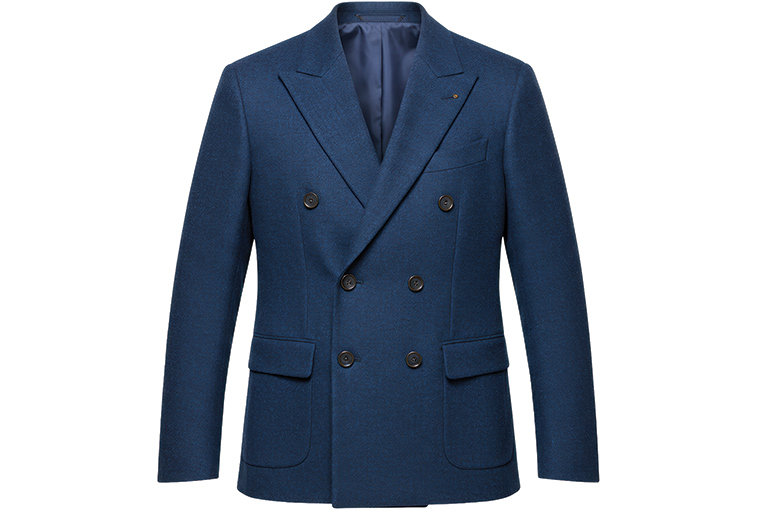
Financial cores across the country are awash in double-breasted suits again. Pandemic-era athleisure has been shelved; back-to-the-office is the unspoken message.
Originally adapted from sailors’ “reefer” coats, the double-breasted jacket was first worn by 19th-century British aristocrats for sporting pursuits. Its hallmarks (broad peaked lapels, overlapping front panels closed by four to six buttons) became a craze in the 1920s, when Edward, then Prince of Wales — and a well-known clotheshorse — favoured the look. Jazz players and wannabe musicians helped bring the dapper suiting to this side of the pond in swank venues such as the Town Tavern and El Mocambo in Toronto, and Chez Paree and Cafe St-Michel in Montreal. As the legendary Canadian jazz pianist Oscar Peterson once quipped: “They think that putting on a porkpie hat and a double-breasted suit and holding a tenor saxophone makes them a swing group, but it doesn’t.”

With 7 uniquely curated newsletters to choose from, we have something for everyone.
The trend soon trickled down to department stores across Canada, including such specialty shops as Montreal’s Jack Victor.
The advent of slim silhouettes coupled with the neat-and-tidy 1960s marked the suit’s demise, and the 1970s ushered in flared trousers and wide lapels. But the double-breasted style boldly returned in the ’80s, inspired in part by Oliver Stone’s ’87 film, Wall Street, starring Michael Douglas and Charlie Sheen. More recently, the Toronto-filmed TV show Suits featured power-player lawyer Harvey Specter (played by Gabriel Macht) and his closetful of exquisitely tailored versions.
While last year’s red carpets and runways were full of double-breasted peacoat options, it’s on the street where this revival matters. And there, it seems the double-breasted suit is back in business.
We hope you’ll help us continue to share fascinating stories about Canada’s past by making a donation to Canada’s History Society today.
We highlight our nation’s diverse past by telling stories that illuminate the people, places, and events that unite us as Canadians, and by making those stories accessible to everyone through our free online content.
We are a registered charity that depends on contributions from readers like you to share inspiring and informative stories with students and citizens of all ages — award-winning stories written by Canada’s top historians, authors, journalists, and history enthusiasts.
Any amount helps, or better yet, start a monthly donation today. Your support makes all the difference. Thank you!
Advertisement