Your history. Your inbox.
7 uniquely curated newsletters to choose from.


The waters that surround Canada’s most easterly province are dotted with dories in the summer months. They’re jigging cod, which, despite the 1992 moratorium and limits on commercial and recreational fisheries, remains king in Newfoundland and Labrador.
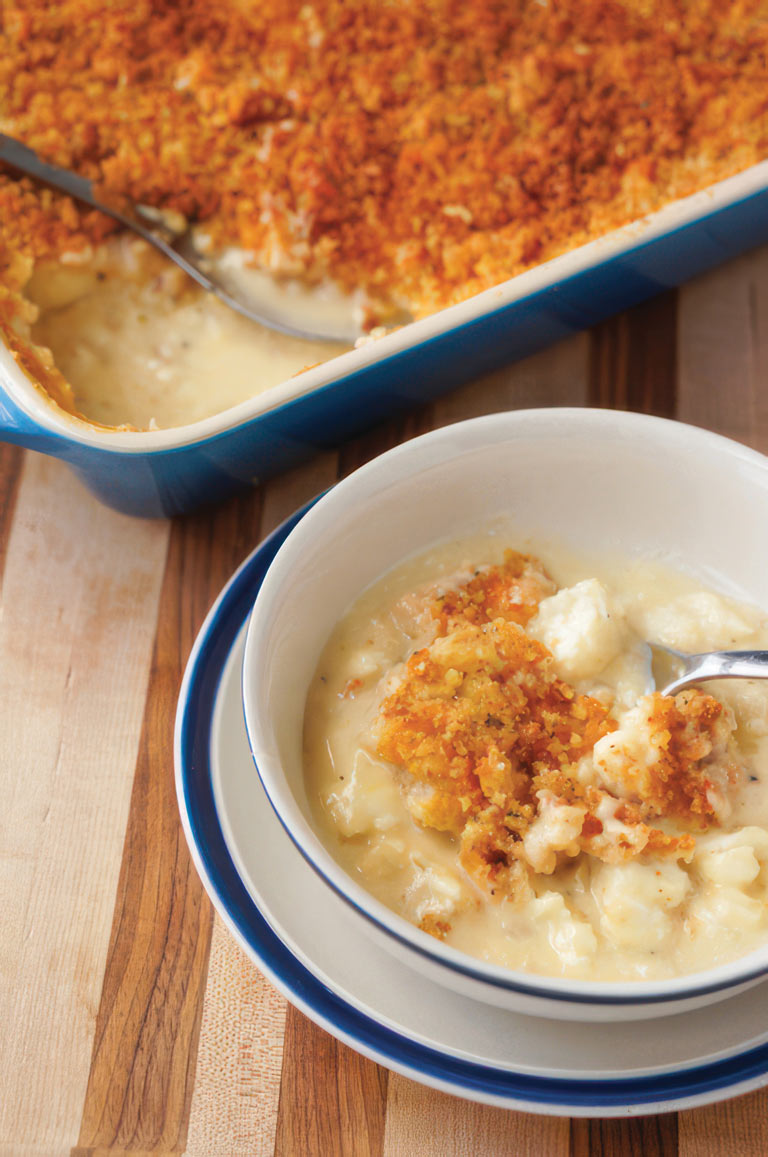
It’s so ubiquitous that “fish” almost always means “cod” there. Cod au gratin, a comforting cheesy fish casserole, is beloved across the province and works well with both fresh and frozen cod; it’s appreciated year-round, though especially at Christmas time. It’s a staple on restaurant menus and often found bubbling in Nan’s oven on Christmas Eve.

With 7 uniquely curated newsletters to choose from, we have something for everyone.
Some think the first appearance of a written cod au gratin recipe was in the seminal cookbook Fat‑Back & Molasses: A Collection of Favourite Old Recipes from Newfoundland & Labrador by Rev. Ivan F. Jesperson, published in 1974. But many iterations with a variety of names appeared earlier in community cookbooks, church publications and newspapers across the province. The Nov. 10, 1933, column “Dietetics for the Home” in Corner Brook’s Western Star features a recipe for “Cod Fish au Gratin.” In St. John’s, a 1939 Observer’s Weekly column titled “Features of Interest to Women” included a recipe for “Cod and Cheese au Gratin” in a multi-page spread on the importance of eating fish. This was likely an unnecessary nudge, since the 1935 census notes Newfoundlanders were eating 40 pounds of cod a year, “ninth among the fish-eating countries of the world.”
The Treasury of Newfoundland Dishes was first published in 1958 by the Maple Leaf Milling Company and the recipe for “Codfish au Gratin Casserole” appeared there as well as in subsequent editions. At the start of the fish section, editor Sally West wrote: “Folks with a love of the sea are always noted for their excellent fish dishes, and here’s where Newfoundland cooking comes into its own.” The cookbook contains 51 fishy recipes; 21 are cod-based.
Regardless of its culinary historiography, cod au gratin has been a staple for home cooks and restaurants for almost 100 years. The now-closed St. John’s restaurant Bacalao garnered fame for its fancification of the dish in the late 2000s, but these days, most local grocery stores have a high-end version to take home and bake.
Advertisement
Prep time: 30 minutes | Total time: 1 hour 15 minutes
Servings: 4 to 6
▢ 1½ lb cod fillets, skinned, deboned and cut in bite-size chunks
▢ ¼ tsp salt, divided
▢ ¼ tsp pepper, divided
▢ 1 tbsp olive oil
▢ 1 onion, diced
▢ 5 tbsp salted butter, divided
▢ 3 tbsp flour
▢ 2 cups milk
▢ 1 tbsp lemon zest, divided
▢ 1 tsp dried oregano, divided
▢ 2 cups grated cheddar cheese, divided
▢ 1 cup grated Parmesan cheese, divided
▢ 1 cup dried bread crumbs
We hope you’ll help us continue to share fascinating stories about Canada’s past by making a donation to Canada’s History Society today.
We highlight our nation’s diverse past by telling stories that illuminate the people, places, and events that unite us as Canadians, and by making those stories accessible to everyone through our free online content.
We are a registered charity that depends on contributions from readers like you to share inspiring and informative stories with students and citizens of all ages — award-winning stories written by Canada’s top historians, authors, journalists, and history enthusiasts.
Any amount helps, or better yet, start a monthly donation today. Your support makes all the difference. Thank you!
Advertisement