Claybank Brick Plant National Historic Site

Nestled against the dramatic backdrop of the Dirt Hills in southern Saskatchewan, this place offers one of the most visited and intact glimpses into Canada’s early industrial era
Published with permission from the National Trust for Canada Posted May 19, 2026

Location

Claybank, SK

Why it matters

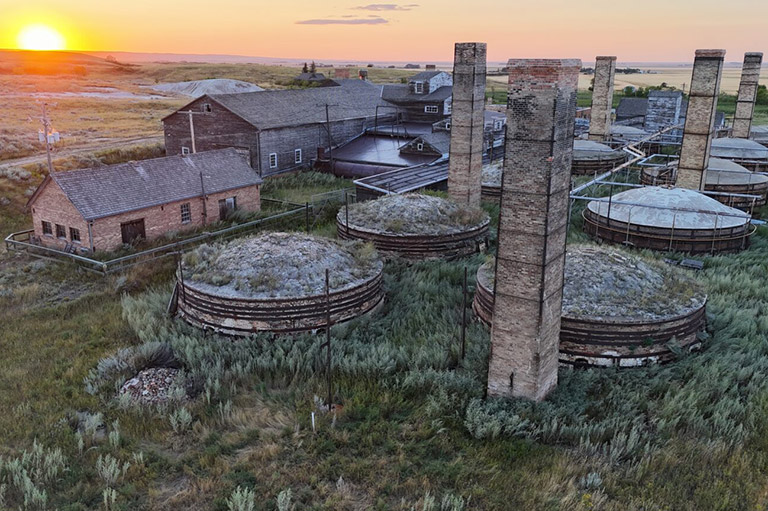
Nestled against the dramatic backdrop of the Dirt Hills in southern Saskatchewan, the Claybank Brick Plant National Historic Site offers one of the most visited and intact glimpses into Canada’s early industrial era. In operation from 1914 to 1989, the plant produced some of the highest-quality firebrick and face brick in North America — materials used in everything from steam locomotives and steel mills to iconic buildings like Quebec City’s Château Frontenac. Today, it stands as one of the country’s most complete and significant examples of early 20th-century brick manufacturing.

Recognized for both its provincial and national importance, the site holds multiple heritage designations and has benefited from extensive conservation work. Since the early 1990s, nearly $3.8 million has been invested in preserving its buildings and historic kilns — including more than $2.1 million from the Government of Saskatchewan.

Article continues below...

Your history. Your inbox.

With 7 uniquely curated newsletters to choose from, we have something for everyone.

Why it's endangered

Despite these efforts, the future of the Claybank Brick Plant remains uncertain. Lacking a sustainable long-term funding model, the site has slipped into growing disrepair. Maintenance now relies almost entirely on a small group of committed volunteers working with limited resources. Without renewed public investment and a coordinated stewardship strategy, this important industrial heritage site is at risk being lost.

Advertisement

The 2025 Endangered List includes:

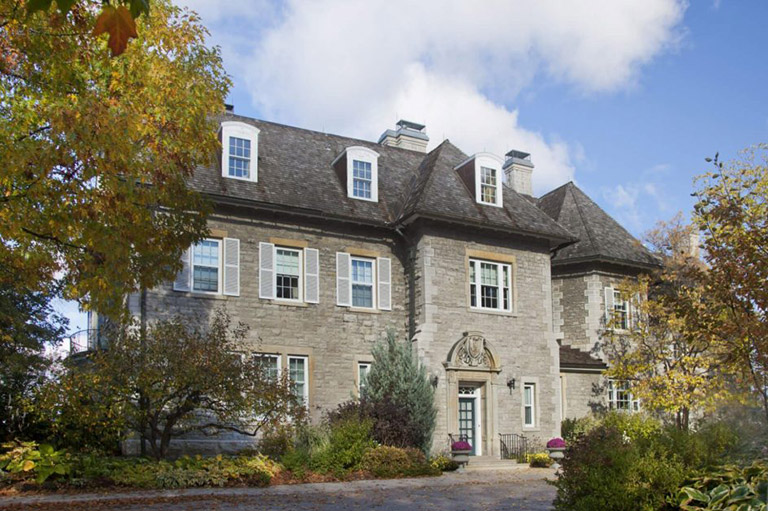
24 Sussex

24 Sussex Drive is arguably the best-known address in Canada, and is the official residence of our prime minister.

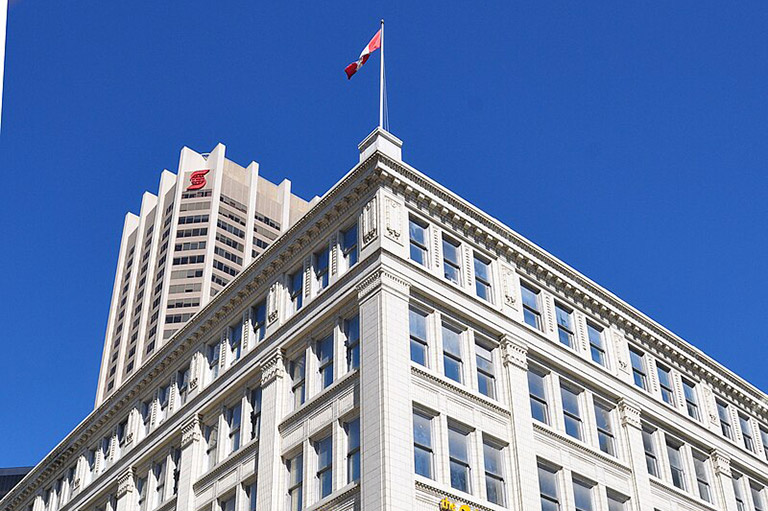
Hudson’s Bay Building

The Calgary HBC Building is one of the most architecturally and historically significant commercial buildings in western Canada.

Dr. Martin Murphy House

Originally a modest one-and-a-half-storey dwelling, the house took its name from a prominent city engineer who purchased the property in 1877.

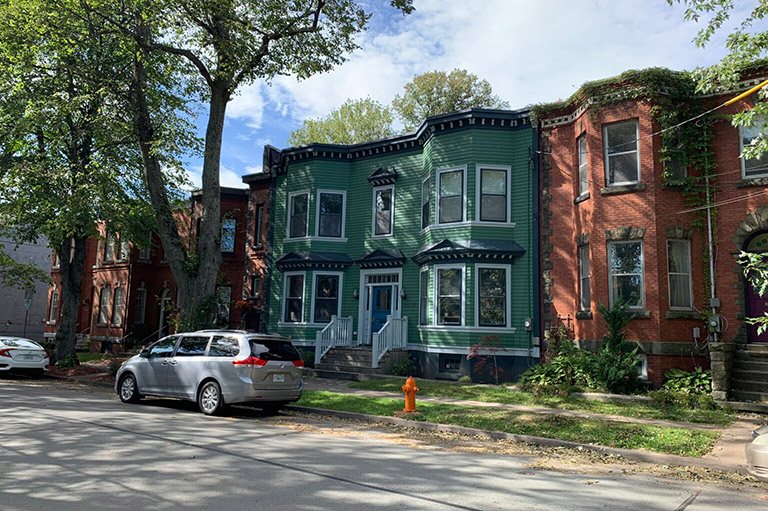
500 Lot Area

The neighbourhood is home to some of the city’s oldest, as well as most architecturally and culturally significant buildings.

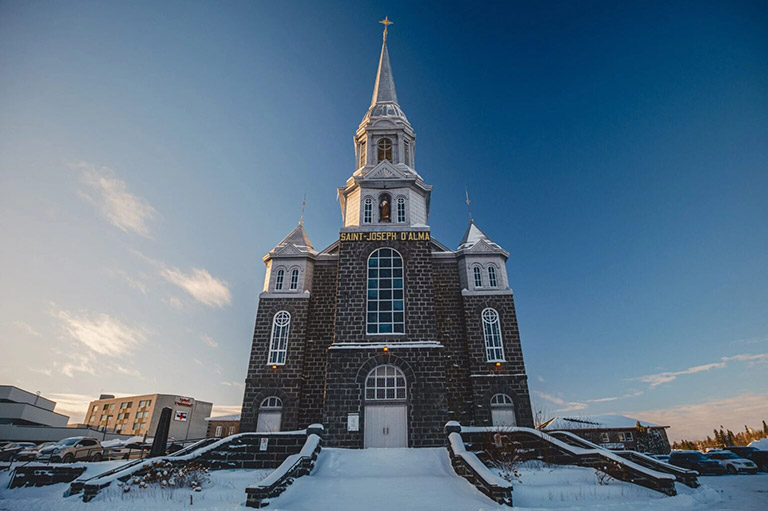
Saint Joseph d’Alma

 The church is a striking example of early 20th-century religious architecture.

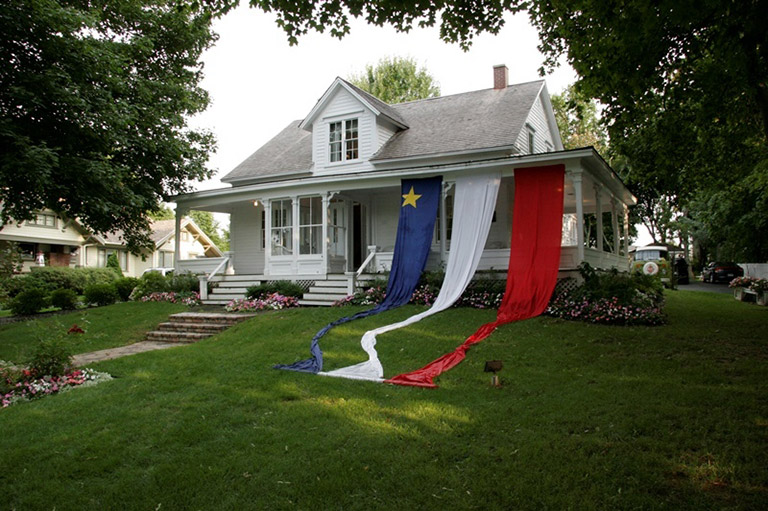
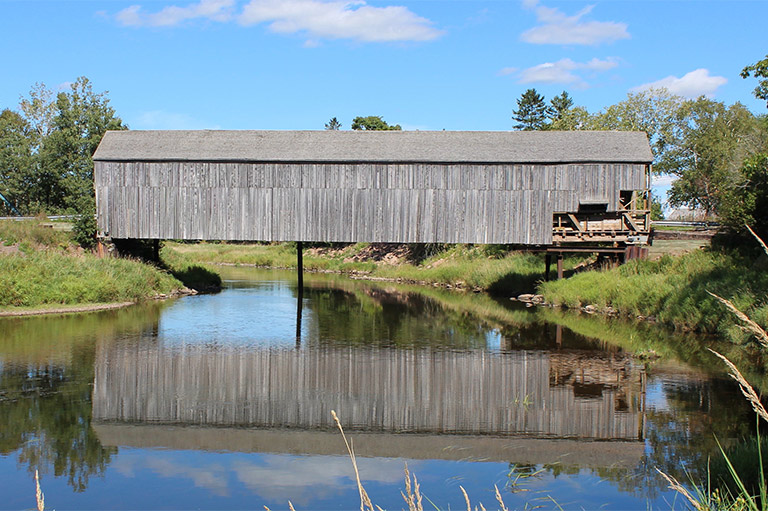
Pascal Poirier House

Built in 1825, the Pascal Poirier House is the oldest surviving home in Shediac, New Brunswick.

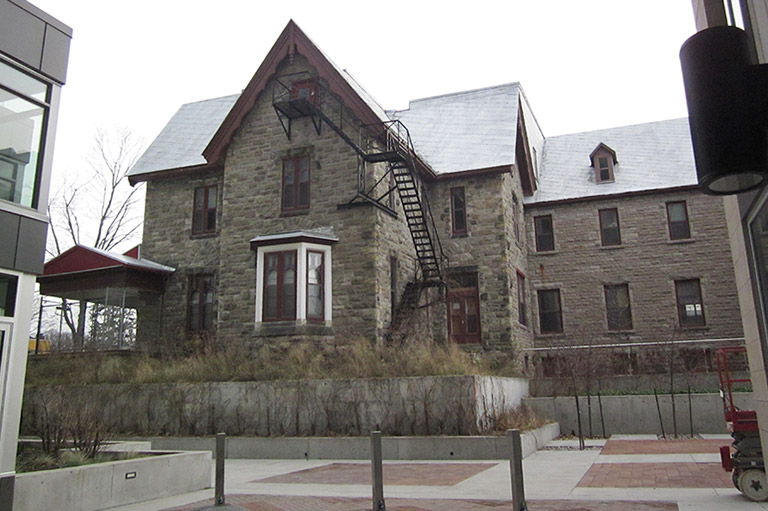
Sisters of the Visitation Convent

Known locally as “The Elms," the former Sisters of the Visitation Convent is a rare and striking example of Gothic Revival vernacular architecture in Ottawa.

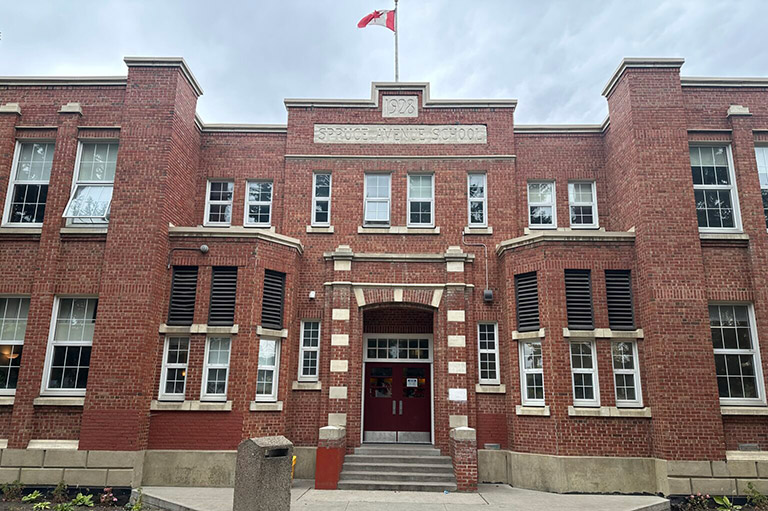
Spruce Avenue School

Built in 1928, this is a two-storey brick building that stands as a lasting example of early 20th-century institutional architecture in Edmonton’s historic north-central neighbourhood.

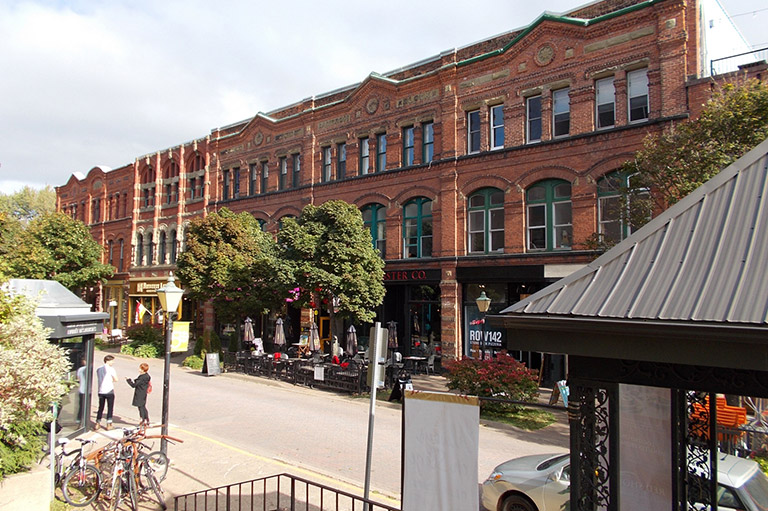
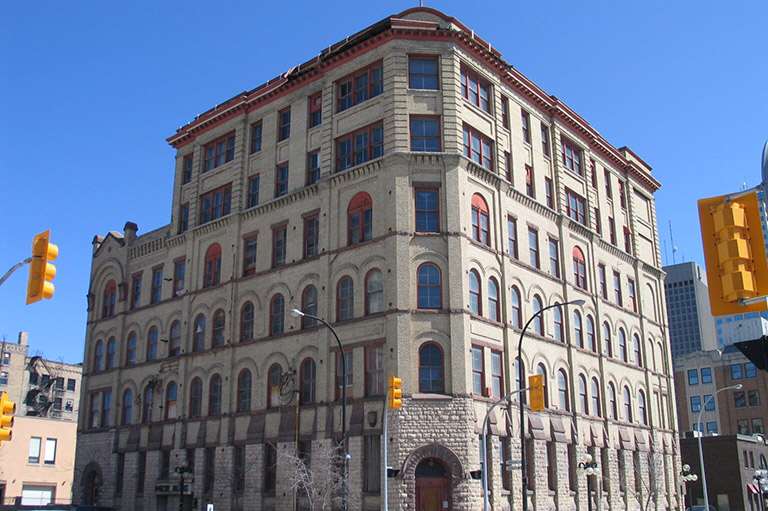
Peck Building

Standing on the prominent corner of Notre Dame Avenue and Princess Street in Winnipeg’s Exchange District National Historic Site, the six-storey Peck Building is a distinguished example of Romanesque Revival Architecture.
Every year, the National Trust for Canada publishes its Endangered Places List as part of its mission to bring people together to care for and promote heritage places.

The National Trust Endangered Places List is compiled from reports and news items the National Trust has been following throughout the year. First published in 2005, the National Trust Endangered Places List has become a powerful tool in the fight to make landmarks, not landfill.

The National Trust believes that heritage places are a catalyst for sustainable, livable, lovable communities, yet every year, more are lost due to factors like neglect, lack of funding, and weak legislation. By shining a spotlight on places at risk, the Endangered Places List raises awareness and bolsters the efforts of local heritage groups working to save them.

Related to Historic Sites