Your history. Your inbox.
7 uniquely curated newsletters to choose from.


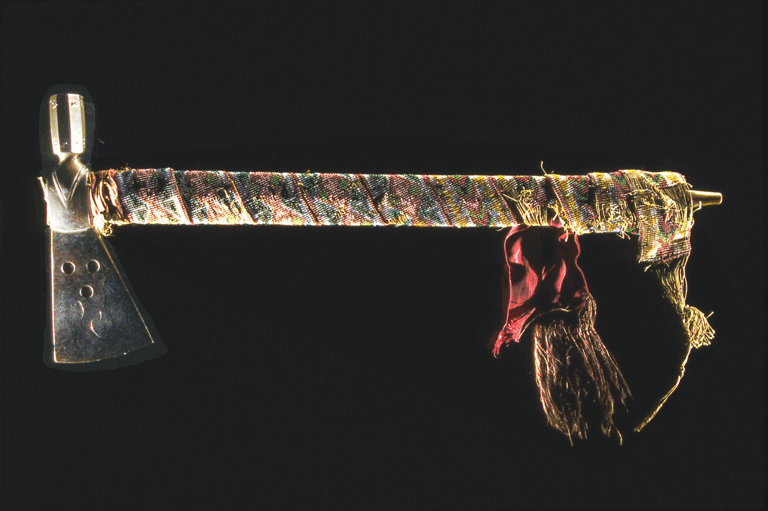
The pipe tomahawk served many purposes. Its hollow wooden handle and the pipe bowl on one side of the head allowed it to be used as a ceremonial smoking pipe, while the other side was a blade, allowing it to become a weapon with just a flip of the wrist.
Believed to have been developed by a blacksmith from England, this dual-purpose invention was highly valued by Indigenous traders. It represented the complex relationship between their communities and Europeans — which included both war and peace.
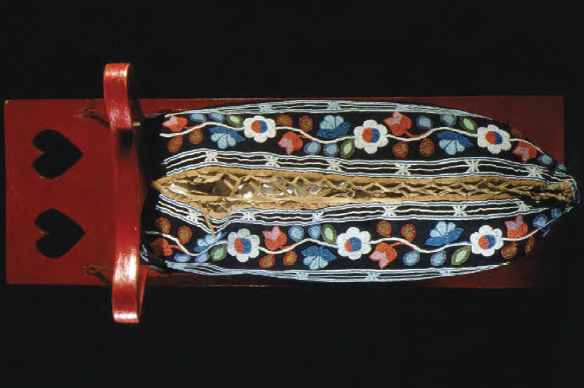
The nineteenth-century pipe tomahawk pictured here, though, would have been used only for special occasions. It features intricate glass beadwork made by an Indigenous woman on a loom, and its blade has three small holes. Pipe stems were often decorated with carvings, porcupine quills, or horsehair, and more ornate pipe tomahawks were a sign of prestige.
Many were presented as gifts to Indigenous leaders when negotiating trading relationships.
Advertisement