Your history. Your inbox.
7 uniquely curated newsletters to choose from.


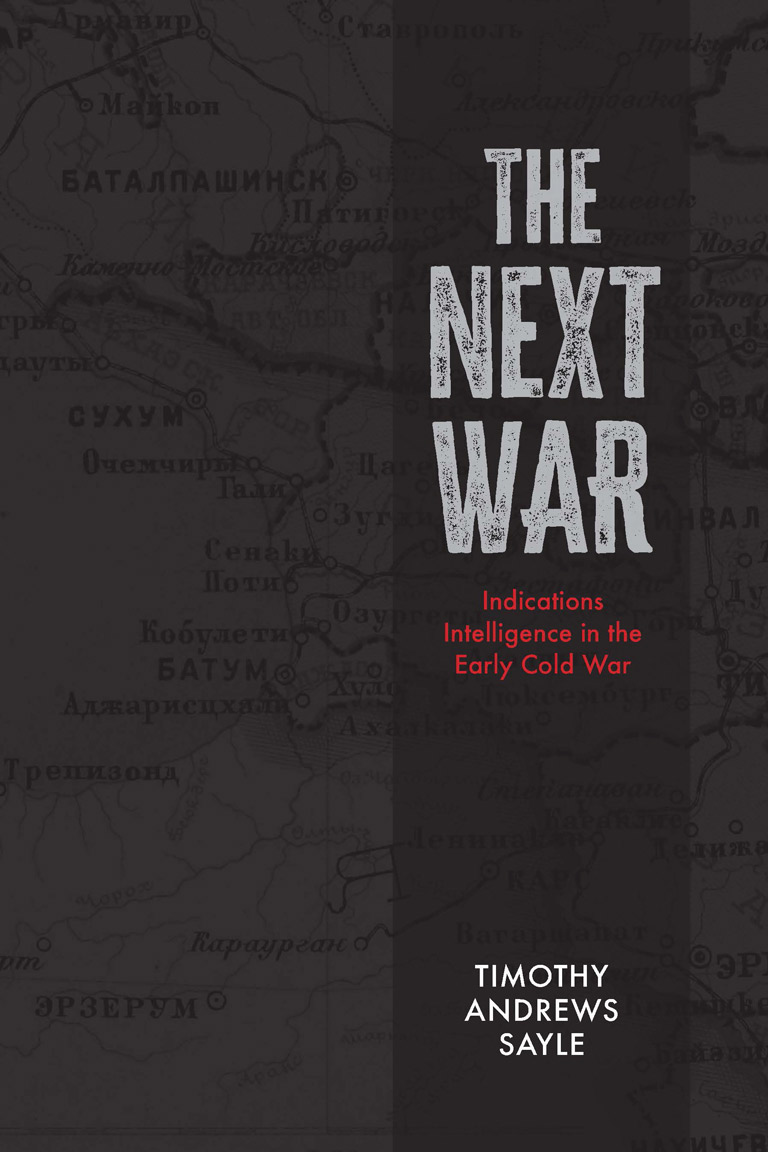
The Next War: Indications Intelligence in the Early Cold War
by Timothy Andrews Sayle
University of Calgary Press
256 pages, $38.99
The Cold War began in earnest in March 1947, about two years after cipher clerk Igor Gouzenko defected from the Soviet (now Russian) Embassy in Ottawa and began naming names. During that time, intelligence officials in the United Kingdom, the United States and Canada hunted for evidence that the Soviets were planning a nuclear attack.
In The Next War, historian Timothy Andrews Sayle provides us with a forensic look at the process of informing the leaders of all three countries of an “imminence of war.” Sayle guides us through top-secret documents that each nation developed to reveal “indicators” of “any impending Soviet attack.”
Sayle guides us through top-secret attack-detecting documents
It all seems creepily like an insider view of Dr. Strangelove’s war room in the 1964 Stanley Kubrick movie of the same name. Each year from the end of the Second World War, specialists mapped out scenarios — called “appreciations” or “assessments” — to help leaders prepare for an assumed “general war.”

With 7 uniquely curated newsletters to choose from, we have something for everyone.
“Indications intelligence” continually grew more sophisticated. When the Soviets detonated their first atomic bomb in 1949, the stakes went up. Then, the Korean War in 1950 led some to assume the Soviets were planning a “regional war.” The Cuban Missile Crisis in October 1962 further fed the desire to find indicators.
Sayle reveals the fissures in the process, with Canada often on the outside looking in as other representatives shared top-secret documents. Thanks to future prime minister Lester B. Pearson and others, the door wasn’t shut tight and Canada was able to play its part in defending democracy against an imagined communist threat.
While this new chapter in Cold War literature may not be the stuff of a John le Carr. spy novel, it will serve as a welcome sourcebook for other historians; it could also help general readers better understand the risk inherent in this current era of strongman leaders.
We hope you’ll help us continue to share fascinating stories about Canada’s past by making a donation to Canada’s History Society today.
We highlight our nation’s diverse past by telling stories that illuminate the people, places, and events that unite us as Canadians, and by making those stories accessible to everyone through our free online content.
We are a registered charity that depends on contributions from readers like you to share inspiring and informative stories with students and citizens of all ages — award-winning stories written by Canada’s top historians, authors, journalists, and history enthusiasts.
Any amount helps, or better yet, start a monthly donation today. Your support makes all the difference. Thank you!
Advertisement