Your history. Your inbox.
7 uniquely curated newsletters to choose from.


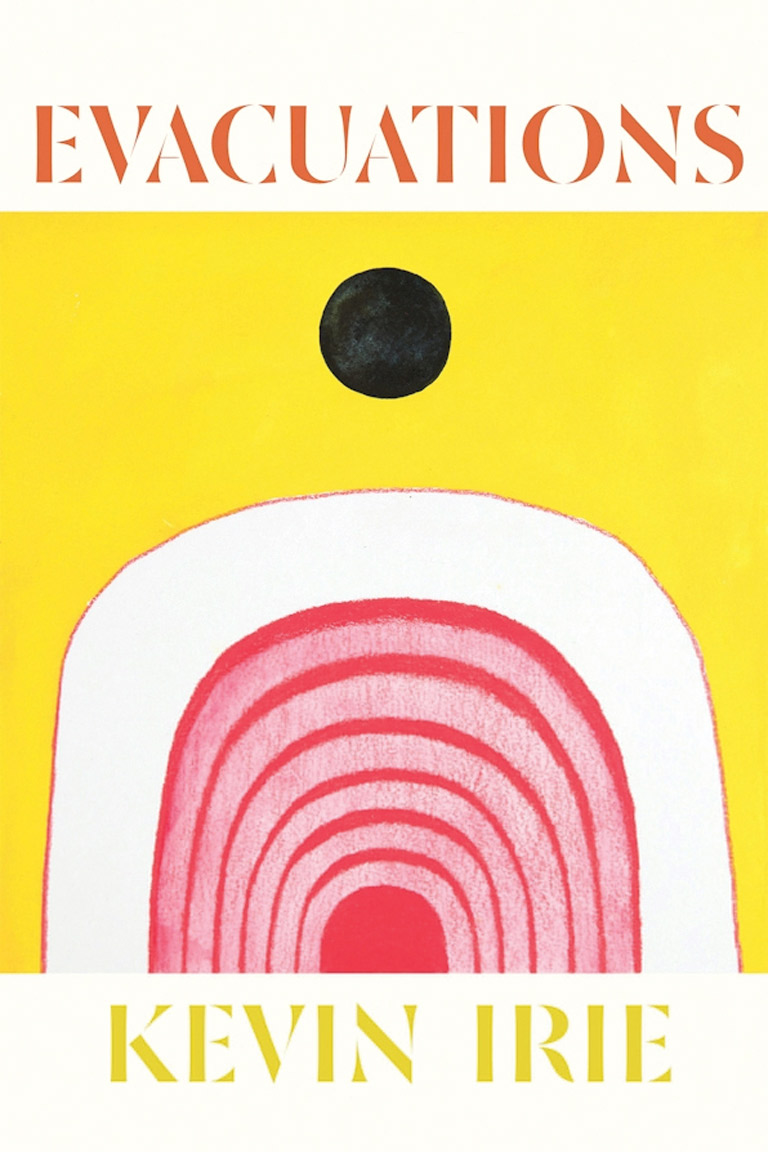
Evacuations
Written by Kevin Irie
University of Alberta Press,
100 pages, $19.99
For Japanese Canadians, the Second World War meant settlement, dispossession, internment and dispersal. In Evacuations, poet Kevin Irie examines this experience and uses traditional as well as innovative techniques to get at the core emotions of betrayal, grief and loss felt by many of those affected by this time in Canada’s history.
While this history has already been written about by such poets as Joy Kogawa — the first poem in Irie’s collection is centred on Kogawa’s famous work “What Do I Remember of the Evacuation” — Irie’s approach is delightfully eclectic and wide-ranging. Like poet Roy Miki, Irie finds the play in words — and by “play,” I’m referring to the range of what words can mean; for example, he’s provocatively chosen Evacuations as the title. “Evacuation” was the term the government wielded to justify removing Japanese Canadians from the West Coast, ostensibly to “save” them from an impending doom, like a natural disaster. Except the evacuation was the disaster.
Review continues below...

With 7 uniquely curated newsletters to choose from, we have something for everyone.
Irie draws from historical documents and uses their language through either erasure or highlighting techniques to create new poems. Take the language of “notices,” as in the poem “Notice to All Persons of Japanese Racial Origin”; all the text of the original government notice is there, with certain words bolded. Some of those words are then repeated at the end of the poem to form the line “The Duty of Justice Is to Force Any Peace to Retain Any Power.” Irie employs this technique again to parse out poems from field-guide descriptions of plants that Japanese Canadians typically foraged for in internment camps, such as butterbur, burdock and fiddleheads. The plants are familiar to me, except I first knew them by their Japanese names: fuki, gobo and zenmai. My Nisei great-aunt often spoke of foraging for these items during her internment at the Popoff camp in British Columbia, a site also mentioned in Evacuations. Irie skilfully incorporates the guides’ language to denote the populations of people, not plants, in his poems, playing off words such as “invasive” and “whitewash.”
Overall, this book of poetry is deft and well wrought. It’s readable and dexterous in its use of forms and language to expose the hypocrisy and shameful acts of a country whose government removed and incarcerated its own citizens based on their race.
Advertisement
We hope you’ll help us continue to share fascinating stories about Canada’s past by making a donation to Canada’s History Society today.
We highlight our nation’s diverse past by telling stories that illuminate the people, places, and events that unite us as Canadians, and by making those stories accessible to everyone through our free online content.
We are a registered charity that depends on contributions from readers like you to share inspiring and informative stories with students and citizens of all ages — award-winning stories written by Canada’s top historians, authors, journalists, and history enthusiasts.
Any amount helps, or better yet, start a monthly donation today. Your support makes all the difference. Thank you!
Advertisement