
The Scarificator

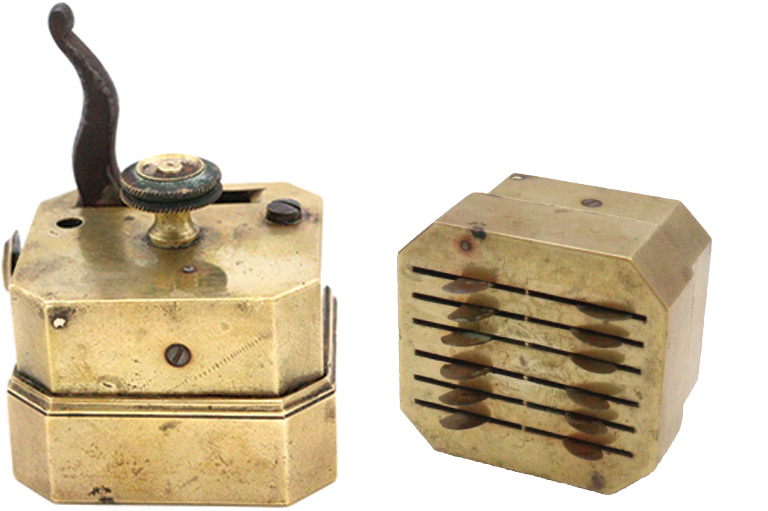
A small brass instrument designed for rapid controlled bloodletting

Written by Kamila Costello Posted August 9, 2026

Methodically engineered yet unsettling, the scarificator was a small brass instrument designed for rapid controlled bloodletting. Featuring spring-loaded blades, the scarificator became popular from the late 18th to mid-19th century, making shallow cuts in the skin before blood was drawn by cups or leeches. Rooted in ancient Greek medicine, the technique reflected the long-standing belief that illness arose from imbalanced bodily humours.

In Canada’s colonial period, bloodletting tools like the scarificator arrived with European-trained physicians and became part of early medical practice. Bloodletting was prescribed for fevers, inflammation and a wide range of ailments, despite limited evidence of benefit. By the late 19th century, advances in physiology, germ theory and anesthesia rendered it obsolete. Today, it endures in Canadian medical archives as a reminder of both ingenuity and error in the history of healing.

Help keep Canada’s stories strong (and free)

We hope you will help us continue to share fascinating stories about Canada’s past.


We highlight our nation’s diverse past by telling stories that illuminate the people, places, and events that unite us as Canadians, and by making those stories accessible to everyone through our free online content.


Canada’s History is a registered charity that depends on contributions from readers like you to share inspiring and informative stories with students and citizens of all ages — award-winning stories written by Canada’s top historians, authors, journalists, and history enthusiasts.


Any amount helps, or better yet, start a monthly donation today. Your support makes all the difference. Thank you! 

This article was published in the Autumn 2026 issue of Canada's History magazine as "Cutting-edge cure."
 

Related to Science & Technology