Your history. Your inbox.
7 uniquely curated newsletters to choose from.


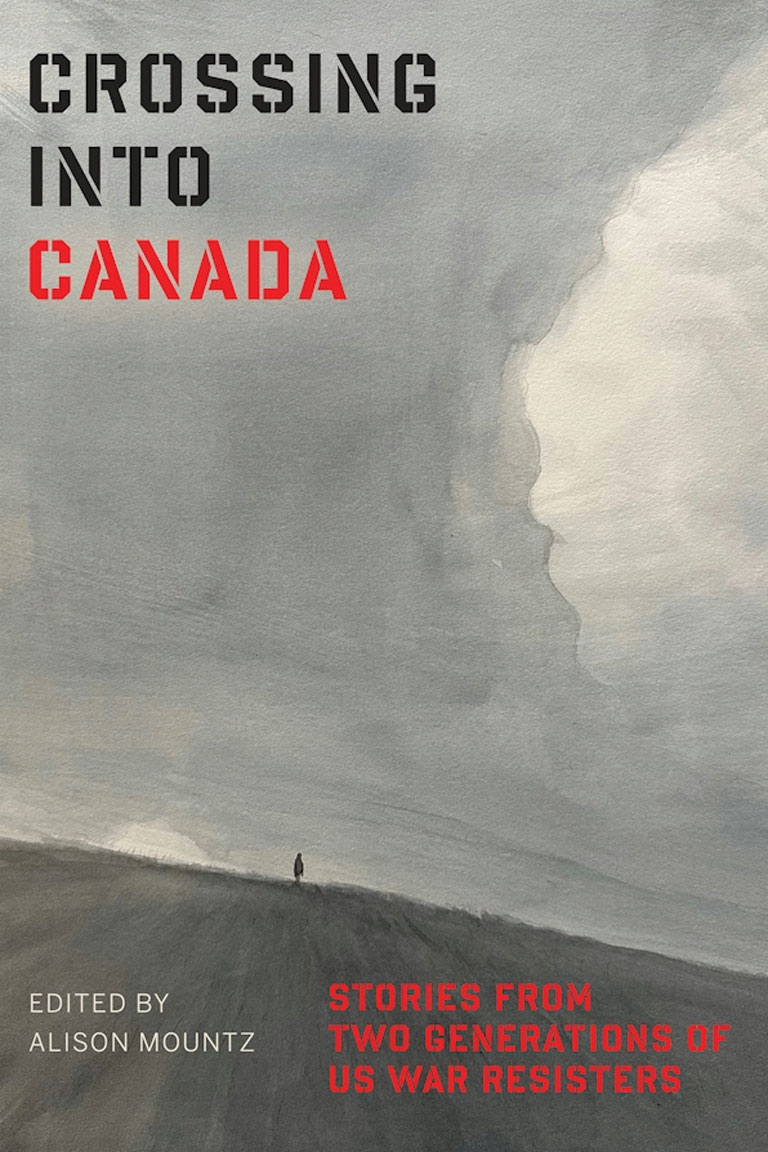
Crossing Into Canada: Stories from Two Generations of US War Resisters
edited by Alison Mountz
University of Alberta Press,
232 pages, $29.99
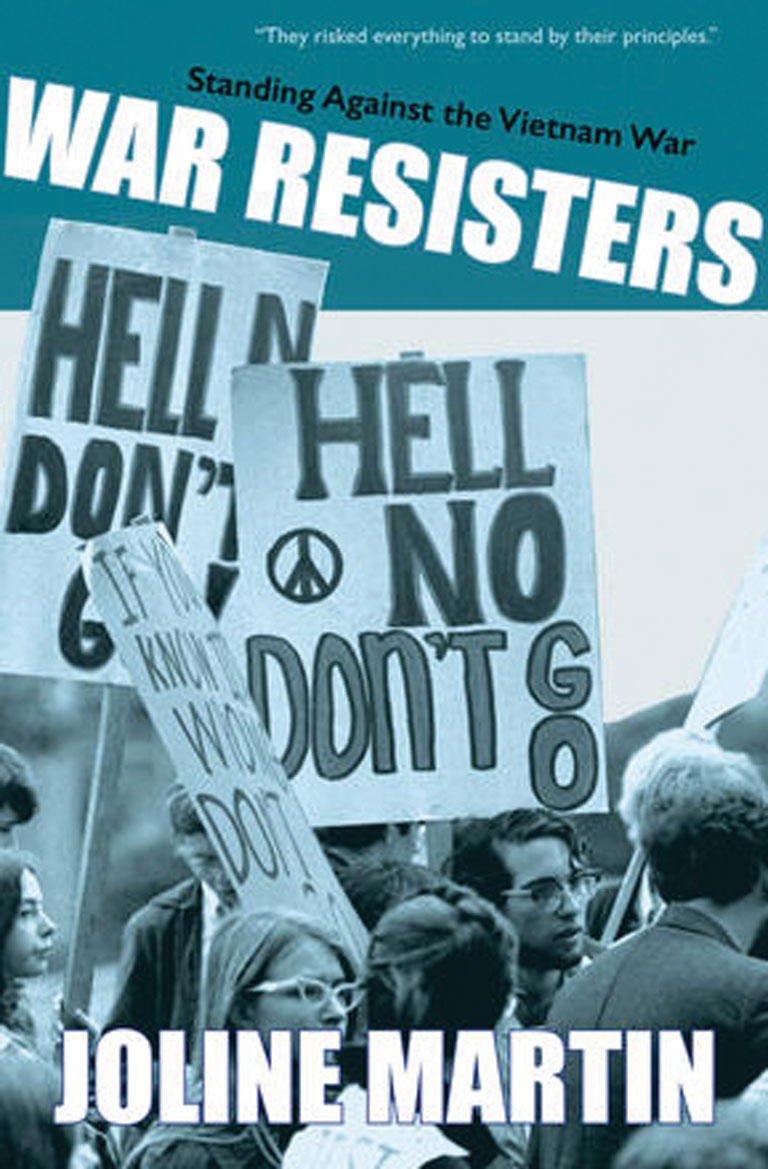
War Resisters: Standing Against the Vietnam War
Written by Joline Martin
Caitlin Press
240 pages, $26
American war resisters, formerly called draft dodgers, were part of my growing-up years in rural British Columbia in the late 1960s. Young Americans, fearful of their own government, furtively crossed the border to escape the military draft. They slipped into our lives and became part of the local culture and counterculture, reinventing themselves as carpenters, gardeners, artists, musicians and entrepreneurs.
It’s been nearly 60 years since Canadians witnessed that influx of people travelling to freedom. Two new books offer personal perspectives on what those terrified young men and women experienced. Both tell of the excruciating decisions each person underwent, defying family wishes, rejecting paternal military traditions, losing childhood friendships and saying goodbye to the country they loved.
They “dared to challenge the system of conscription and draft lottery that resulted in the death of so many of their peers,” notes the foreword to War Resisters.
Writer and expat-American Joline Martin’s 12 stories reveal how resisters — among them, her brother, who sought safety in Toronto — reshaped their lives on Vancouver Island as poets, mothers, teachers and even a chaplain. One of the most poignant is that of Chicago-born Manny Meyer, avmusician (folk singer-songwriter Pete Seeger was a friend) and amateur pilot who flew over San Francisco, dropping antiwar leaflets from a Cessna 172 Skyhawk. Meyer soon got “out of the leafletting bombing business,” escaped arrest and headed north.
Review continues below...

With 7 uniquely curated newsletters to choose from, we have something for everyone.
Crossing Into Canada editor Alison Mountz, a Univerity of Toronto geography professor, includes Vietnam but adds another dimension to the resister story by also exploring the experiences of men and women who avoided wars in Iraq and Afghanistan. With the help of the War Resisters Support Campaign and other early Vietnam-resister aid groups, deserters and soldiers who went AWL record their stories here.
In one of Mountz’s 13 oral histories, Brooklyn-born Leah describes becoming a Canadian resident in B.C. Her husband eventually chose a different path. When resisters were given amnesty by the U.S. government, he returned to the States from B.C., ending their marriage. “This is where I live,” says Leah. “This is where I identify.… This is where all my roots are now.… I’m Canadian.”
Both books provide historical background, with Mountz using resisters’ memories of the horrors of boot camp and seeing combat action, and in Martin’s case, with chapters on the media, politics, the draft, the Canadian immigration system and the Vietnam War protest movement.
All the stories describe harrowing journeys that eventually bring resisters to Canada and tentative new lives. Mountz provides a map that traces each journey, which often crosses continents in a back-and-forth panic to find refuge. Martin gives readers a fact sheet, revealing the cost of the Vietnam War (about $140 billion) and the loss of almost 60,000 Americans and three million Vietnamese.
“America’s loss was Canada’s gain,” Martin concludes compassionately. “The war resisters form a unique subsection of Canadian society.” Mountz suggests that new waves of war resisters “seeking safety will once again look north” as U.S. President Donald Trump threatens global conflict. The children of the 1960s chanted, “Hell, no, we won’t go.” The children of the 2000s may again need our help as we anticipate hearing that same chant again.
Advertisement