Your history. Your inbox.
7 uniquely curated newsletters to choose from.


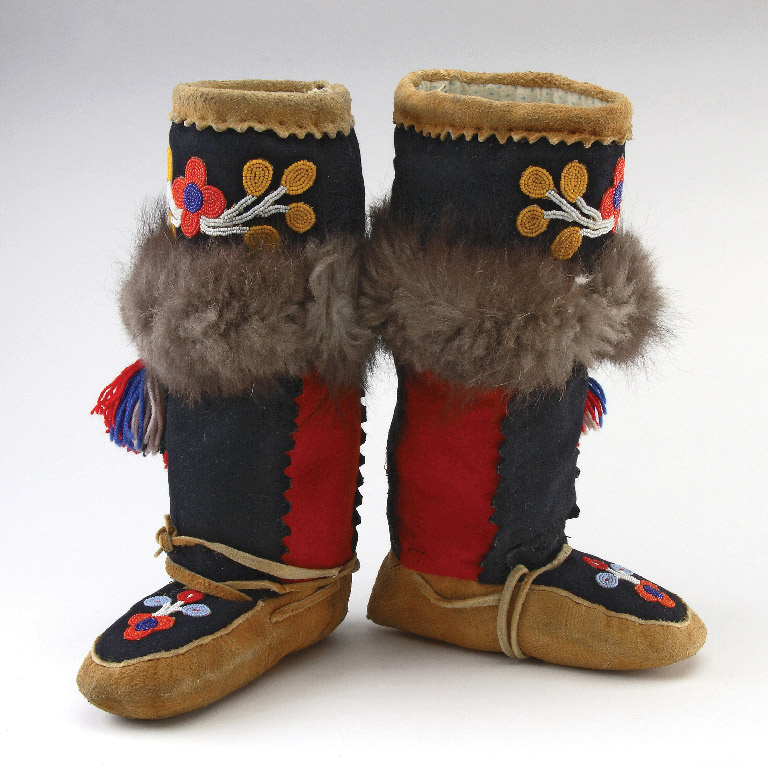
Mukluks are among the oldest forms of cold-weather footwear in the world. They were developed over thousands of years by Indigenous Peoples of the North, including the Yup’ik, Inuit and Inupiat. Designed for life in Arctic and Subarctic environments, they’re expertly crafted from caribou, sealskin, moosehide and other natural materials chosen for their warmth, flexibility, durability and water resistance. Every pair reflects generations of place-based knowledge, shaped by seasonal conditions, landscapes and lifeways. Far more than practical winter footwear, mukluks embody enduring relationships with the land, animals and community. Today, makers continue to innovate, ensuring that this knowledge and artistry can thrive for generations to come.
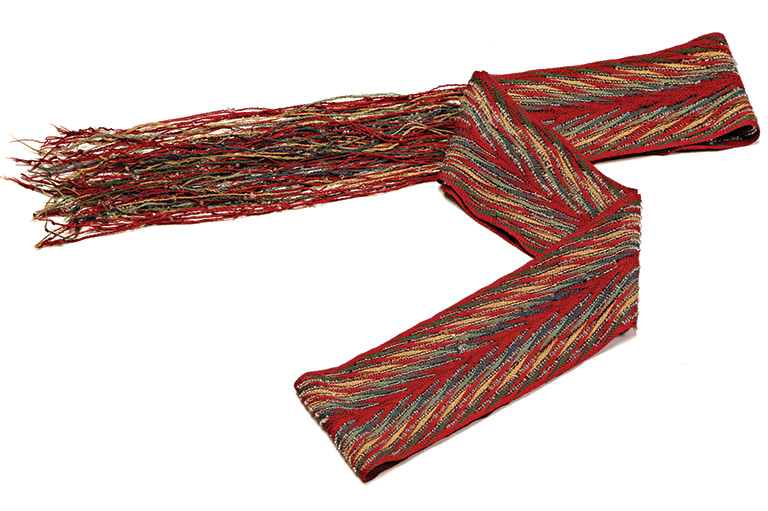
Research shows that this colourful accessory — often referred to as the arrowhead sash — dates back to the 1700s. Its purpose was practical: securely tying French Canadians’ coats closed against the deep cold of winter. But donning one was a point of prestige, as the intricate finger-woven zigzag pattern made the labour-intensive finished product pricier than other available options.
Though associated with voyageurs, the sashes were adopted by Indigenous Peoples, who similarly considered them a status symbol. For the Métis, the ceinture fléchée was worn as a sign of resistance — depictions of Louis Riel, for example, frequently include the sash. In short, this winter wear is woven into our shared history.

With 7 uniquely curated newsletters to choose from, we have something for everyone.
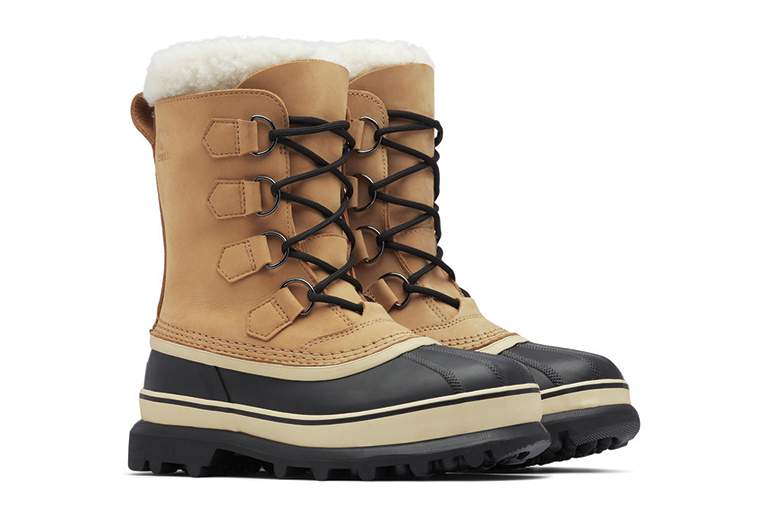
Sorel’s Caribou boots were introduced in 1962 by Ontario’s Kaufman Rubber Company. Emerging from Kaufman’s tradition of making rubber boots, among other gear, the Caribou style found a following in outdoor workers, winter sports enthusiasts and adventurers. While this footwear had strong credibility because of its functional design, the company’s lack of fashion ingenuity at the time in part led to Kaufman’s bankruptcy in 2000. Columbia Sportswear acquired the brand that same year and added more-modern style options that brought Sorel and the original Caribou to a new generation.
Advertisement
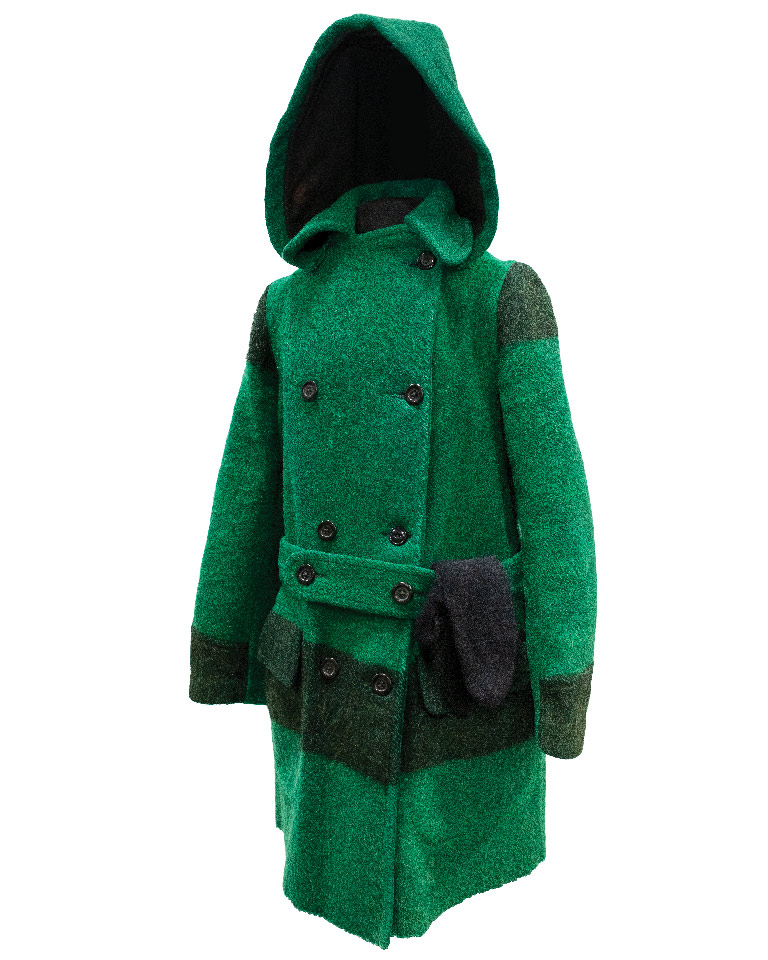
Made from the Hudson’s Bay Company’s iconic striped point blankets, this coat features the famous “points,” short woven lines that indicate blanket size and weight (not visible in this image). Popular with outdoorsmen and urban consumers alike, the point-blanket coat emerged in the 1920s as a symbol of northern ruggedness while also representing the fur trade’s complicated legacy of colonial expansion and Indigenous displacement.
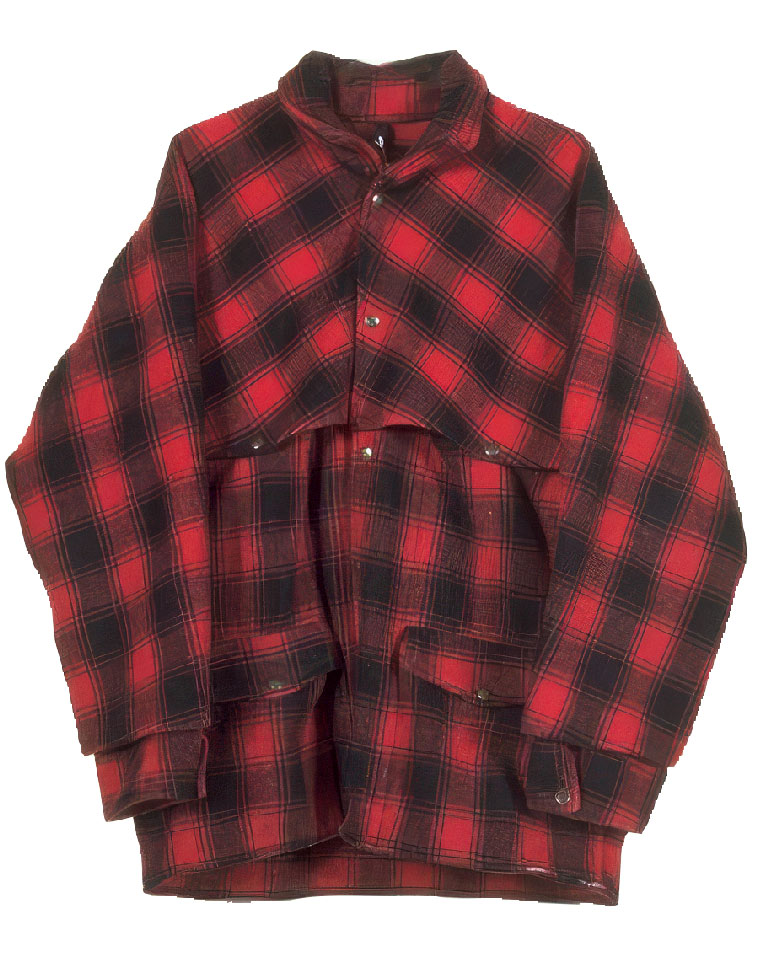
Invented in 1811 and further refined over the years, the mackinaw jacket is celebrated for its warmth, water resistance and breathability, yet its origins as a product of Indigenous women’s design brilliance remain little known. The jacket emerged at Fort St. Joseph in northern Ontario, when Capt. Charles Roberts needed warm winter coats for British soldiers. In response, a group of mixed-Indigenous women transformed dense wool blankets into innovative jackets suited to the Great Lakes climate, completing the order in just two weeks. The first coats were made from 31-point blue Hudson’s Bay blankets, but when supplies ran short, the women sewed the remaining jackets from red plaid blankets, establishing the mackinaw jacket’s now-classic appearance.
Save as much as 40% off the cover price! 4 issues per year as low as $29.95. Available in print and digital. Tariff-exempt!
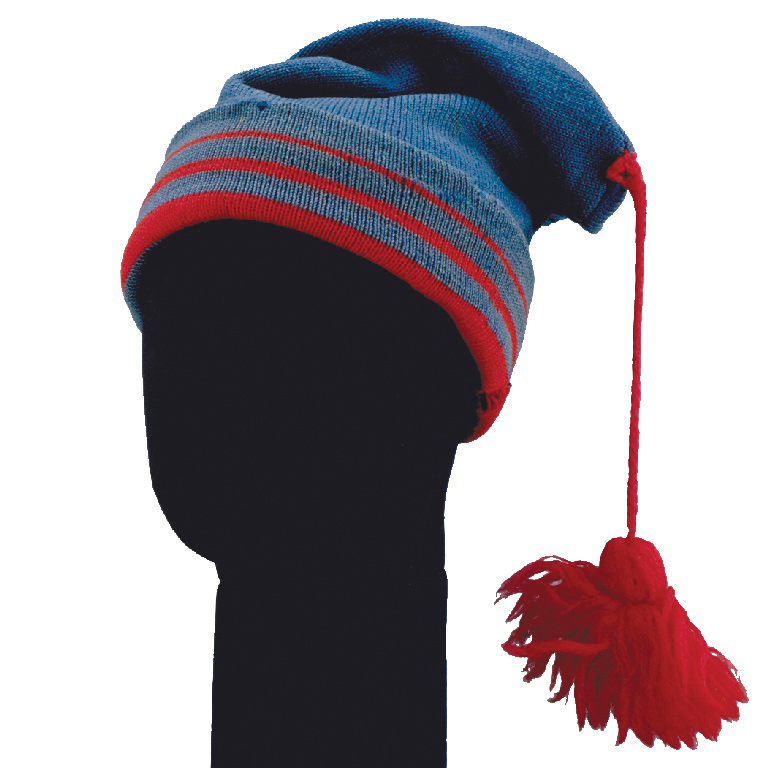
It’s hard to imagine our winters without this ubiquitous headgear. Usually associated with French-Canadian voyageurs and early winter life in Canada, this woollen staple provided warmth beneath hoods during long fur-trade expeditions. Traditionally, tuques featured long tassels or pompoms, though they’re usually “tailless” these days. Seen as icons of resistance during the Rebellions of 1837, by the 20th century, they’d evolved from practical workwear into a wider symbol of French-Canadian identity.
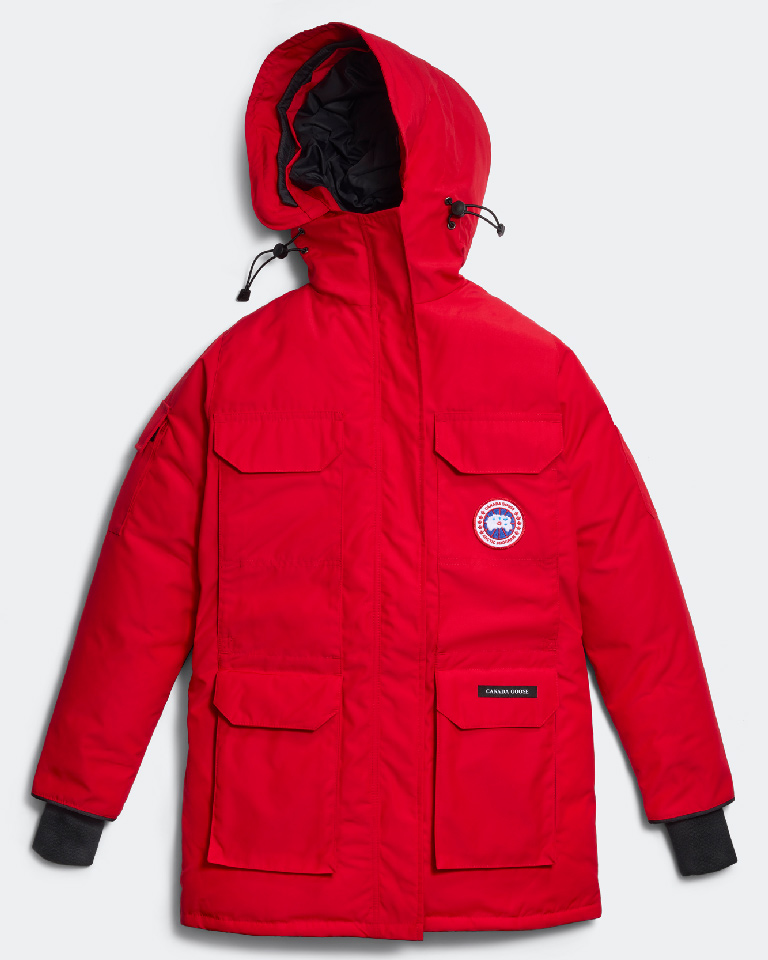
Metro Sportswear developed the Canada Goose — then known as Snow Goose — Expedition parka in the 1980s. The company made these coats for scientists working at McMurdo Station in Antarctica, who nicknamed it “Big Red,” describing the outerwear’s original colour and size. This parka soon became famous for its extreme warmth and durability; the original featured heavy down insulation, oversized utility pockets, an adjustable fur-trimmed hood designed for intense cold and the familiar “Arctic program” emblem patch. Though created for function, the coat later evolved into an internationally recognized luxury winter fashion piece with more colourways and style iterations to choose from. It’s still available today.
We hope you will help us continue to share fascinating stories about Canada’s past.
We highlight our nation’s diverse past by telling stories that illuminate the people, places, and events that unite us as Canadians, and by making those stories accessible to everyone through our free online content.
Canada’s History is a registered charity that depends on contributions from readers like you to share inspiring and informative stories with students and citizens of all ages — award-winning stories written by Canada’s top historians, authors, journalists, and history enthusiasts.
Any amount helps, or better yet, start a monthly donation today. Your support makes all the difference. Thank you!
Advertisement