Your history. Your inbox.
7 uniquely curated newsletters to choose from.


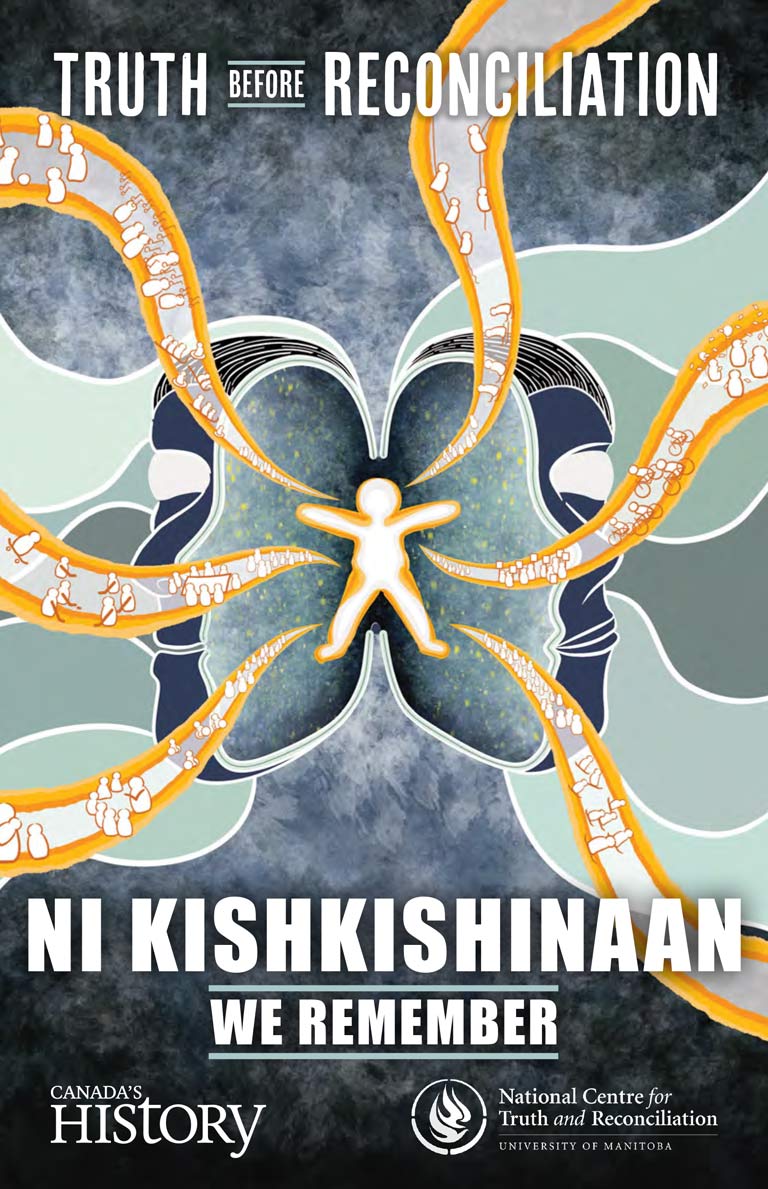
Why do we remember some things and not others? Is remembering the same as not forgetting? And when it comes to what Indigenous children experienced at residential schools, how do those memories spur us to act?
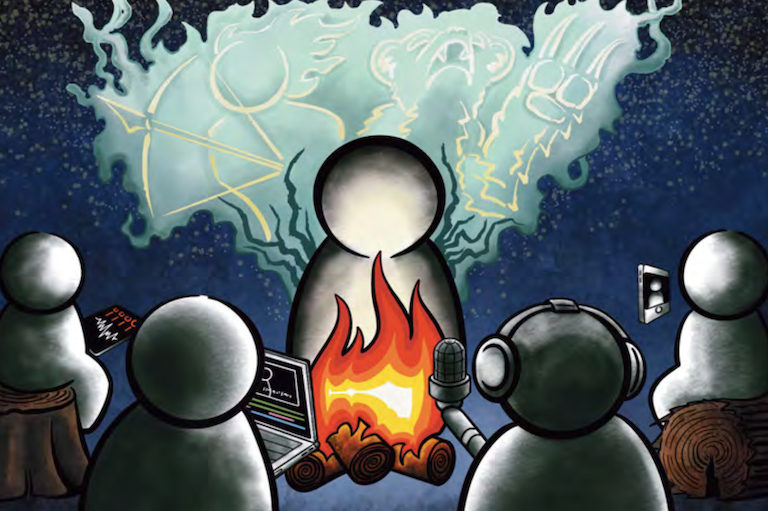
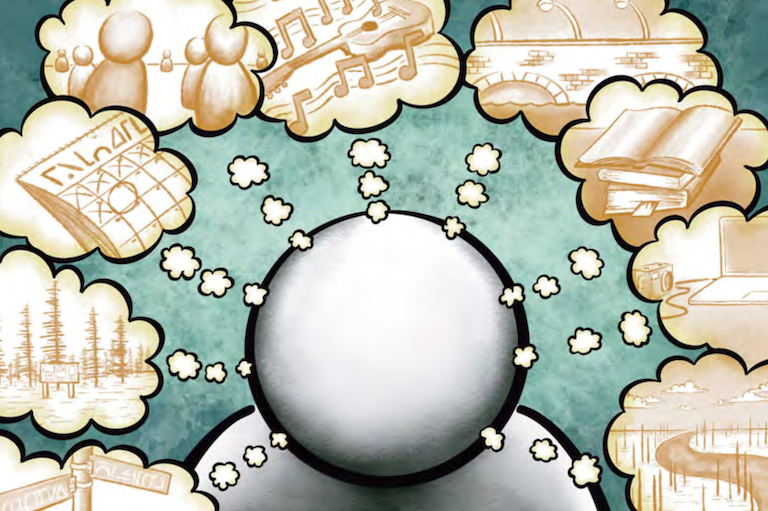
Truth Before Reconciliation: Ni Kishkishinaan (We Remember) explores those essential questions in an engaging, thought-provoking magazine for students from junior grades up to secondary school. It takes its inspiration from the National Centre for Truth and Reconciliation’s Memorial Cloth, which honours the thousands of children who never returned home from residential schools. Weaving together themes of personal and institutional memory and memory-keeping, the publication also suggests real-life ways young readers can participate. The content is written by Ry Moran, who oversaw the gathering of statements by Residential School Survivors for the Truth and Reconciliation Commission of Canada, and features the powerful illustrations of Métis artist Mike Zastre.
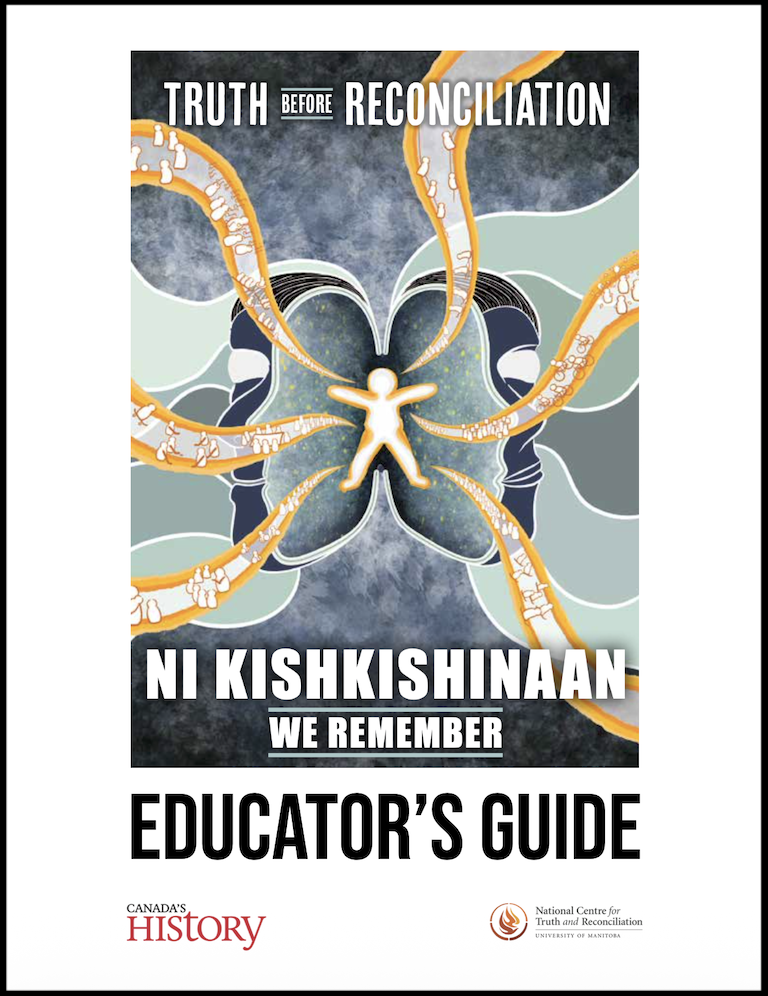
We invite you to download the digital magazine and corresponding educator's guide. The publication and accompanying activities invite teachers and students to explore memory — what it means to remember, keep collective memories alive, and honour the lives of people who lived through difficult moments in Canada’s history.
On behalf of Canada’s National History Society with the National Centre for Truth and Reconciliation, thank you to all teachers who are taking on this important work of advancing reconciliation every day in their classrooms and their communities.
For more lesson plans and educational resources visit the National Centre for Truth and Reconciliation.
Advertisement
This publication was made possible with generous support from: