Your history. Your inbox.
7 uniquely curated newsletters to choose from.


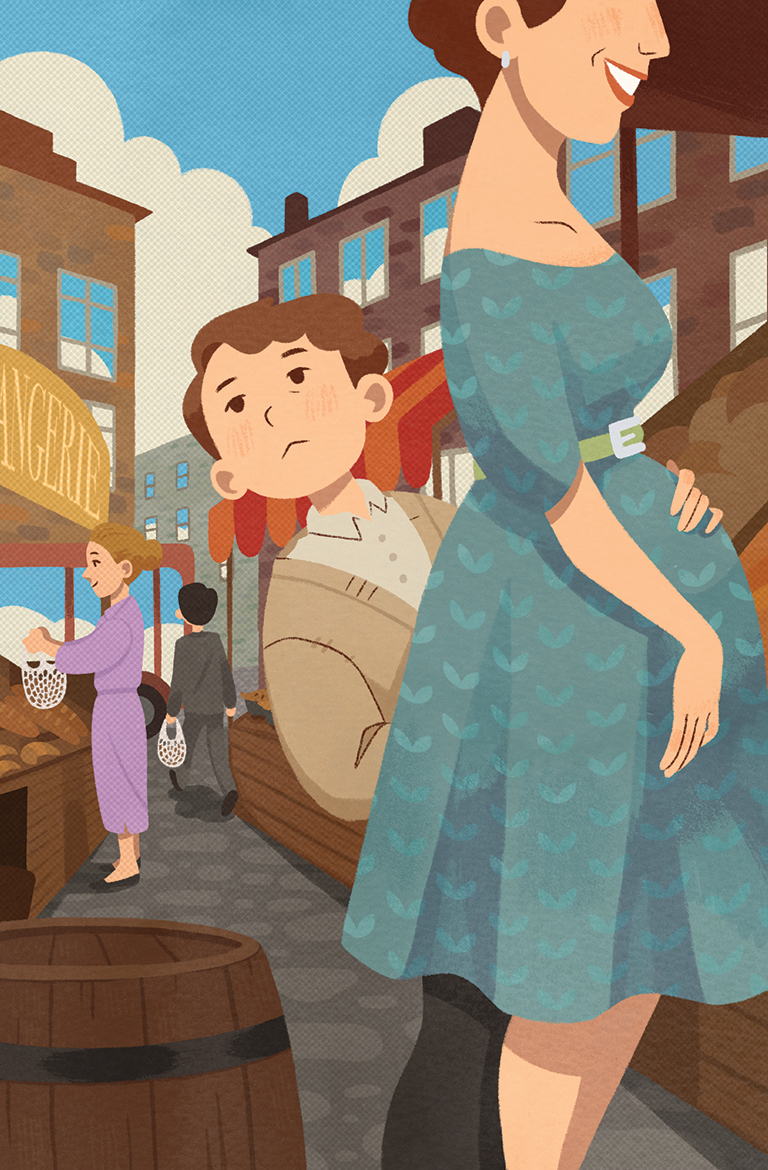
Maybe if he stared at his mother long enough, Max thought, she’d finally stop talking to the man at the vegetable stall and buy something so they could go home.
No luck. He shifted his gaze to the next stall, the one with the sign Patisserie in curly French letters. The slices of pain d’épices looked good and smelled better.
“Une petite gâterie?” His mother had found him. “A little treat to make up for waiting around while I chat?”
Max sighed. “Sure. And then can we please go?” When they moved from Canada in August, he’d loved exploring the fortress and the town’s winding streets. Now he just missed the open spaces in Alberta where he and his friends played for hours. He missed the stream near their school. There’d be no snowball fights or tobogganing this winter.
“You’ll have to settle for chicken on Thanksgiving,” his mother was saying. “They don’t celebrate it here, so nobody at the market had turkeys.”
She grimaced and handed Max a string shopping bag bulging with potatoes, carrots and cabbage. “Oof! It throws me off balance when the baby kicks.”
The handles of the bag dug into his fingers, making deep lines. This Saturday just kept getting worse.
The two of them climbed onto the little bus that pulled up and plunked into a seat. “The vegetable seller had a hard time understanding my French,” Max’s mother laughed. “He said I had a terrible accent. I just told him that Canadians speak differently from French people, and Albertans speak differently from others in Canada.”
When Max just stared out the window, she nudged him gently with her elbow. “What’s wrong?”
He shrugged. She elbowed again.
“Stop it!” His mother put her arm around him. Tears pricked his eyes.
“I wish we were back in Canada. It’s dumb here.”
He took a deep breath. It was too late to stop now. “I hate being Canadian here. The kids in the village call us bûcherons, like we’re lumberjacks who live in the woods and eat maple syrup and have beavers as pets. The Americans at school made fun of me when I said we have Thanksgiving in October.”
His mother nodded, a bit sadly. “I know it’s hard to be away. Your dad’s work at the base is important. And it’s only for three years.”
How could Max tell her that three years felt like forever? He’d be 15 by the time they moved home. His friends would probably have forgotten all about him.

With 7 uniquely curated newsletters to choose from, we have something for everyone.

Of course he was proud that his dad was with the Royal Canadian Air Force. That didn’t help him to fit in at the school for military kids. “It makes me so mad when people think I’m American. And when I tell them I’m from Red Deer they just laugh.”
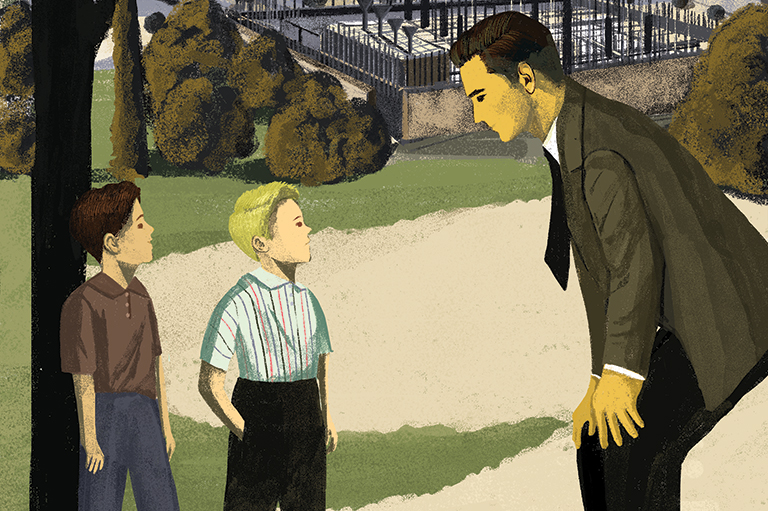
An older man with a neatly trimmed moustache and a colourful scarf was sitting behind them. He gently cleared his throat. “I don’t mean to intrude,” he said. “You are from Canada?”
Max’s mother smiled broadly.
“Proud Canadian citizens! I’m Ginette Thomas and this is Max. My husband Ted is stationed at the airfield in Marville.”
The man smiled back. "You are very lucky. I spent some time travelling in Canada before the war.”
“Your English is very good,” Max’s mother said.
“Yes, but it was marvellous to be able to speak French in many places as well,” the man said. “If I wasn’t too old for the journey, I’d go back in the autumn to see those glorious maple trees again. Or maybe I’d move there — find a place where I could just sit and look at the Rocky Mountains all day.”
Max perked up. “We can see them from Red Deer!”
“That’s where Ted did his training,” Max’s mother explained. “I’m from Beaumont.”
“Well, I happen to think your town has a wonderful name,” the man said, winking at Max. “Much easier to spell than Fleury-devant-Douaumont, too!”
“I love France,” he went on, “but Canada is very special. To be a citizen of such a place, to have such freedom and peace, such beauty, such promise. To welcome people from all over the world — that is also special.”
The bus bounced to a halt and Max’s mother stood up. “This is our stop,” she said. “It was lovely to meet you.”
“Un plaisir,” the man replied. He looked at Max. “Happy Thanksgiving, to you, my young Canadian friend.”
Max hoisted the bag of vegetables and gave the man a big smile. “Merci!”
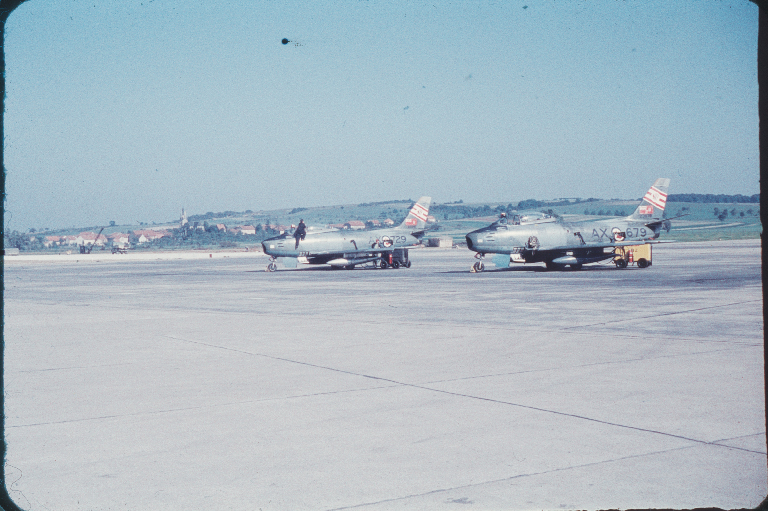
We made up the people and events in this story, but the setting is real. The Royal Canadian Air Force (RCAF) had a presence in France for about a decade starting in the early 1950s. Metz, a small city in northeastern France not far from Montmédy and Marville, was home to the RCAF’s 1 Air Division Headquarters at the time of our story. Commanders realized that men in the air force would be more willing to be posted abroad if they could have their families with them.
Canadians from the RCAF served in Europe as part of our contributions to NATO, the North Atlantic Treaty Organization military alliance. The division’s headquarters moved to Germany in 1963. RCAF members and families were stationed there into the 1990s. Like them, millions of Canadians today keep their citizenship while they live and work all over the world.
We hope you’ll help us continue to share fascinating stories about Canada’s past by making a donation to Canada’s History Society today.
We highlight our nation’s diverse past by telling stories that illuminate the people, places, and events that unite us as Canadians, and by making those stories accessible to everyone through our free online content.
We are a registered charity that depends on contributions from readers like you to share inspiring and informative stories with students and citizens of all ages — award-winning stories written by Canada’s top historians, authors, journalists, and history enthusiasts.
Any amount helps, or better yet, start a monthly donation today. Your support makes all the difference. Thank you!
Advertisement