Your history. Your inbox.
7 uniquely curated newsletters to choose from.


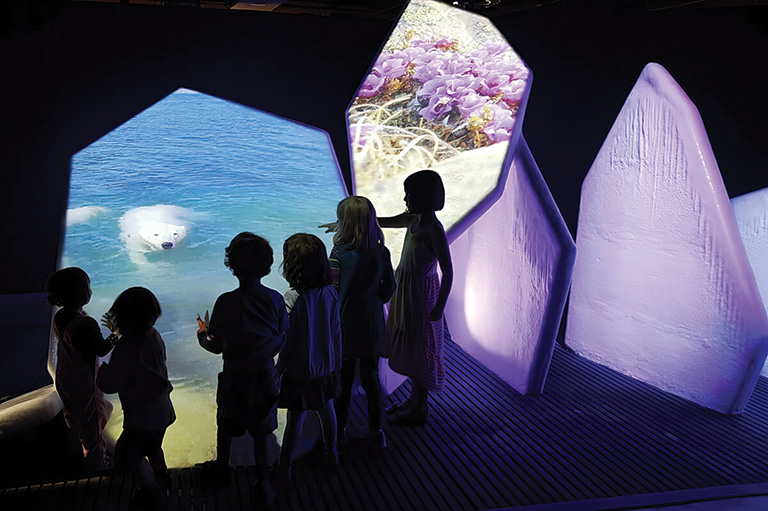
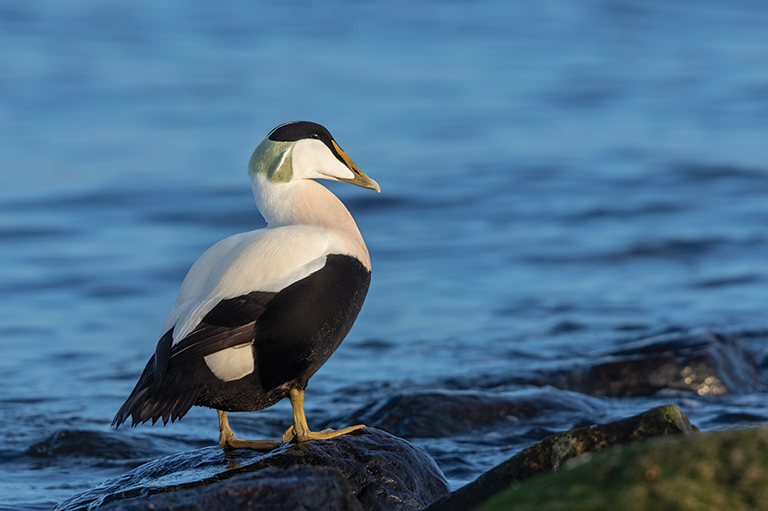
Home to some 1,500 islands in southeastern Hudson Bay, Qikiqtait — known in English as the Belcher Islands — is a unique Arctic ecosystem. Its waters contain recurring polynyas, or areas of open water amid sea ice. These provide important habitat for species that include polar bears, seals, belugas and the Hudson Bay common eider, a non-migratory sea duck that calls the archipelago home.
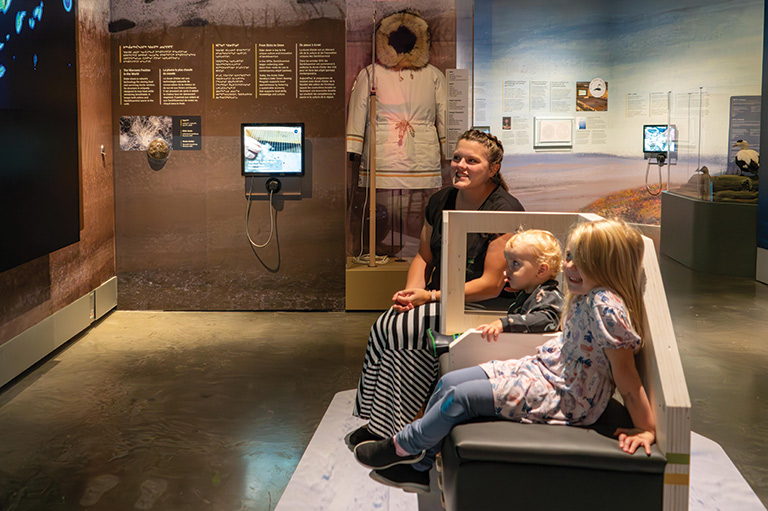
Now, visitors to the Canadian Museum of Nature in Ottawa can explore this remote region through Qikiqtait: Where Inuit Know ledge and Innovation Come Together, an Inuit-led ex hibition created by the Arctic Eider Society in collaboration with the museum. On view through September 2027, the exhibition highlights how Sanikiluarmiut — Inuit of Sanikiluaq, the archipelago’s only permanent community — are combining traditional knowledge of the area with new technology to care for their environment.
“The Qikiqtait exhibition helps demonstrate the unique culture of Sanikiluarmiut while showing how we continue to thrive and find innovative ways to take care of our islands,” says Lisi Kavik-Mickiyuk, the programs manager for the Arctic Eider Society.
Visitors can explore a 3D map of the islands, an interactive harvest calendar and displays on eiderdown and traditional parkas. The ex hibition also introduces Siku: The Indigenous Knowledge App, which is used by communities to document observations of wildlife, sea ice and climate. Qikiqtait is presented in the museum’s Northern Voices Gallery, a space where northern communities can share their own stories and perspectives.


With 7 uniquely curated newsletters to choose from, we have something for everyone.
Advertisement


