Your history. Your inbox.
7 uniquely curated newsletters to choose from.


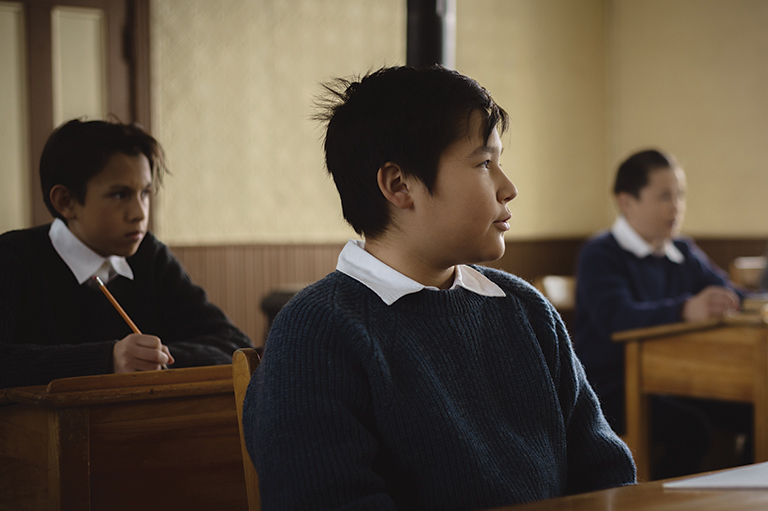
As someone who teaches Grade 9 truth and reconciliation, I’m always thinking about ways to get students to be empathetic. We show documentaries and we have guest speakers, but this experience is so unique.
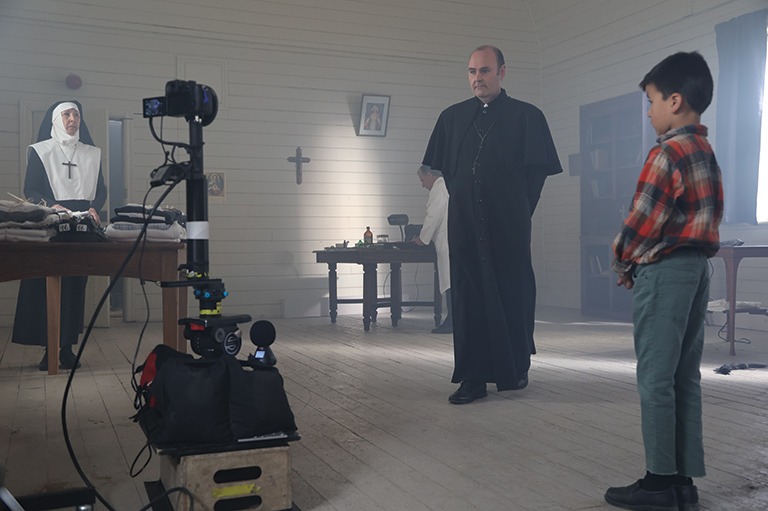
A lot of care was taken in the development of William. It was researched like a documentary. There were Elders involved. I really appreciated the authenticity. But who is creating it? Who owns this? These are questions of major concern for other virtual reality projects.

With 7 uniquely curated newsletters to choose from, we have something for everyone.

When you put on the headset, you’re an observer, but people are interacting with you as if you are this child. Nish Media wanted it to be applicable for all areas of Canada, so when the child arrives at the residential school, the priests and nuns speak a made-up language so it would sound foreign to any user.
Students don’t need to be at a particular reading level to feel what the experience is like. In Portage la Prairie, Man., there’s a residential school that’s been turned into a museum. William is a great way for students who go to schools that can’t afford a bus to take them [to the museum] or students who have mobility issues to access some of the same learning.
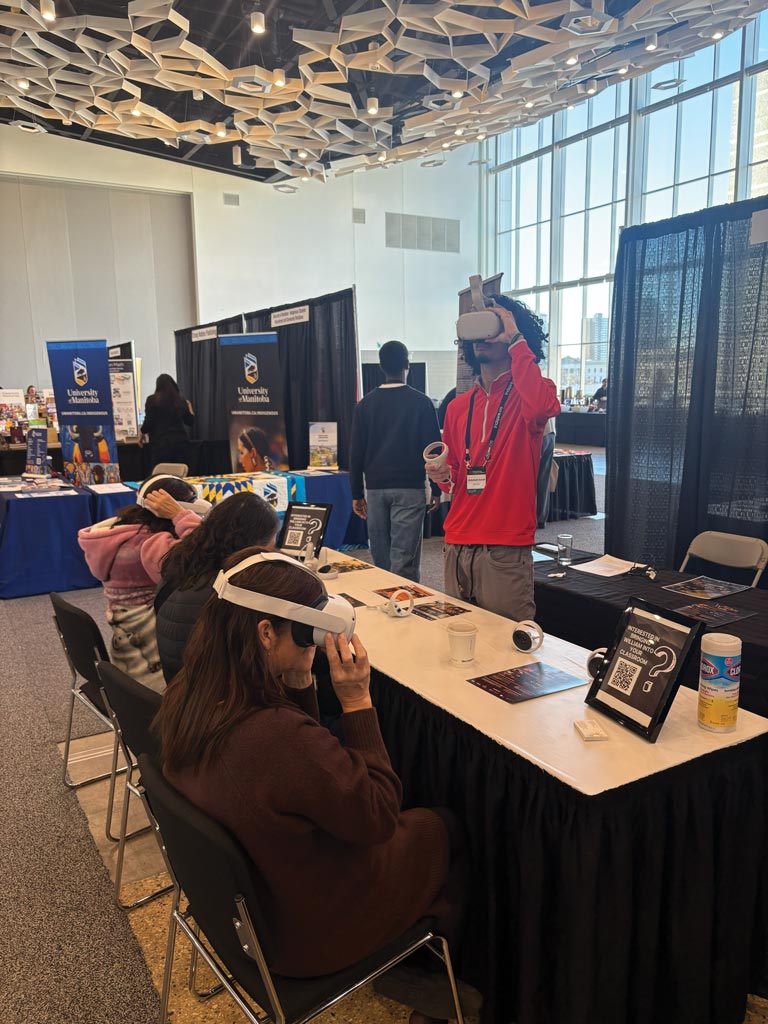
Some adults — especially people who weren’t born in Canada — cannot believe what happened in residential schools. They have a lot of ideas about how Canada is presented on the international stage, so learning the true history is quite shocking for them.
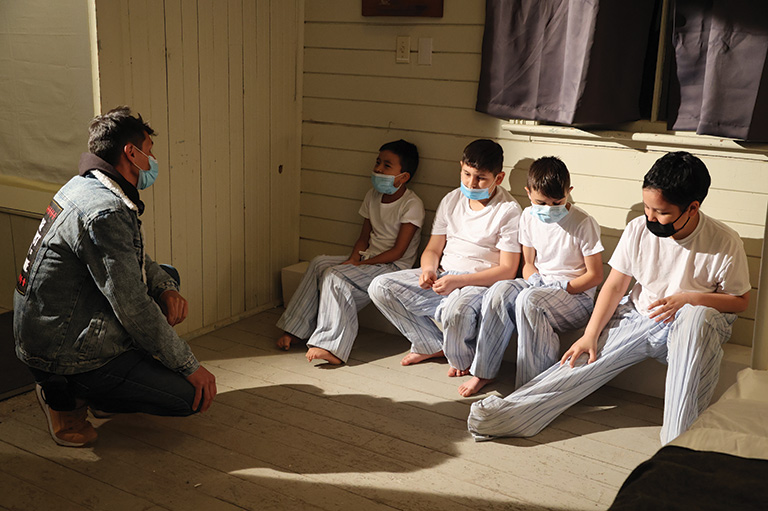
You can learn about statistics, but when you experience it, you get this sense that William is a child who doesn’t know what’s happening. In Episode 2, he’s taken from his home, and when the priest knocks on the door, he hides under the table. You also see his parents’ reactions. It’s powerful.
Canada's History magazine was established in 1920 as The Beaver, a Journal of Progress. In its early years, the magazine focused on Canada's fur trade and life in Northern Canada. While Indigenous people were pictured in the magazine, they were rarely identified, and their stories were told by settlers. Today, Canada's History is raising the voices of First Nations, Métis and Inuit by sharing the stories of their past in their own words.
If you believe that stories of Canada’s Indigenous history should be more widely known, help us do more. Your donation of $10, $25, or whatever amount you like, will allow Canada’s History to share Indigenous stories with readers of all ages, ensuring the widest possible audience can access these stories for free.
Any amount helps, or better yet, start a monthly donation today. Your support makes all the difference. Thank you!
Advertisement