Your history. Your inbox.
7 uniquely curated newsletters to choose from.


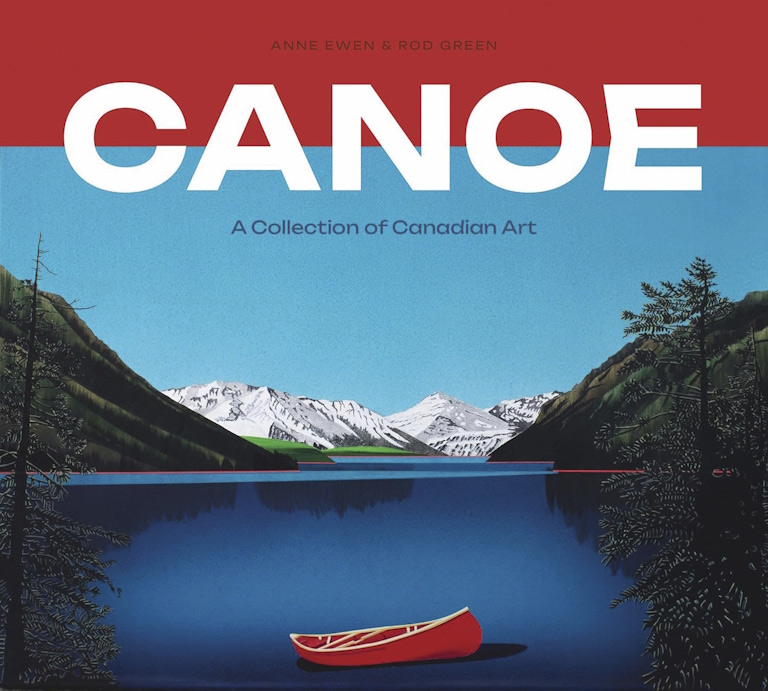
by Anne Ewen and Rod Green, with a foreword by Grit and Scott McCreath
This illustrated volume celebrates the iconic watercraft — an enduring symbol of national identity — as depicted across 200 years of Canadian artistic output. Canoe explores the one-of-a-kind McCreath Canoe Collection, which includes paintings, sculpture, prints, carvings, glass, ceramics and birchbark canoes. The collection features 50 historical and contemporary artists from across the country, including Alex Colville and David Milne.
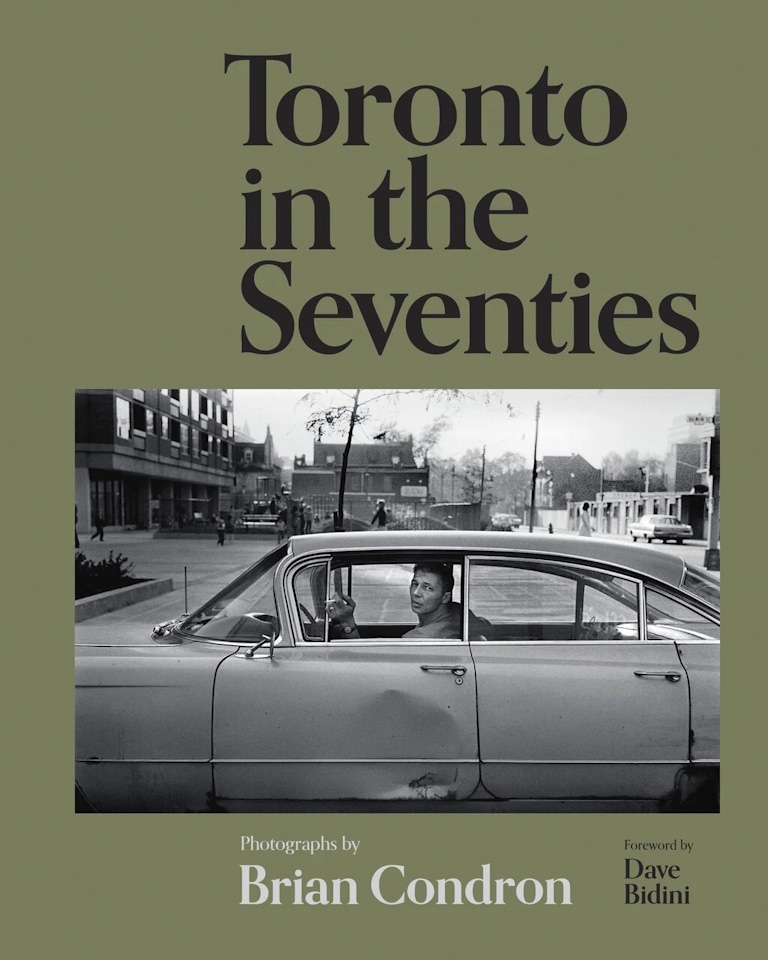
by Brian Condron, with a foreword by Dave Bidini
This collection of recently rediscovered images by photographer and self-described visual anthropologist Brian Condron captures a growing metropolis in flux. Equipped with his Leica, Condron documented everyday life in Toronto, from shopkeepers and bankers to streetcar riders and Yonge Street partygoers. The result is an artful time capsule of a city striding toward the future.
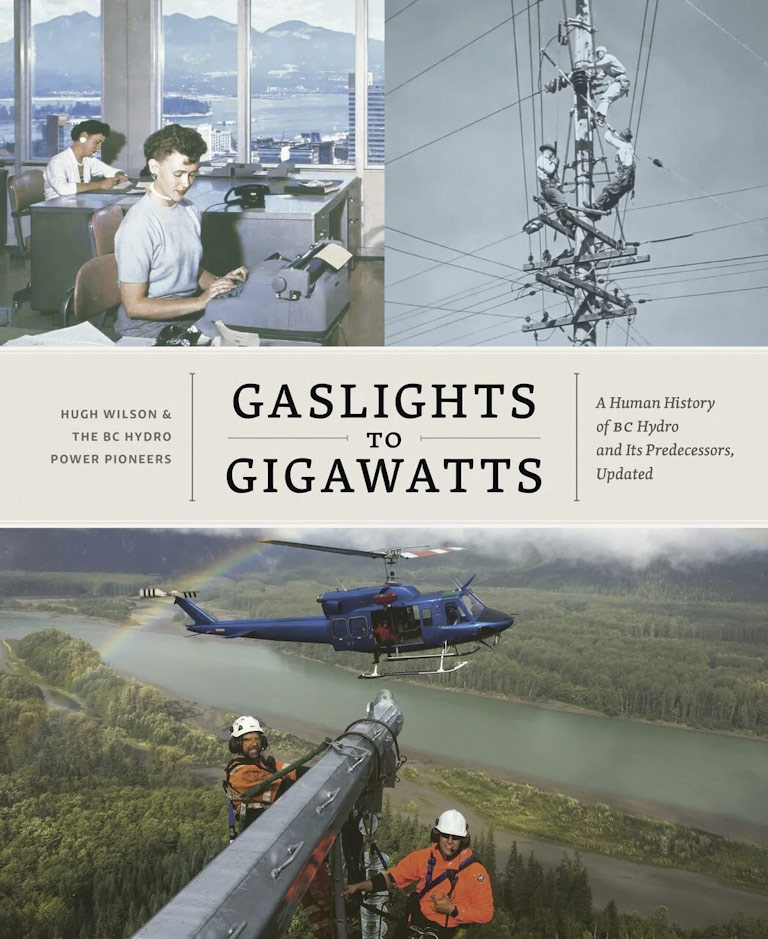
by Hugh Wilson and the BC Hydro Power Pioneers
From its earliest days in colonial Victoria to the initiation of the massive Site C power project in 2015, BC Hydro and its predecessor companies have played a central role in the history of British Columbia. Told through the voices of its employees over three different centuries, Gaslights to Gigawatts recounts the story of the people and projects that delivered power — and much more — to the citizens of the province.
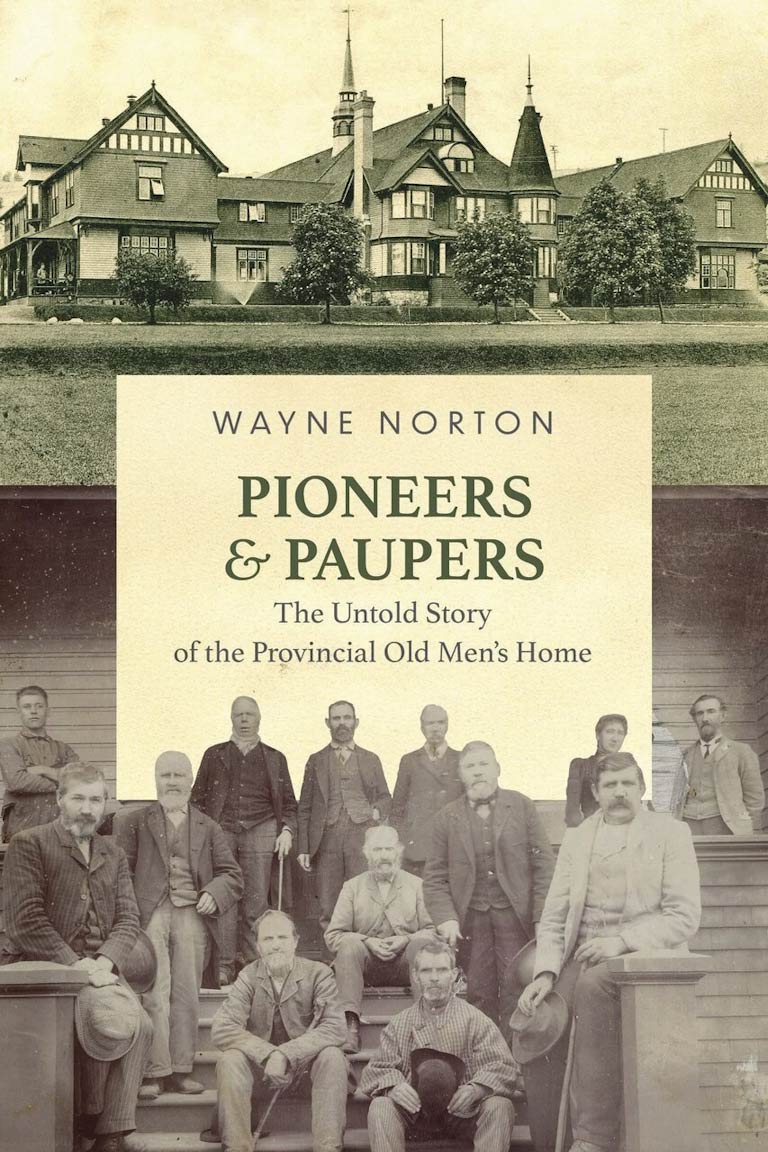
by Wayne Norton
More than 100 years ago, when the trappers and miners who built British Columbia could no longer work, they often ended up destitute and homeless. Before pensions, assisted living and universal health care, the “Home” was a startling innovation in social welfare.
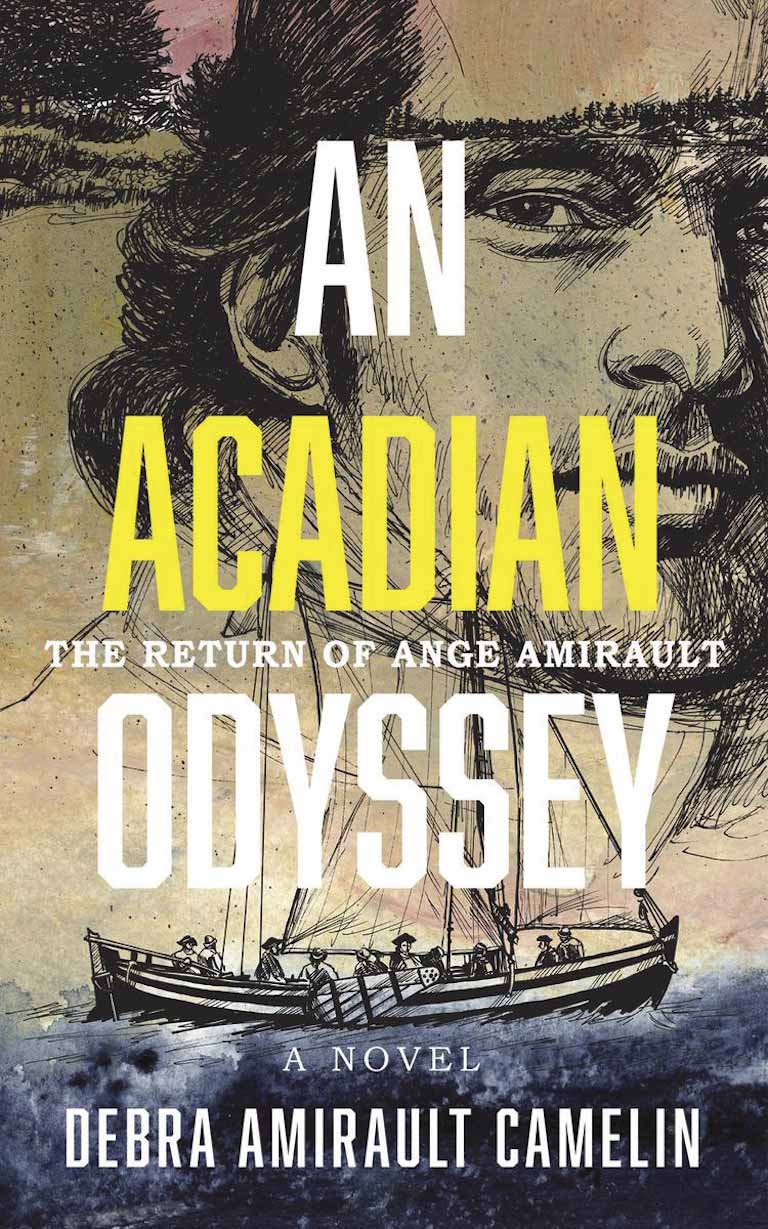
by Debra Amirault Camelin
It’s 1766, and after years of brutal forced exile, Ange Amirault returns to Nova Scotia with his young family. In this historical novel, Acadian lore is woven with 18th-century events as the epic, deeply human drama unfolds.
by Leslie Shimotakahara
“In Leslie Shimotakahara’s The Breakwater, the scars of Japanese internment mixed with long held family secrets make for an enthralling, captivating story. Expertly told, the novel speaks to what we search for at the end of our lives, what we strive to fix, the chapters we’ve hidden from others, and most devastating of all, the self-deceptions that have sheltered us from our personal guilt.” — Rajinderpal S. Pal
By John Larsen with Jeremy Hansen
The dramatic, high-stakes account of Artemis II, the first human journey into deep space in 50 years, is told from the perspective of Canadian astronaut Jeremy Hansen.

by SaskBooks
From the province shaped most like a book, discover more than 80 new and popular reads in this free catalogue! Every book in this collection was published by Canadian publishers in Saskatchewan, and you’re guaranteed to find something for everyone, from children’s picture books to scholarly work to literary titles.
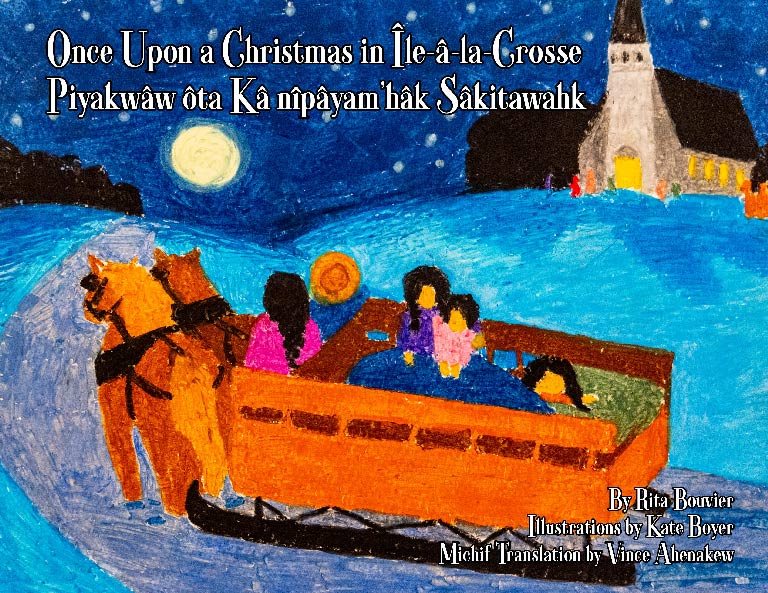
by Rita Bouvier, illustrated by Kate Boyer, Michif translation by Vince Ahenakew
From planting gardens and harvesting in the fall, to ordering dresses from catalogues to dressing up for Midnight Mass, readers journey to a time and place when community connections and relationships mattered. Vince Ahenakew provides translation in Northern Michif, the language spoken in the Île-à-la-Crosse.
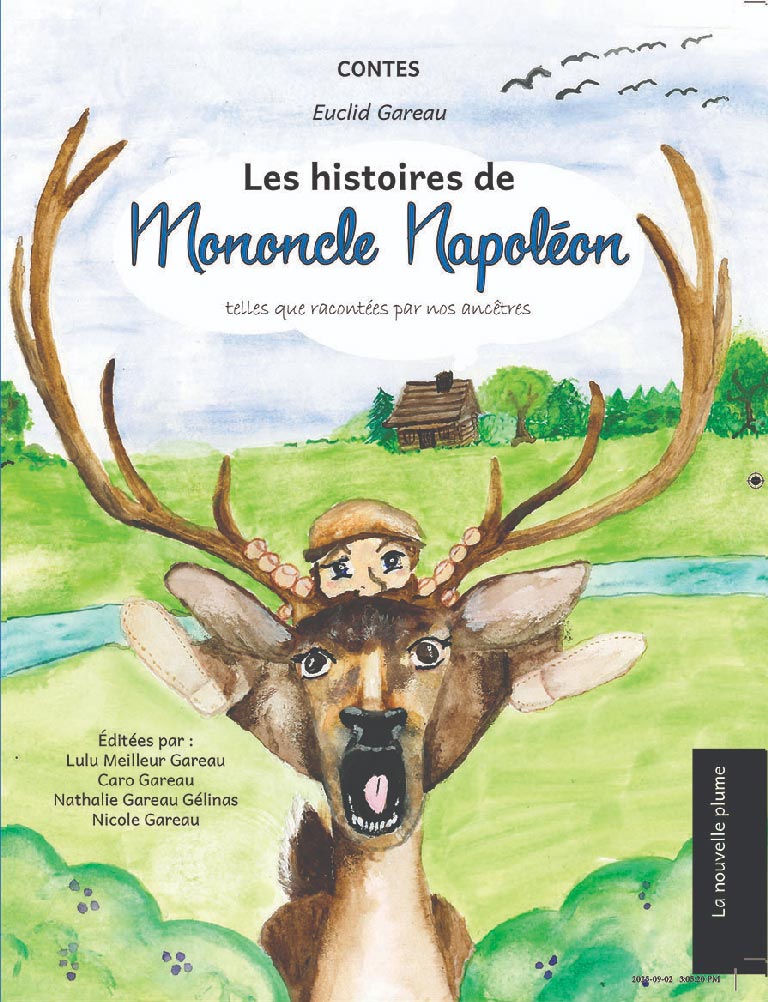
by Euclid Gareau, Lulu Meilleur Gareau, Caro Gareau and Nathalie Gareau with illustrations by Caro Gareau and Erika Jacques
Un lièvre, une cerise et un chevreuil? Des canards, des corneilles et des poissons? Premier homme sur la Lune! Pionnier de l’Ouest canadien, ce légendaire Mononcle Napoléon est-il vrai? Il vit des aventures palpitantes, à la fois réalistes et farfelues, marquées de chance, de malchance et d'ingéniosité. En français.
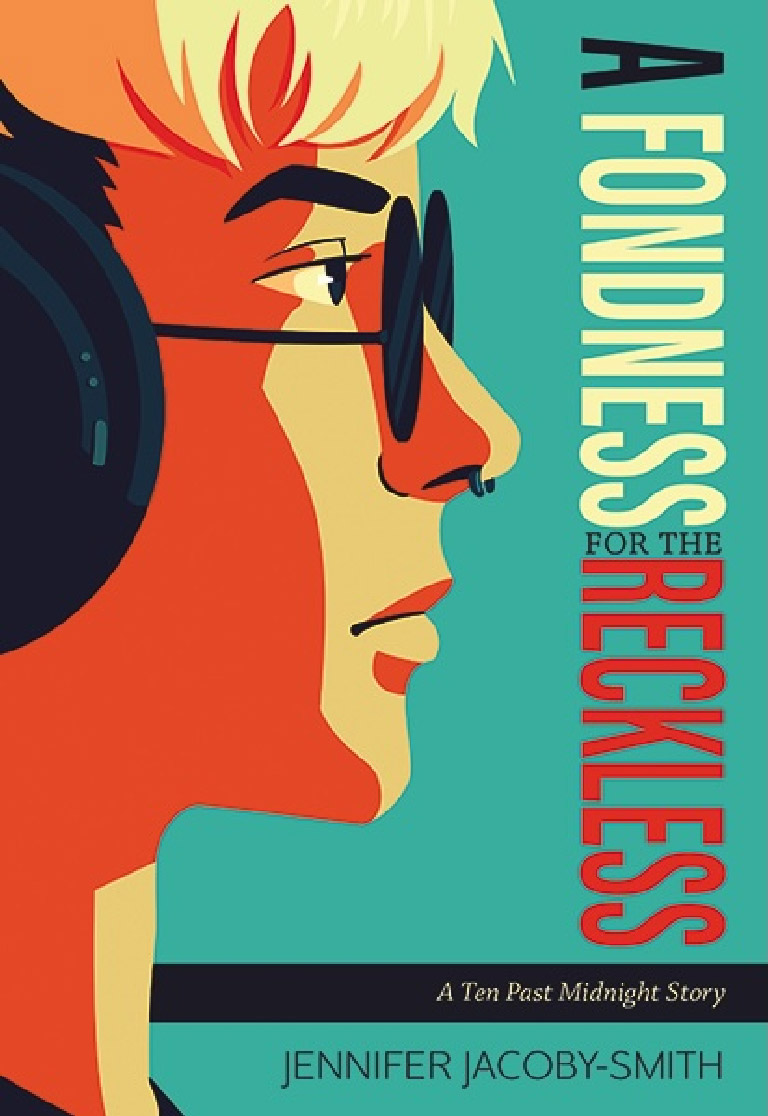
by Jennifer Jacoby-Smith
When Canadian music sensation Ten Past Midnight arrives for their first television interview, lead performer Indie is nowhere to be seen; Indie is ready to fly to LA to sign a solo deal with another label (a label owned by his pop music superstar boyfriend). While Indie questions his decision to leave on the verge of the band’s imminent success, Jaxson and his bandmates must deal with a savvy reporter scrounging for a scoop.
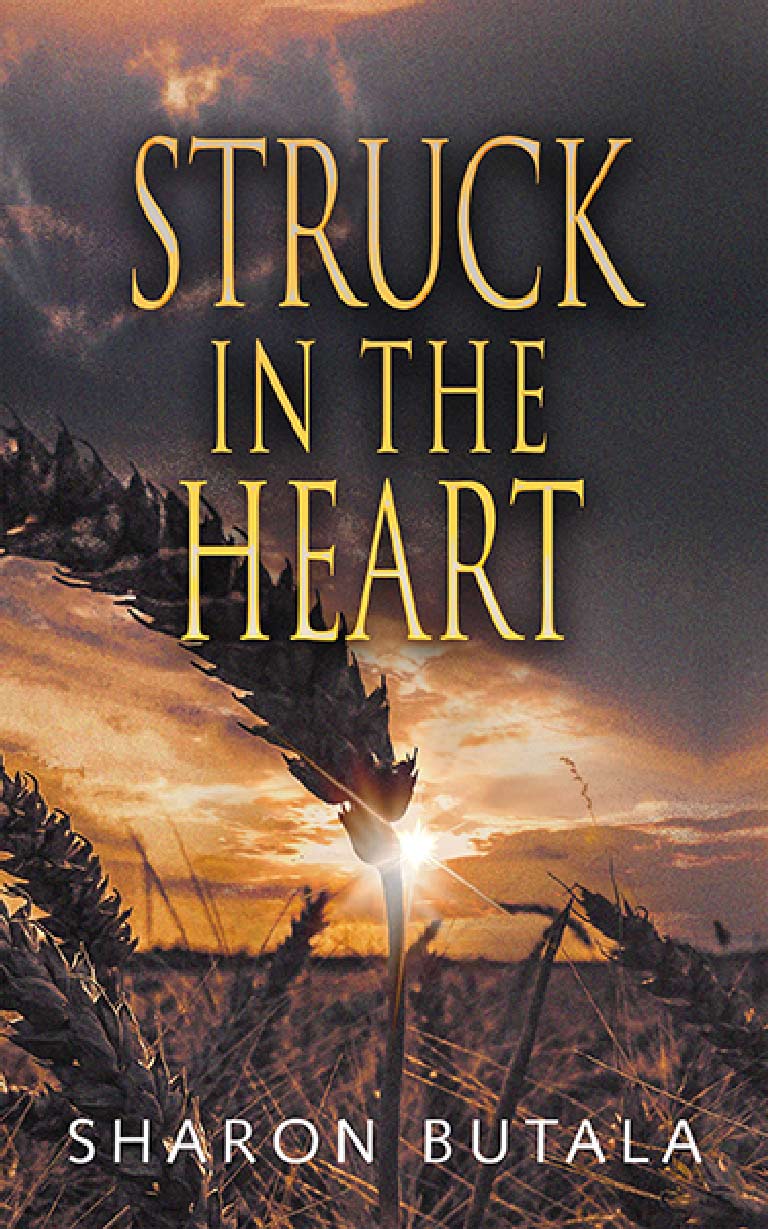
by Sharon Butala
In the grip of the pandemic, accountant Rick Phillips takes his family to the remote prairie farm where he grew up. What he hopes will be a safe haven becomes something far darker when old grudges, buried secrets and a violent intrusion shatter the fragile peace. With his parents gone, his marriage strained and ruthless men abounding, Rick must decide what he is willing to sacrifice — and bury — to protect those he loves.
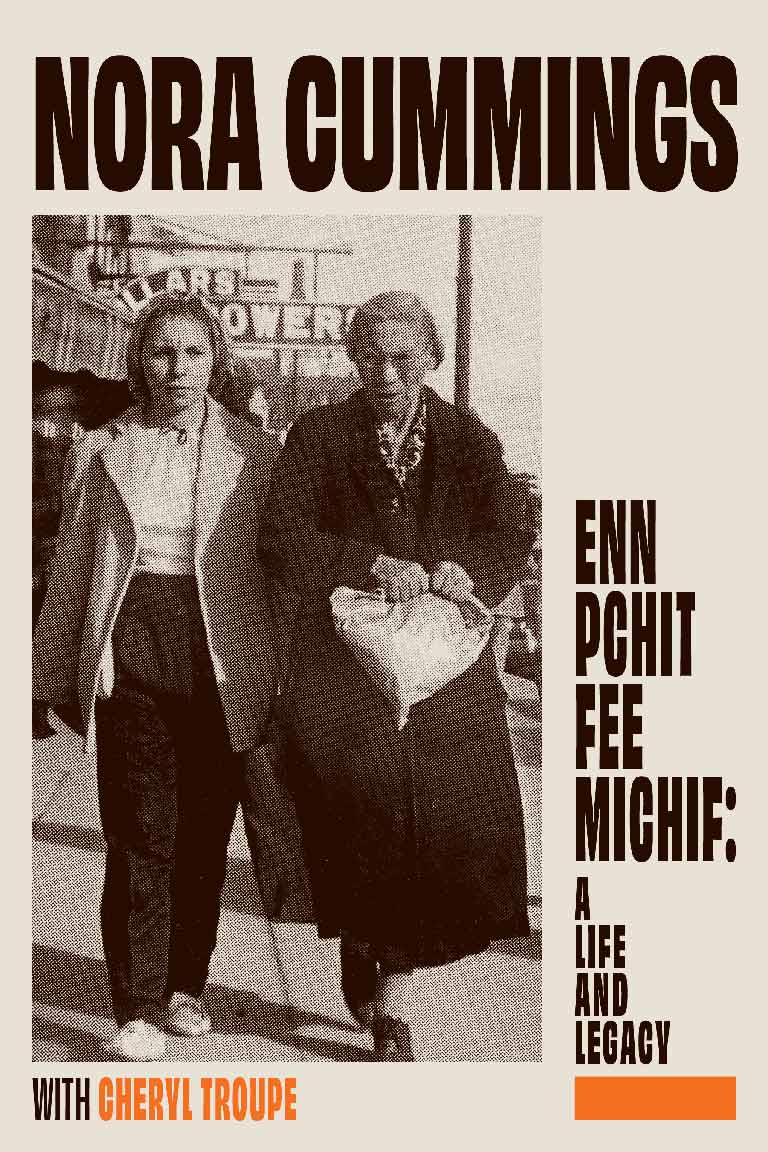
by Nora Cummings and Cheryl Troupe
Raised on a Saskatchewan road allowance, Métis activist and leader Nora Cummings credits the guiding figures in her family — particularly its matriarchs — for educating her as a “pchit fee,” even as she survived harassment from racist teachers. Raising her own family, Nora draws on the resilience, kinship and pride the li vyeu (Elders) had instilled; these values help her mobilize her urban Métis community at a time when Indigenous women’s voices were seldom heard.
by Lloyd Ratzlaff
This debut poetry collection is both lyrical and surprisingly playful. It’s about overcoming a harsh evangelical upbringing and seeking consolation from the beauty of the natural world. In these poems we meet a small, frightened boy afraid of hellfire and eternal guilt. Decades later, the man kicks free of the habit of self-excoriation.
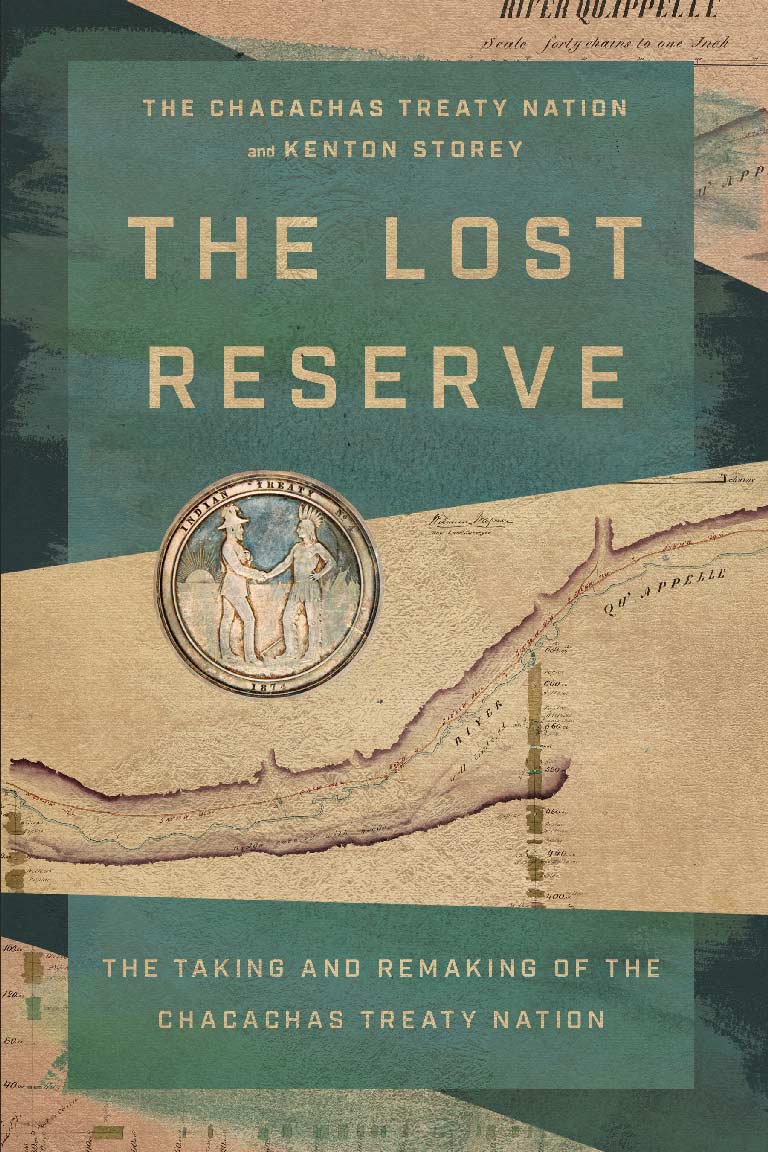
by Kenton Storey and the Chacachas Treaty Nation
In 1874, Chief Chacachas signed Treaty 4, securing reserve lands for his people. Only seven years later, Chacachas' members were forcibly displaced onto a joint reserve. Their struggle to reclaim stolen lands eventually led to a decades-long court case culminating in a 2020 judgment that affirmed the continued existence of the Chacachas Treaty Nation. The Lost Reserve is both a history and a reclamation — a Nation telling their own story of resistance all too familiar to Indigenous people everywhere.
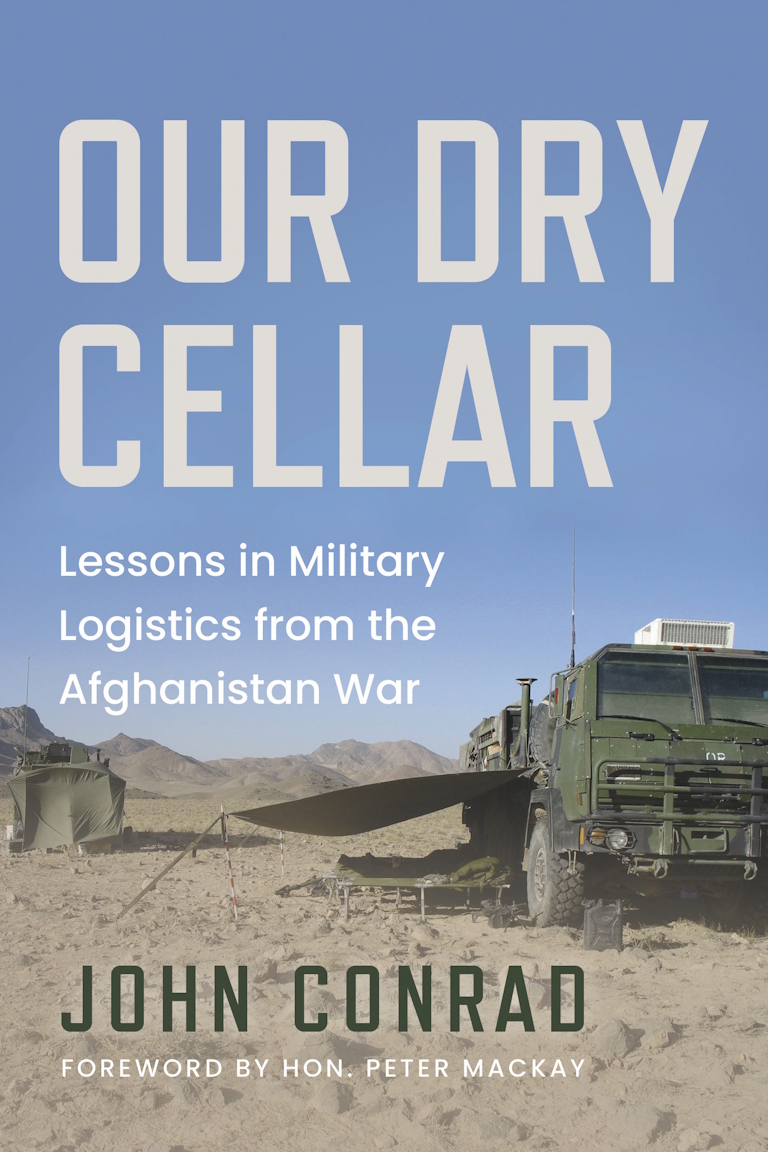
by John Conrad
Our Dry Cellar spotlights military logisticians who sustained Canadian Forces through endless, gruelling days in Afghanistan, arguing for strengthening logistics in the Canadian military. John Conrad makes a case for fortifying the logistics underpinnings of the Canadian Armed Forces, unlocks sustainment secrets of the small but gritty Canadian Army and gives human faces to the service and sacrifice of the revered art of battlefield logistics.
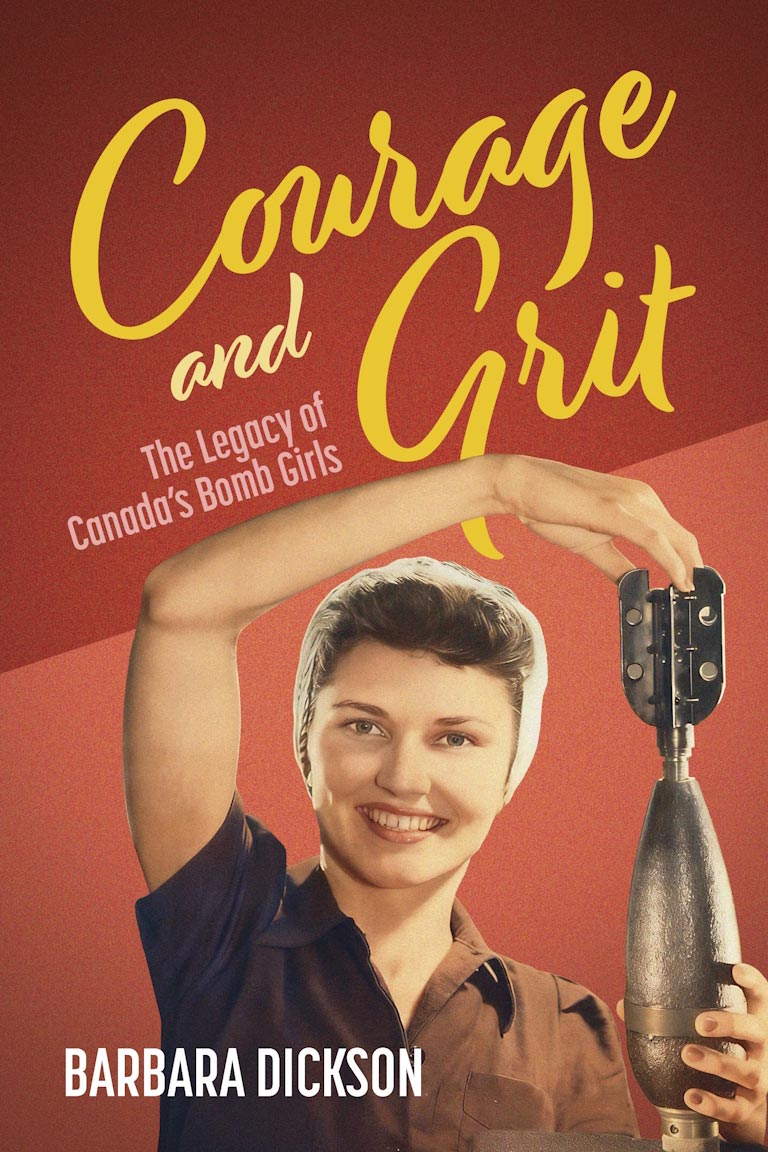
by Barbara Dickson
Discover the true stories of the bomb girls: courageous women who hailed from every corner of society — from farmers’ daughters to lawyers, from impoverished immigrants to Rosedale elites, from high school students to great-grandmothers. These never-before-told stories of faith, love and sacrifice offer a culturally rich history of the women who served at home during the Second World War.
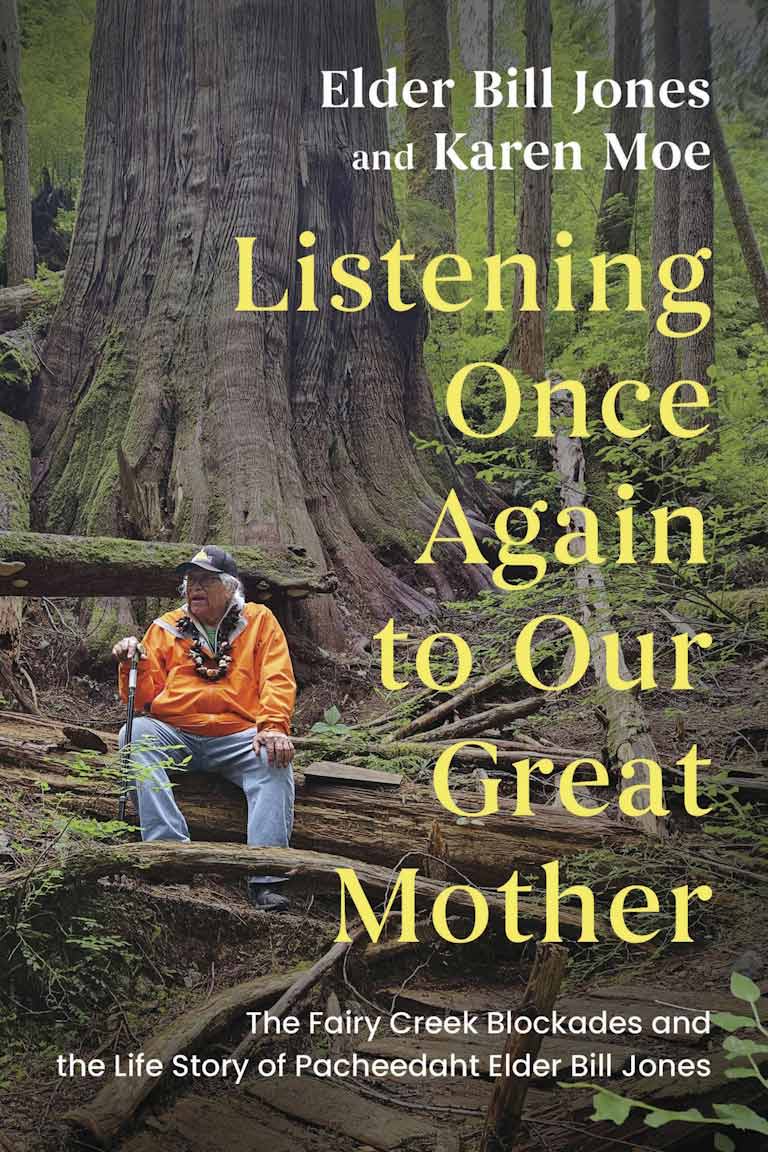
by Elder Bill Jones and Karen Moe
Weaving together the stories of Pacheedaht Elder Bill’s personal life and those of his ancestors with Elder teachings, settler feminism and the story of the Fairy Creek Blockades — which were protests of logging of old growth forests in Port Renfrew, B.C. — Listening Once Again to Our Great Mother shares wisdom that will inspire readers to reach their own self-awakening, now and for generations to come.
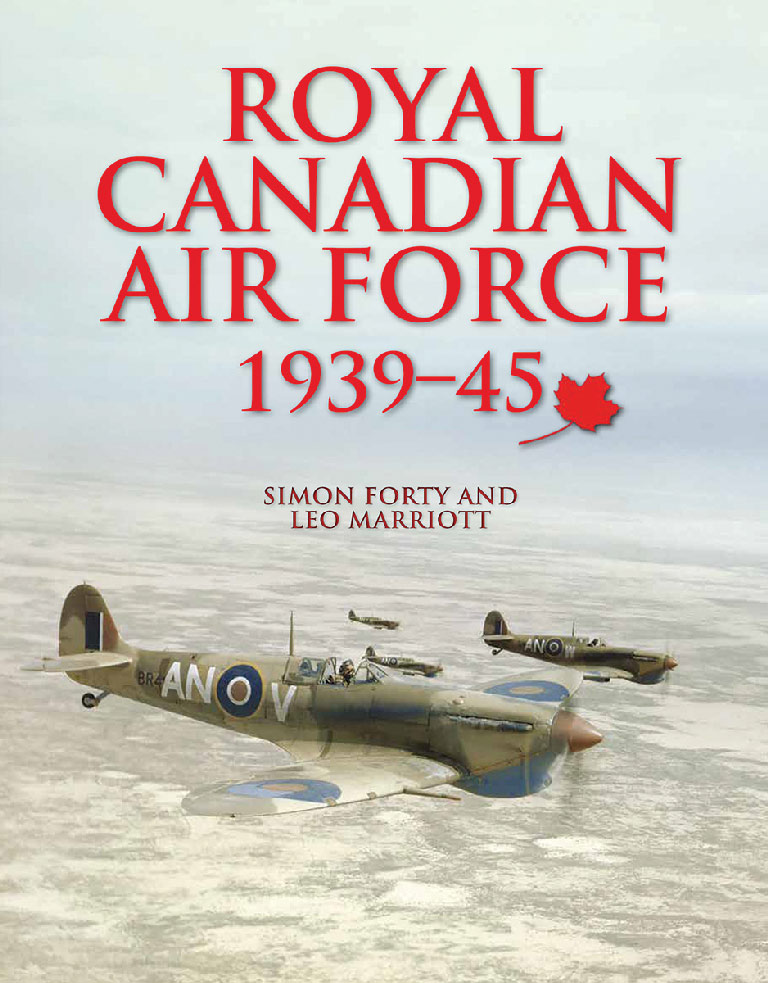
by Simon Forty and Leo Marriott
Royal Canadian Air Force: 1939–45 by Simon Forty and Leo Marriott chronicles the RCAF’s transformation during the Second World War. It details how a force of 4,000 personnel grew into the world’s fourth-largest air force by 1945, with 250,000 members and 75 squadrons. This hardcover blends historical text with hundreds of period photos, maps of global fronts and modern images of battlefields. It is an essential pictorial history for military enthusiasts.
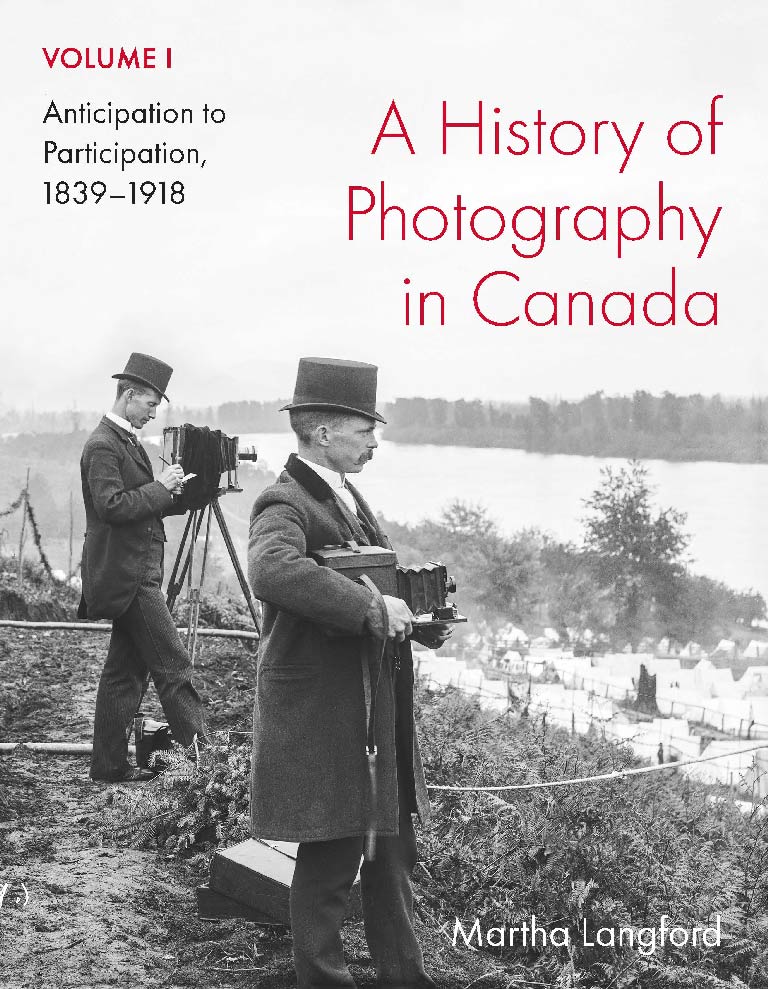
by Martha Langford
From early reports of the invention to its wide application during the First World War, photography created anticipation and participation in the modern world. The first volume of A History of Photography in Canada rewrites the history of photography from the bottom up, vividly expanding the definition of photographic experience.
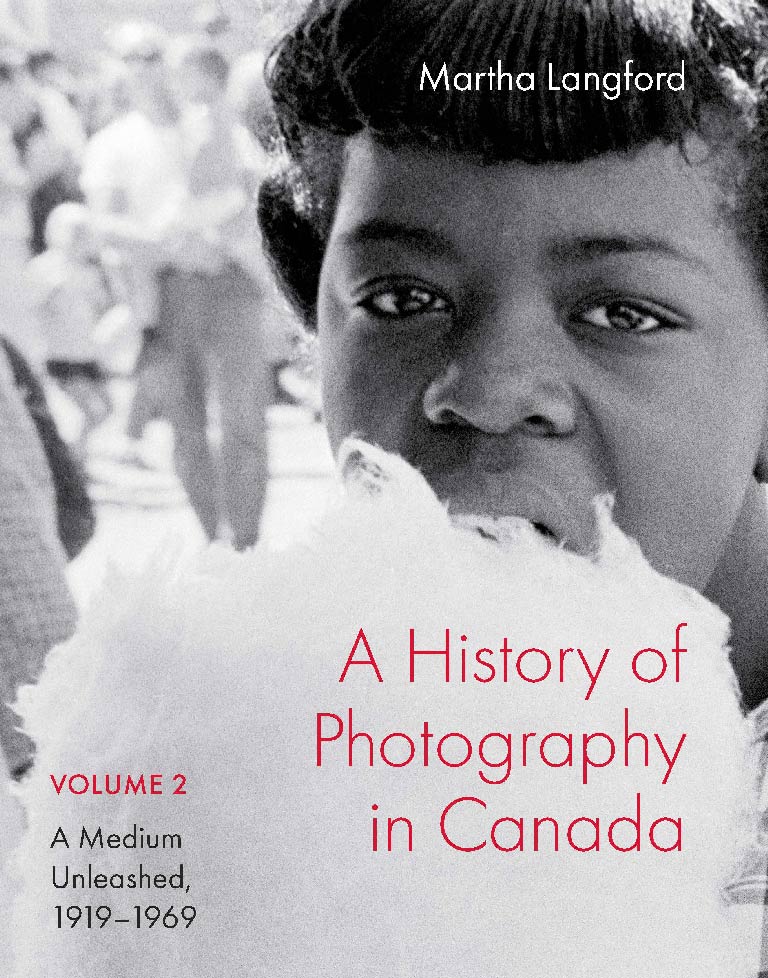
by Martha Langford
By the early 20th century photography had emerged as a ubiquitous medium with deep cultural, social and political force. The second volume of A History of Photography in Canada shows how photography moved beyond recording events to actively shaping them, transforming how Canadians imagined themselves and their country.
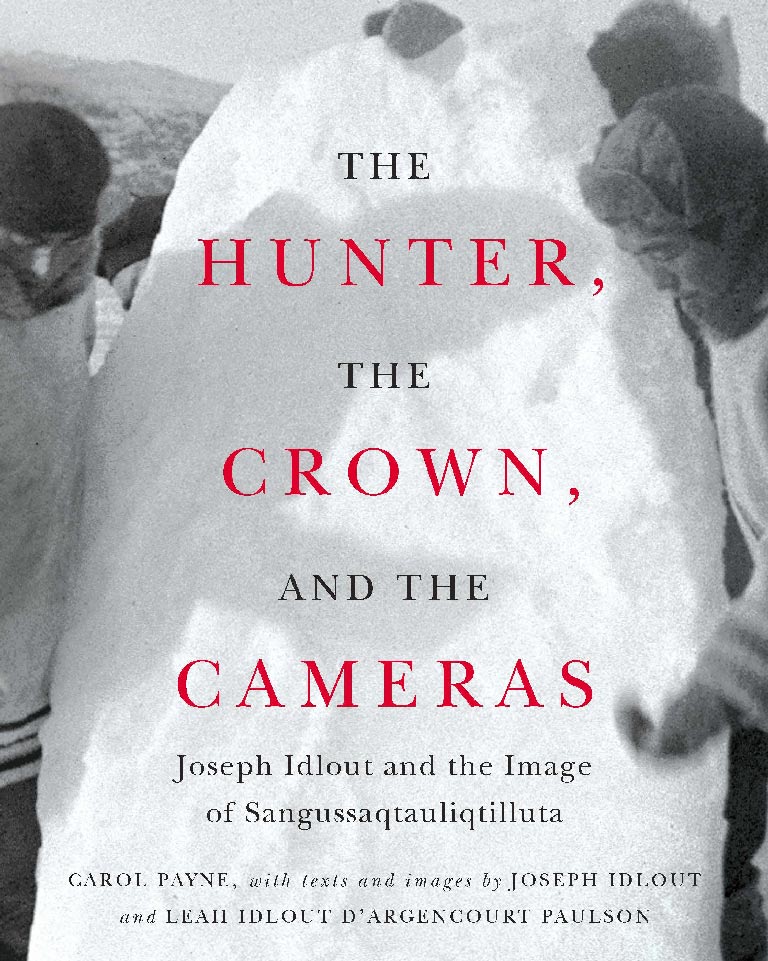
by Carol Payne
Through photographs and Inuit memory, The Hunter, the Crown, and the Cameras traces the entangled histories of Inuit and settlers in the Qikiqtani region during the 1950s and into the 1960s. Joseph Idlout’s work serves as a guide to a period of cultural encounter and the role of photography and film in understanding or misunderstanding Inuit life.
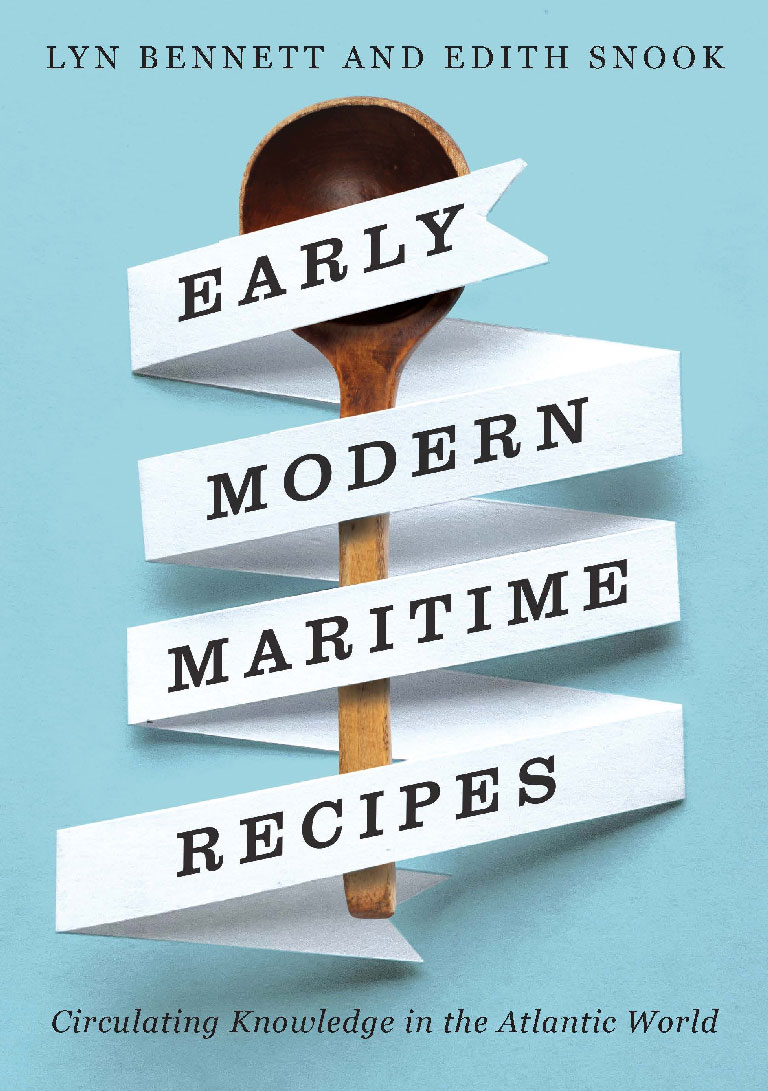
by Lyn Bennett and Edith Snook
Describing how to pickle beef, make a low-cost substitution for sugar or treat kidney stones, 18th-century settler recipes recorded a wide range of processes essential to daily life. Early Modern Maritime Recipes offers a compendium of culinary, medicinal and domestic recipes from before 1800 that point to the many ways knowledge was preserved and circulated in the Atlantic world.
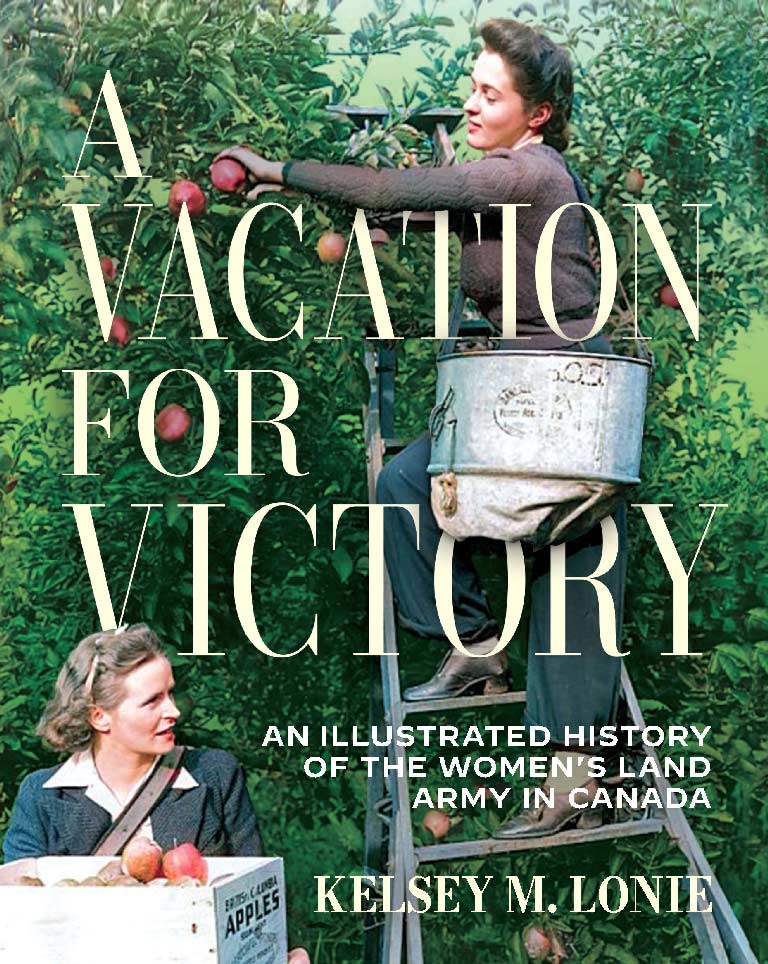
by Kelsey M. Lonie
Serving not in uniforms or factories but in orchards, fields and farms, the women and girls of Canada’s Women’s Land Army planted, picked, and packed food that sustained the nation while men fought overseas. A Vacation for Victory brings this fascinating Second World War history to life. Richly illustrated, it offers powerful accounts of grit, inequity and resilience.
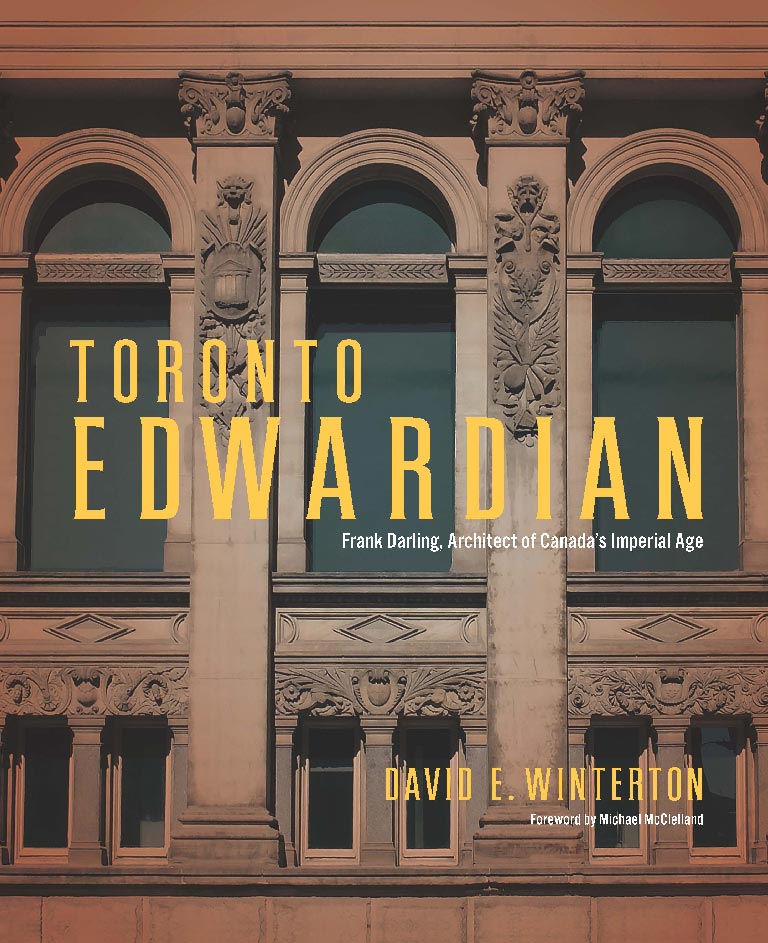
by David E. Winterton
Frank Darling was the first Canadian architect with a truly national presence, with built projects in every province and more than 360 known buildings. Toronto Edwardian richly illustrates the breadth of Darling’s architectural creation and articulates the Edwardian period’s importance to Canadian architecture. It features new and previously unpublished photographs that provide a visual record of Darling’s unique style.
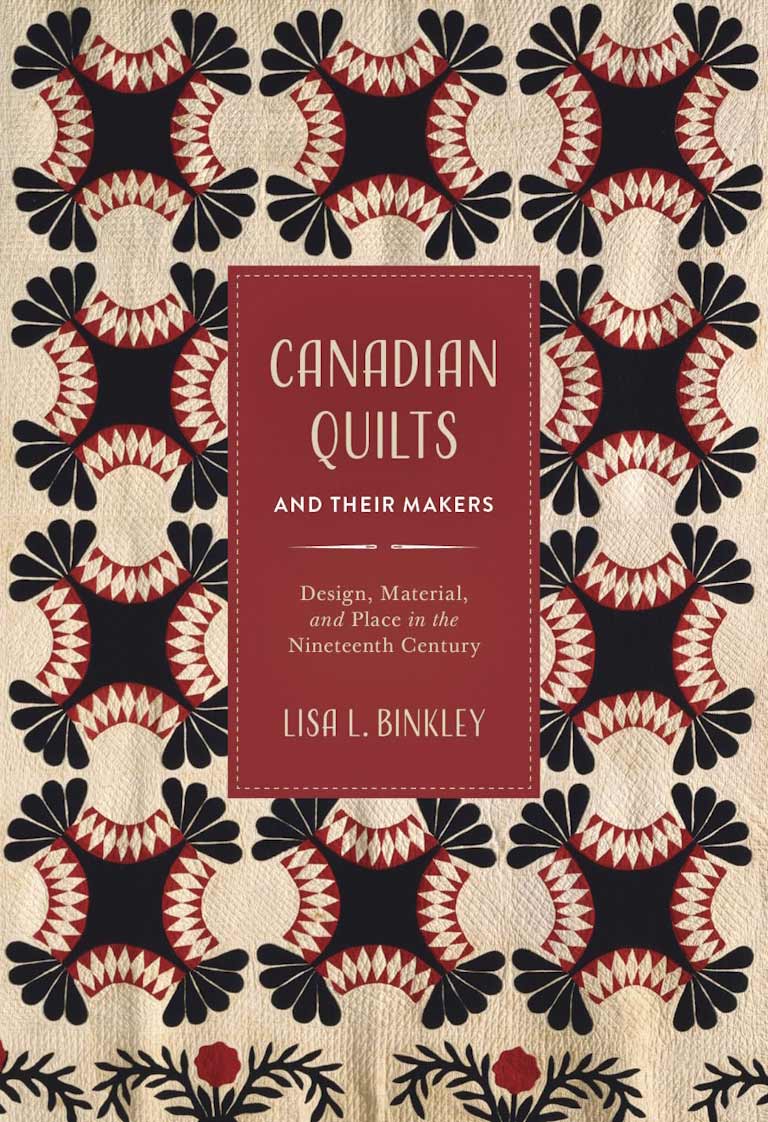
by Lisa L. Binkley
Through an exploration of six distinctive styles (homespun-utilitarian, embroidered, wholecloth, appliqué, decorative-utilitarian and crazy), Canadian Quilts and Their Makers shows how 19th-century quilts reflected the experiences of the women who made them. Despite social constrictions, they created and exchanged quilts that reveal fascinating, nuanced ideas about necessity, colour, design and even the political environment.
by Patricia I. McMahon and Robert Bothwell
“A gripping read which casts new light on a little-known but important story from the Second World War and in Canada’s history.” — Margaret MacMillan
In the Shadow of the Manhattan Project tells the remarkable story of how wartime secrecy surrounding a Canadian company’s role in developing the atomic bomb led to fraud, environmental contamination and decades of delayed justice.
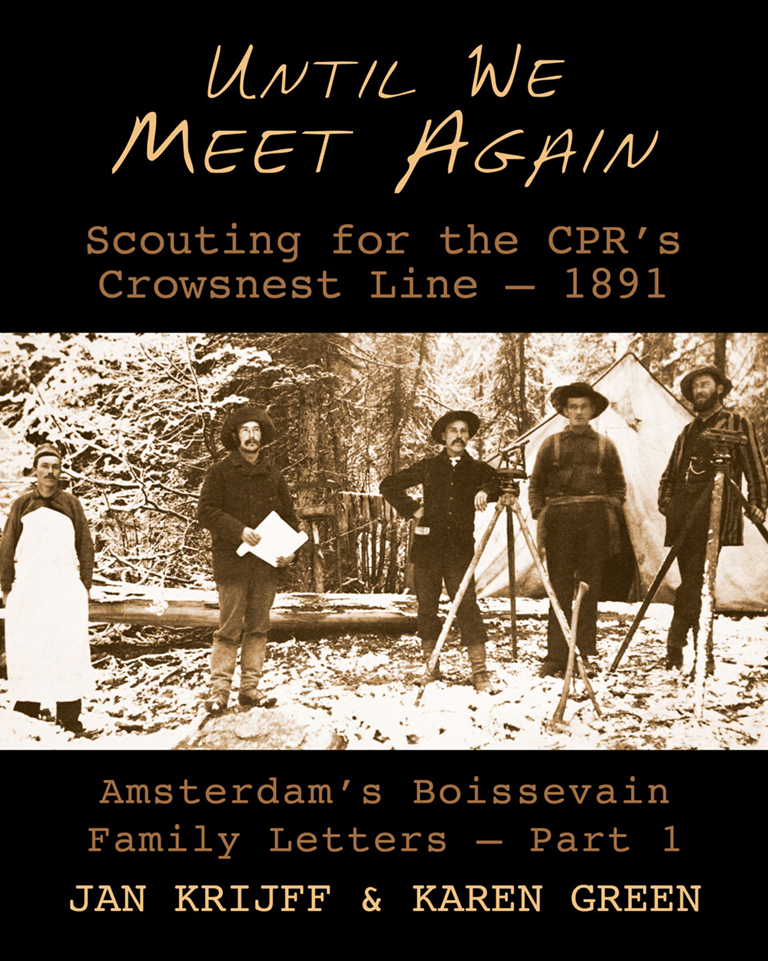
by Jan Krijff and Karen Green
A fascinating and insightful look into a Dutch perspective of life in early Alberta history. The authors have found rare treasures in these letters, painting an authentic picture of a newcomer’s experience as he or she explores the pioneer West; they also provide captivating facts about a CPR survey project.
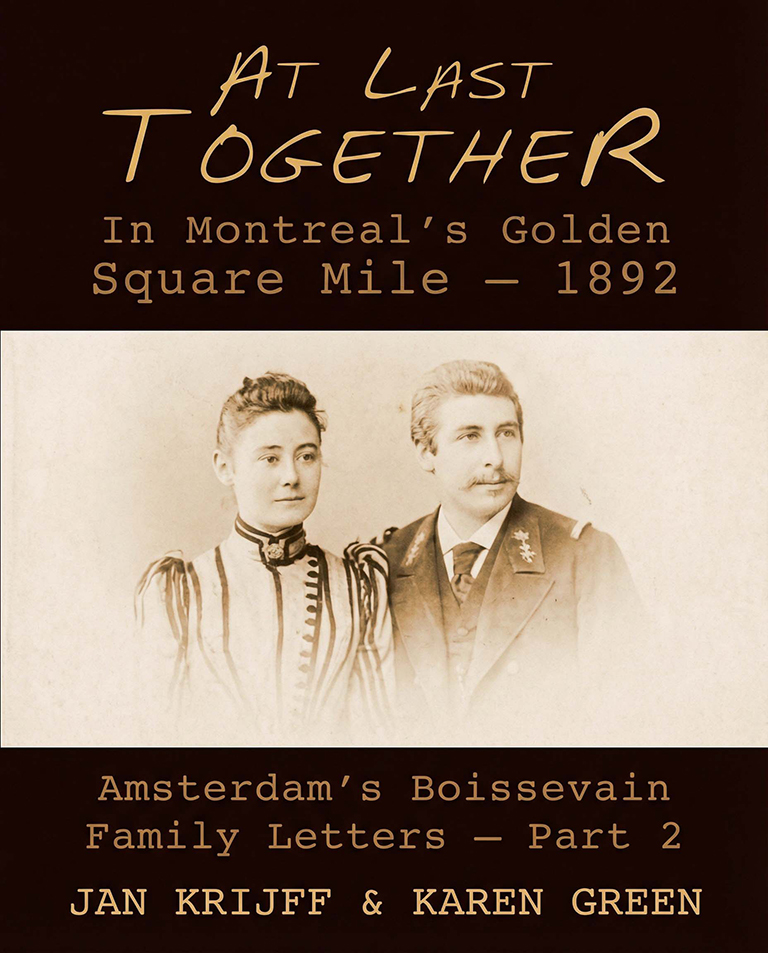
by Jan Krijff and Karen Green
This sequel to Until We Meet Again: Scouting for the CPR’s Crowsnest Line-1891 centres Karel Boissevain’s wedding to Willemina (Wil) de Vos, witnessed by their parents in Montreal. This intimate chronicle illuminates a broader period of Canadian history, including their offsprings’ bravery and sacrifices in the Second World War.

The 2026 Great Canadian Gift Guide is brought to you by publishers from across Canada.
Advertisement