Your history. Your inbox.
7 uniquely curated newsletters to choose from.


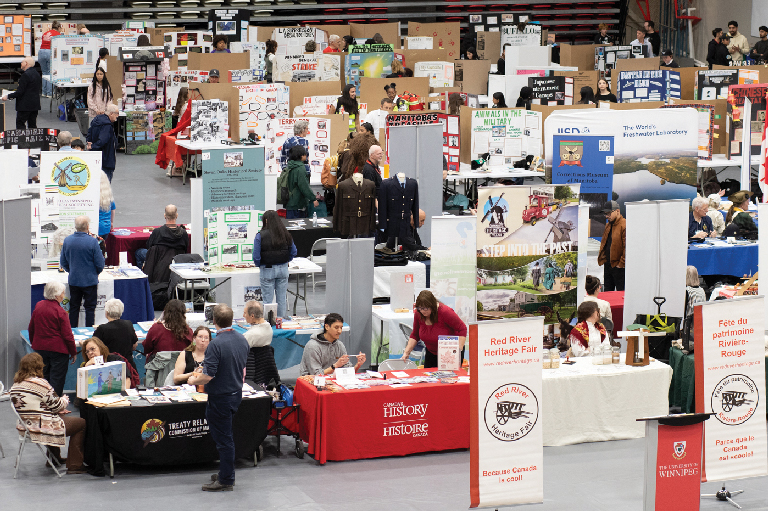
Students across the country delved into Canada’s past by asking insightful questions, uncovering evidence and analyzing primary sources. Their work was part of the Heritage Fair program, a national initiative to enhance history education through inquiry-based learning, now in its 33rd year. Countrywide, students develop their own history projects through regional and provincial or territorial school fairs, where they present their research to peers, community members and judges. By taking the lead in investigating topics that interest them, students gain hands-on experience with historical research while learning to consider the past from multiple perspectives.
In 2026, more than 37,000 students participated, all exploring a topic of their choice and later presenting the work through a local Heritage Fair. From investigations into family histories and local landmarks to explorations of Canada’s most influential figures and defining events, students demonstrated the many ways history connects to our lives today.
Of the thousands of projects presented across the country, 94 were selected for the national showcase, where their historical research projects are featured online.
The three projects by the students featured here stood out for their exceptional research and storytelling. In addition to receiving national recognition for their accomplishments, the winners have been invited to this year’s Governor General’s History Awards and have been awarded $500 toward a registered education savings plan.
Above all, Heritage Fairs celebrate Canada’s diverse history. “It was a very positive community event,” says Maggie Leary, the coordinator of the Yukon/ Stikine Regional Heritage Fair. “More and more people are seeing the importance and contribution these students are making to Canadian heritage.”

With 7 uniquely curated newsletters to choose from, we have something for everyone.
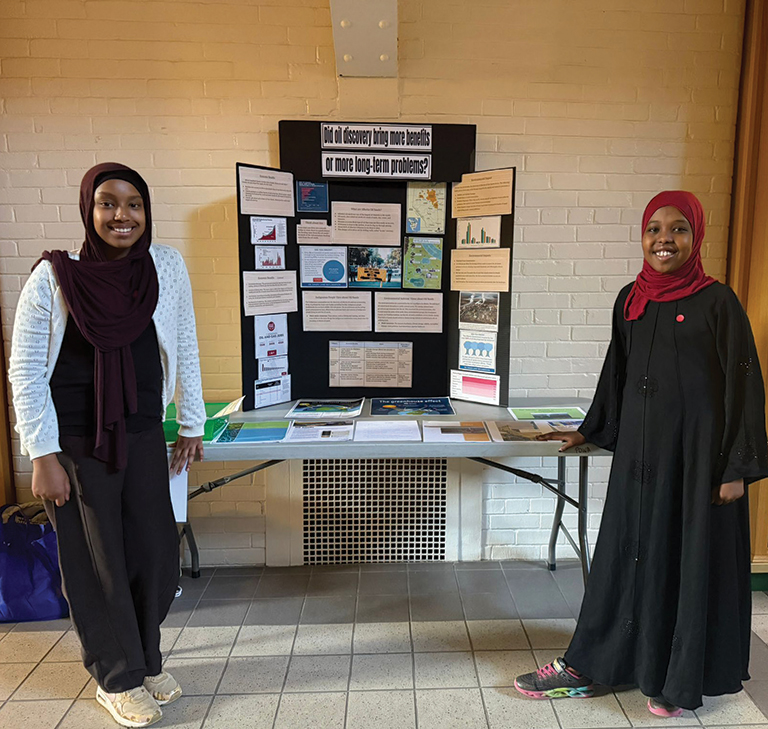
Sanaa and Mumtaz opened their project with one question: “Did the oil discovery bring more benefits or more long-term problems?” The duo researched the history of oil and the impact of the industry across Canada before considering the perspectives of various stakeholders. Their work shows that the story of Alberta’s oil industry is not only an important provincial history but also one that continues to impact all Canadians. As Mumtaz explains, “This project helped me realize how important oilsands are to the growth and development of our province and how it has shaped many parts of our daily lives. It also gave us knowledge about the harmful effects of oilsands to the en vironment, which I didn’t know before.”
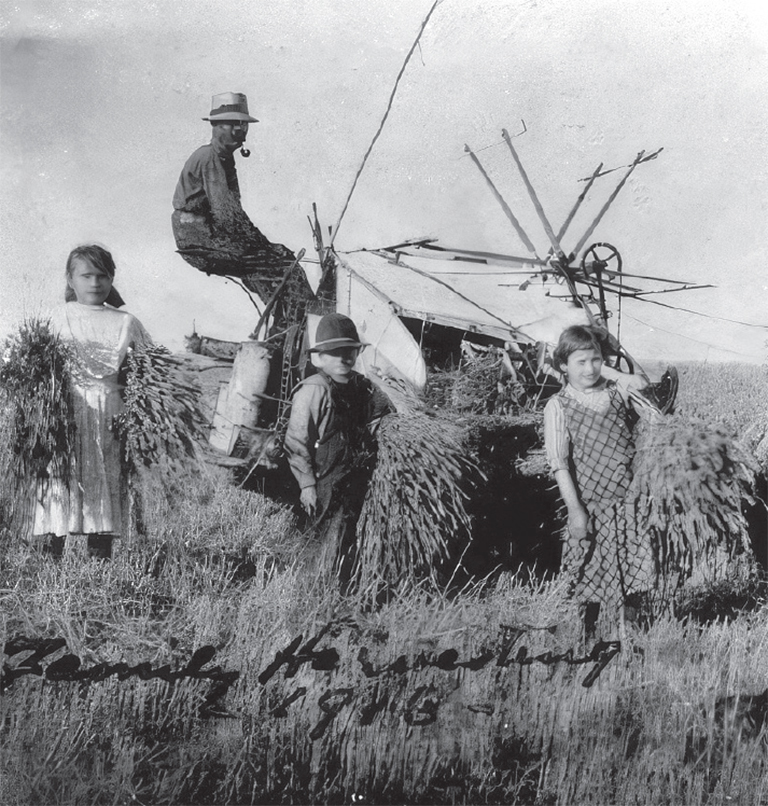
Ukrainian immigrant Sviatoslav chose a topic close to home: how Ukrainian populations settled in Canada. Using local histories and agricultural studies, he found that the populations were drawn by the promise of land and brought with them essential knowledge that helped develop grain-farming practices in our country. In his research, Sviatoslav considered how Ukrainian settlement affected Indigenous communities by examining treaties, traditional land-use practices and interactions between Indigenous Peoples and newcomers. “This approach allowed me to view the topic from multiple perspectives and appreciate the complexity of Canadian history,” he says.
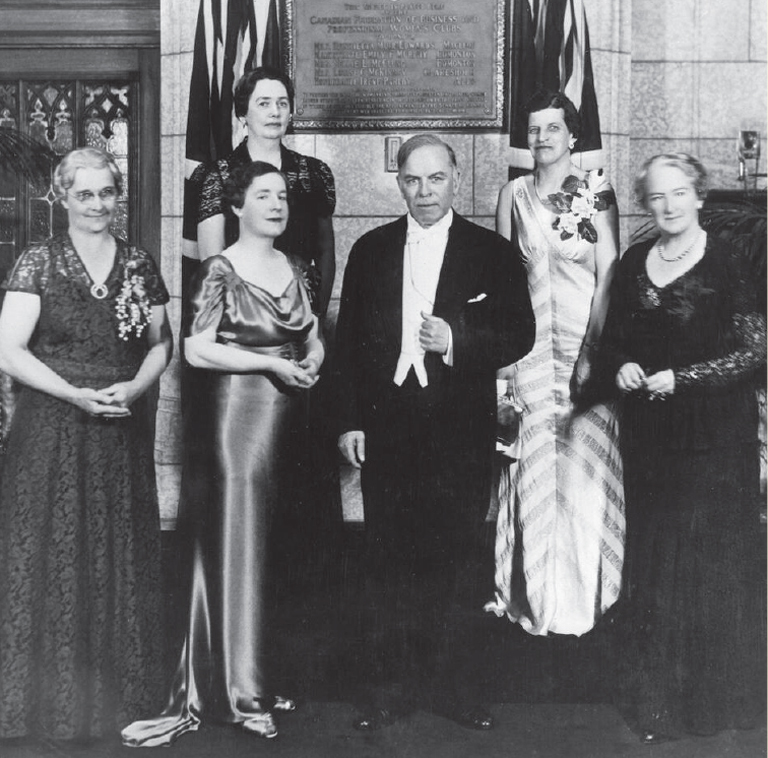
A story from Kaiya’s mother about her great-grandmother’s struggle to be fairly compensated at work led Kaiya to investigate the history of women’s right to pay equity in Canada. Her study followed the progression of women’s rights and the legislation that shaped them, beginning with the 1929 Persons Case and continuing to the present. She learned that efforts for pay equity have their roots in work that continues today, including the endeavours of such women as the Famous Five. Kaiya, who gathered family testimonies and integrated first-hand accounts of women who were affected by these changes, says, “We need to keep going until we make just as much as men.”
Advertisement