Your history. Your inbox.
7 uniquely curated newsletters to choose from.


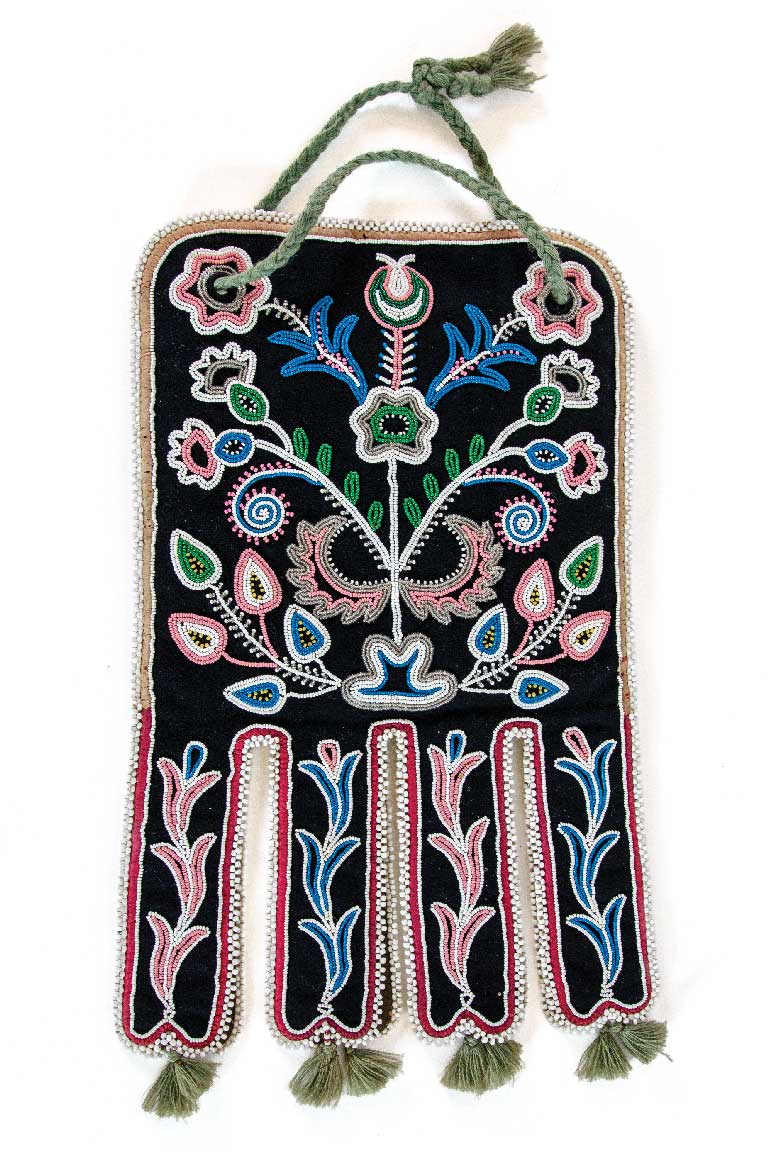
This intricately beaded creation is known as an octopus bag, a name suspected to have come from the Tlingit of the Pacific Northwest Coast during the early 19th century because of the eight tabs that dangle from the bottom. Prior to this popular name change, however, they were simply fire bags, as they were made to carry fire-making tools.
Inspired by ceremonial Anishinaabe otter-skin bags, the octopus bag became a staple of Métis creative expression and eventually gained popularity among the Anishinaabe and the Cree, as evidenced by this mid-19th-century version. Collected by HBC worker James L. Cotter, possibly during his decade-long factorship in Moose Factory in northern Ontario near James Bay, this bag is likely the work of an incredibly skilled Omushkego Cree woman. Today, her work and the work of the Mushkegowuk Cree continue to inspire all.
Advertisement